You have not yet added any article to your bookmarks!
Join 10k+ people to get notified about new posts, news and tips.
Do not worry we don't spam!
Post by : Shakul
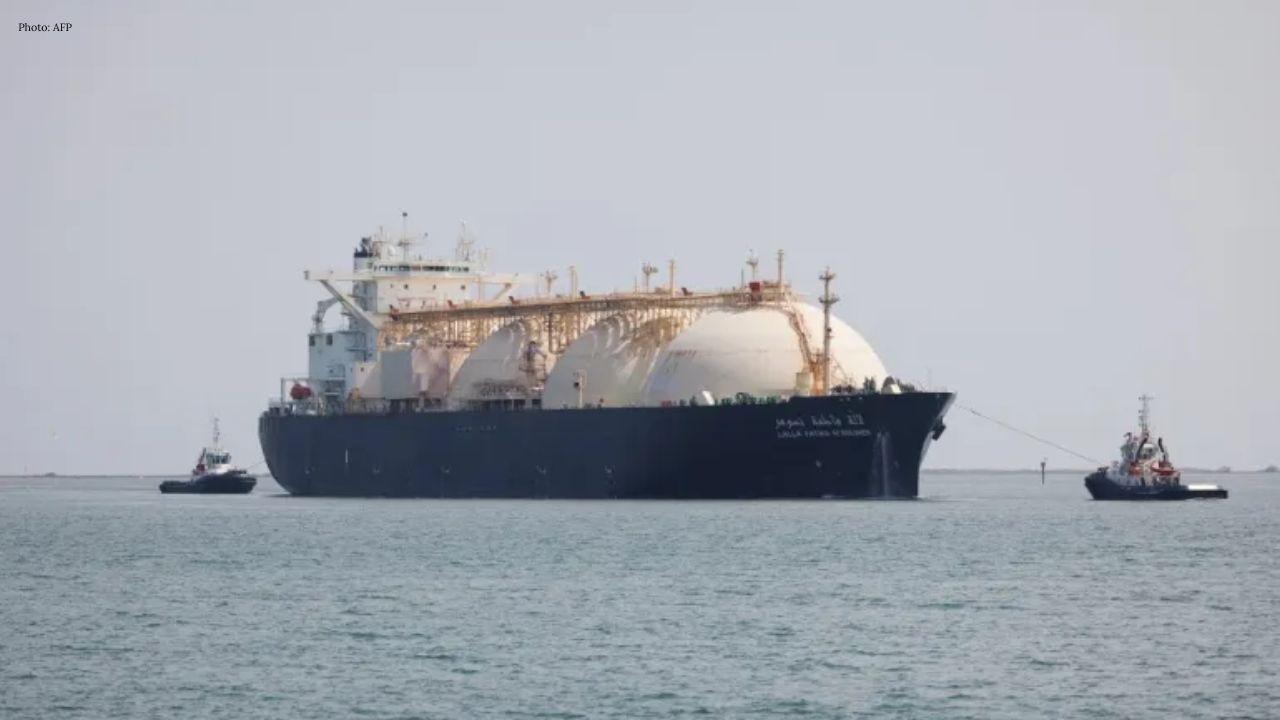
Global buyers of liquefied natural gas (LNG) are scrambling to secure supplies from the United States after a major disruption in Qatar’s production due to the ongoing Iran-linked conflict.
Asian and European importers, including countries like Japan and Germany, are in talks with US energy firms to secure short-term LNG shipments as global supply tightens. The urgency comes after attacks and disruptions forced a shutdown affecting Qatar’s Ras Laffan facility — one of the world’s largest LNG hubs — knocking out nearly 20 percent of global supply.
The supply shock has significantly tightened the global LNG market, sending spot prices soaring. Industry estimates indicate that LNG prices have nearly doubled since the conflict escalated, putting immense pressure on importing nations.
The United States, currently the world’s largest LNG exporter with over 116 million metric tons of annual output, has emerged as a key alternative supplier. However, most US export facilities are already operating at near full capacity, and a large portion of production is tied to long-term contracts.
Major exporters like Cheniere Energy and Venture Global are attempting to increase output by optimizing operations and accelerating project timelines. Some new export terminals are expected to begin supplying additional cargoes later this year, offering limited relief to the strained market.
The disruption is also linked to tensions in the Strait of Hormuz, a critical global energy transit route, where partial closures have severely affected Middle Eastern exports. This has left global buyers with fewer options and intensified competition between regions.
Experts warn that emerging economies such as India and Bangladesh could be hit hardest, as wealthier nations outbid them in securing limited LNG supplies. Japan, for instance, holds only about three weeks of gas reserves, making consistent supply flows crucial.
The situation highlights growing risks in global energy dependence and the vulnerability of supply chains to geopolitical conflicts. Analysts suggest that the crisis may lead to long-term shifts in energy sourcing, with the US gaining a stronger foothold in the LNG market.
As the conflict continues, energy markets remain volatile, and countries worldwide are racing to secure fuel supplies to avoid potential shortages and economic disruption.








Danaher to Launch AI-Powered Autonomous Research Lab in 2027
Danaher plans an AI research lab for 2027, combining robotics and automation to speed up drug discov

Musk Welcomes German Support for Tesla Driver Assistance Tech as EU Approval Push Continues
Elon Musk welcomes Germany's backing for Tesla FSD as the company seeks EU approval amid speed, safe

Microsoft and Nvidia CEOs to Unveil AI Laptop at San Francisco Event
Microsoft and Nvidia showcase a new AI laptop with RTX Spark chips as they push powerful local AI co

Man to face charges over perfume thefts at Changi Airport
A 47-year-old man faces charges over perfume theft at Changi Airport after six items worth nearly S$

Google Signs 3.6-GW Power Deal With Constellation Energy in US
Google signs a 3.6-GW power deal with Constellation Energy, including nuclear power upgrades to supp

Harmanpreet Kaur Steps Down as India Captain Across All Formats
Harmanpreet Kaur steps down as India captain across all formats after a remarkable leadership journe