You have not yet added any article to your bookmarks!
Join 10k+ people to get notified about new posts, news and tips.
Do not worry we don't spam!
Post by : Mikael Ariff
Folk music is far more than melodies and instruments—it is a communal memory, an audible record of feelings and experience passed down through generations. From regional gatherings to large cultural festivals, these songs carry history, belief and everyday life in forms that bind communities to their past.
At its core, folk music emerges from ordinary lives. It is transmitted orally and through practice rather than formal notation. These songs narrate the routines and rites of daily living—fields, families, courtship and celebration.
Unlike commercially produced tracks that rely on studios and production, folk music usually develops within communities. It is sung in fields, on journeys and at home during ceremonies. Each melody bears the imprint of local experience and shared memory.
The appeal of folk music lies in its authenticity. It requires no elaborate technology; its power comes from genuine expression—joy, grief, longing and resilience. Whether voiced on Rajasthan’s plains, Ireland’s meadows, or African savannahs, folk music seeks to connect people across place and time.
Long before mass media, song was a principal means of storytelling. Communities sang about weather, harvests, triumphs and losses—music served as both record and comfort. Folk traditions began as integral parts of everyday life, learned by ear and shared among neighbours.
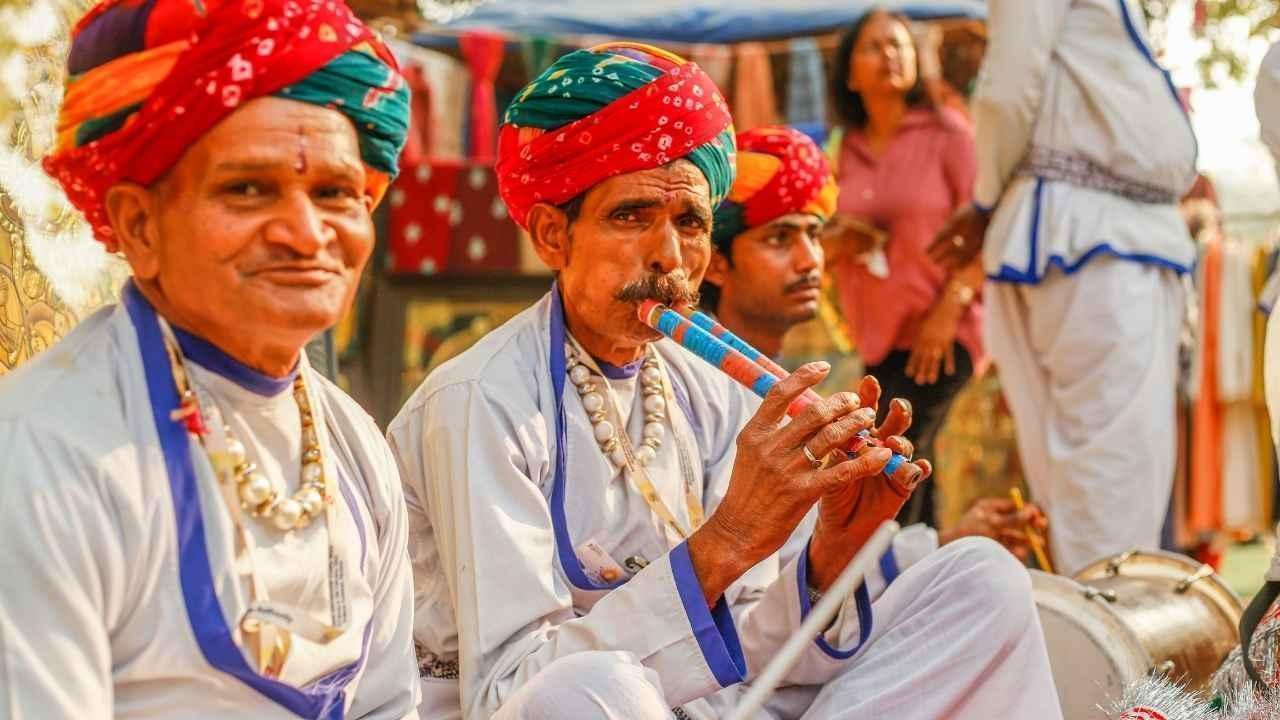
Each region developed distinct folk idioms. In India, Bengal’s Baul and Rajasthan’s Manganiyar traditions carry spiritual and social narratives. Ireland’s tunes favour winds and strings to evoke landscape and memory. In America, the blues, country and bluegrass arose from workers and settlers recounting hardship and aspiration.
Over time, these musical forms also became markers of identity, helping people preserve a sense of continuity amid social change.
The textures of folk music often come from handcrafted instruments made from natural materials. Each instrument contributes a distinct voice to regional repertoires.
Flute and Bansuri: Their gentle timbres are central to many Indian and European folk traditions.
Guitar and Banjo: Staples of American folk, providing melodic support and rhythmic drive.
Sitar and Tabla: These lend Indian folk songs a layered tonal and percussive depth.
Drums and Dhol: Percussive instruments that animate celebrations across Africa and Asia.
Oud and Darbuka: Central to Middle Eastern traditions, conveying lyrical and spiritual expression.
Every instrument carries its own lineage—handmade, taught within families and communities, and played with emotive intent.
Folk music resonates because of its messages. Songs reflect human concerns—nature, love, freedom and solidarity. In joyful moments, they strengthen bonds; in hardship, they offer solace and protest.
Historically, folk songs have voiced resistance and rallied communities during social upheaval. At other times, they celebrate daily life and shared values. Across contexts, these songs capture the lived experience of ordinary people.
Every culture expresses folk music differently, each tradition shaped by local rhythms, instruments and stories.
India: From the lively steps of Bhangra to the introspective Baul songs, Indian folk reflects vast regional variety.
Ireland: Irish folk is often plaintive and melodic, using fiddles and flutes to evoke rural life.
Africa: African folk emphasizes percussion, communal singing and dance, celebrating collective identity.
Middle East: Arabic folk expresses subtleties of love and faith through poetic lyrics and instruments like the oud.
America: American folk grew from migrant and working-class voices, shaping genres that tell stories of labour and aspiration.
Each regional form preserves cultural memory and communicates local values through sound.
Despite the dominance of pop and electronic genres, folk music remains vibrant. Many artists blend traditional forms with contemporary styles—pop, rock and jazz—creating hybrids that resonate with younger audiences.
Events like the Rajasthan International Folk Festival and Folk Alliance International continue to sustain these traditions. Digital platforms also allow folk performers to reach global listeners, ensuring wider appreciation and exchange.
Modern adaptations show that folk traditions are not relics but evolving practices that speak to current generations.
In an era of produced and perfected sound, folk music is a reminder of authenticity. It foregrounds emotion, community and identity rather than commercial success.
By keeping ancestral stories alive, folk music sustains cultural continuity and teaches the value of simplicity. A plain tune or a steady drumbeat can convey more about human experience than elaborate production techniques.
Folk music remains the voice of lived life—rooted in the past yet continuously renewed. As long as stories are told and feelings shared, these songs will endure, carrying messages of hope, belonging and resilience.
Disclaimer
The information in this article is provided for general knowledge and educational purposes. It is not a substitute for professional guidance in music education or cultural scholarship. Readers should consult accredited sources or specialists for detailed study or practice in folk music.










George Russell Wins Dutch GP Sprint, Boosts Mercedes Morale
George Russell wins the Dutch GP Sprint from pole as Mercedes teammate Kimi Antonelli extends his F1

Australia 50/3 After Bangladesh Bowled Out for 64 in Second Test
Australia reached 50/3 after Bangladesh were bowled out for 64 in the second Test, with Mitchell Sta

Jordan Burroughs Returns to Wrestling with 2028 Olympic Dream
Jordan Burroughs returns to wrestling with Real American Freestyle as the Olympic champion eyes a po

Lamborghini Catches Fire on Singapore's ECP, Causing Heavy Traffic
A Lamborghini caught fire on Singapore's ECP, causing heavy traffic and bus delays. No injuries were

Bangkok Airport Duty-Free Area Flooded by Pipe Burst
A burst water pipe flooded the duty-free shopping area at Bangkok's Suvarnabhumi Airport on July 16,
Nine Monks Killed in Thailand Pickup Truck Tragedy
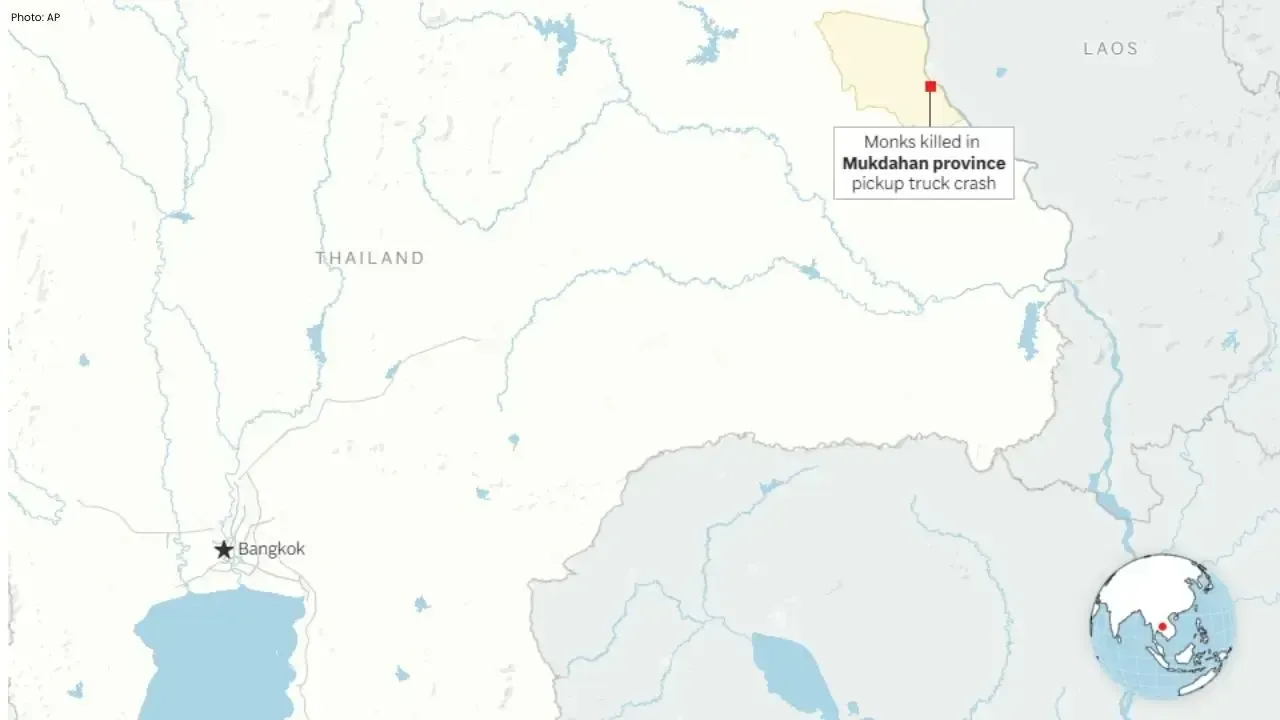
An 11-year-old boy driving a pickup truck crashed into monks during a pilgrimage in northeastern Tha