
You have not yet added any article to your bookmarks!
Join 10k+ people to get notified about new posts, news and tips.
Do not worry we don't spam!
Post by : Badri Ariffin
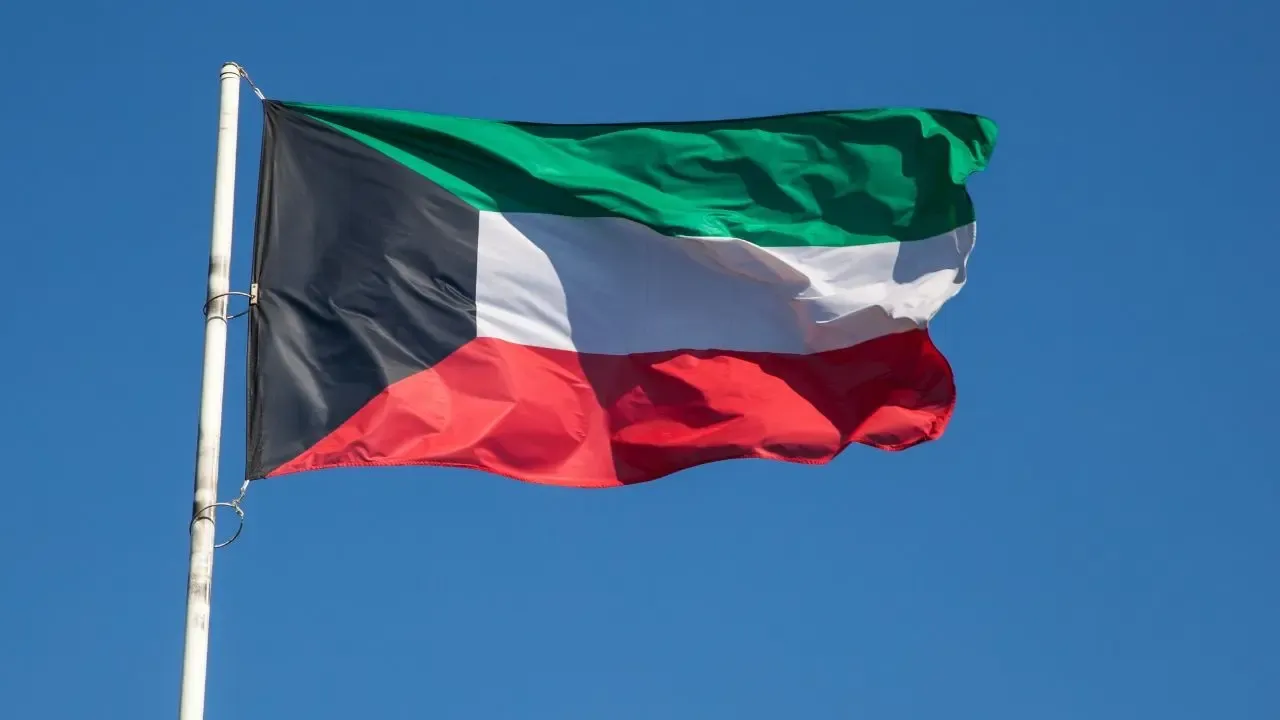
Kuwait City: A significant blaze ignited at a critical desalination and power generation plant in Kuwait, following an alleged missile attack attributed to Iran. This incident has raised serious questions about the integrity of important infrastructure in the Gulf region.
In response, Kuwaiti authorities quickly mobilized emergency response teams to manage the unfolding situation. Firefighters battled to control the flames while engineers evaluated damage to electricity generation units. Officials reported that urgent measures were implemented to safeguard Kuwait's power grid and maintain the essential supply of desalinated water.
At this time, authorities have not provided details regarding the extent of the damage or any reported casualties. An investigation is in progress to assess how this incident may impact the nation’s power and water output.
According to local officials, the fire erupted following what has been categorized as an alleged missile strike from Iran. The assault has reportedly affected multiple units, compelling emergency teams to secure the site to avert additional damage.
This event underscores concerns about the security risks facing power plants, desalination systems, and other vital infrastructures across the Gulf amid escalating tensions involving Iran and the United States.
The impacted facility is central to Kuwait's utility framework, generating both electricity and desalinated water. Any interruption in its operations may affect essential services for both residents and various industries, emphasizing the necessity of securing such infrastructures.
This reported incident aligns with a broader pattern of escalating drone and missile strikes by Iran across the Gulf region. Both Kuwait and Bahrain, which host significant U.S. military installations, are of particular focus during this latest period of hostilities.
Tehran claims that its operations specifically target locations associated with U.S. military influence in the area. Concurrently, the United States has sustained air operations against Iranian positions, marking a significant escalation over eight consecutive nights.
Security analysts caution that attacks on energy and public utility infrastructure could carry implications extending beyond the immediate conflict. Generating stations, desalination plants, oil facilities, ports, and vital shipping routes remain at increased risk as tensions persist.
Governments throughout the Gulf are enhancing security surrounding these strategic assets while closely monitoring the evolving circumstances. Prolonged assaults on critical infrastructure could jeopardize regional energy supplies, maritime trade, and economic stability.









APEC Members Emphasise Safe and Responsible Use of Artificial Intelligence
APEC members discuss responsible AI use, digital innovation and data governance as China and the US

Union of European Clubs Challenge UEFA and EFC Over EU Competition Rules
UEC files an EU competition complaint against UEFA and EFC, challenging club representation, governa

Mohammed Shami Retires From Test Cricket, Eyes White-Ball Career
Mohammed Shami retires from Test cricket after 13 years, with 229 wickets. He will continue playing

Singapore Warns Users About Privacy and Security Risks of AI Agents
Singapore warns users about AI agent security risks, data privacy, online scams and unauthorised acc

Chris Lynn Completes One-Month Ban After Positive Cocaine Test
Australian cricketer Chris Lynn completes a one-month ban after a positive cocaine test during the T

Djokovic Eyes Strong Season Finish as Health Improves Ahead of Paris Masters
Novak Djokovic reports improved health and performance as he targets a strong Paris Masters finish a