You have not yet added any article to your bookmarks!
Join 10k+ people to get notified about new posts, news and tips.
Do not worry we don't spam!
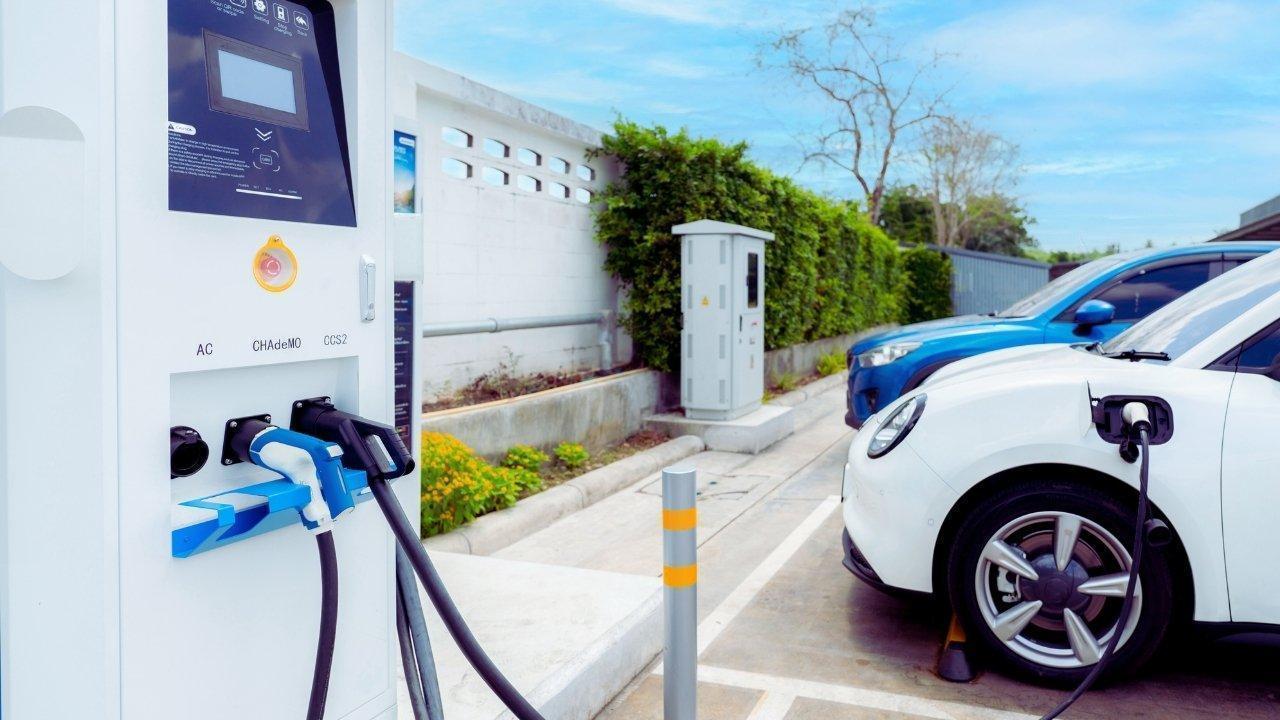
Post by : Anis Farhan
India is standing at the threshold of a historic transformation in transportation. The global shift toward electric vehicles has gained momentum, and India, one of the fastest-growing automobile markets, cannot be left behind. The Indian government has set ambitious targets for EV adoption as part of its commitment to reducing carbon emissions and combating air pollution. Yet, while EV sales are rising year on year, the critical question remains: is the country equipped with enough charging stations to support this transition?
The answer highlights both opportunities and challenges. On one hand, India has seen remarkable growth in charging infrastructure in recent years, driven by policy incentives and corporate interest. On the other, gaps remain in accessibility, distribution, and affordability, which could slow down the pace of adoption if not addressed urgently.
The Indian automobile industry is undergoing rapid change, with EVs gradually entering the mainstream. Two-wheelers and three-wheelers dominate the EV market due to affordability, while electric cars and buses are gaining momentum in urban centers. In 2024, EV sales in India reached record numbers, fueled by lower battery costs, rising fuel prices, and heightened consumer awareness about sustainability.
The government’s Faster Adoption and Manufacturing of Electric Vehicles (FAME) scheme has played a pivotal role in boosting EV sales through subsidies, incentives, and tax benefits. Cities like Delhi, Bengaluru, and Hyderabad are witnessing a visible surge in EV usage, with startups and established companies alike entering the market.
However, widespread EV adoption depends not just on vehicles but also on charging facilities. For many potential buyers, the lack of charging stations remains the biggest deterrent.
India currently has thousands of charging stations, but the numbers fall drastically short compared to demand. Experts estimate that to support the government’s EV targets for 2030, the country will need millions of charging points. At present, the majority of charging stations are concentrated in metropolitan cities, leaving smaller towns and highways underserved.
Public sector entities like Indian Oil Corporation and Bharat Petroleum have begun installing EV chargers at fuel stations. Meanwhile, private players such as Tata Power, Reliance, and ChargeZone are expanding their charging networks. Despite these developments, the network remains fragmented, with different companies using varied technologies and standards. This lack of uniformity creates confusion for EV users and hinders seamless adoption.
Several challenges are slowing the growth of EV charging infrastructure in India:
High Capital Costs: Setting up fast-charging stations requires significant investment, making it difficult for smaller companies to enter the market.
Grid Limitations: India’s power grid, already under pressure, faces challenges in meeting the additional demand from EV charging without major upgrades.
Uneven Distribution: While urban centers see rapid deployment, rural and semi-urban areas are largely neglected.
Standardization Issues: Multiple charging protocols across companies create compatibility issues for EV owners.
Consumer Concerns: Range anxiety and long charging times remain major barriers, especially on highways.
Addressing these challenges is essential to ensure that EV adoption is not restricted to a few privileged areas.
The Indian government has recognized the importance of charging infrastructure and rolled out several initiatives. Under FAME-II, subsidies are offered for setting up charging stations, and states are being encouraged to provide land and financial support. Delhi, Maharashtra, and Tamil Nadu are among the leading states with EV-friendly policies.
In addition, the Ministry of Power has classified EV charging as a service, which allows private companies to set up stations without requiring a license. This move has opened doors for new entrants and increased competition in the sector.
The government is also pushing for standardization to ensure interoperability among different charging networks. Guidelines issued by the Bureau of Indian Standards aim to unify the ecosystem and make EV ownership more user-friendly.
The private sector is playing an equally important role in building charging infrastructure. Startups and established firms are experimenting with new business models, such as subscription-based charging, mobile charging vans, and battery-swapping stations.
Battery-swapping, in particular, has gained traction in the two-wheeler and three-wheeler segments. Companies like Sun Mobility and Ola Electric are piloting swap stations where riders can quickly replace depleted batteries with charged ones, reducing downtime and eliminating range anxiety.
Tech-driven innovations are also reshaping the sector. Mobile apps allow users to locate nearby charging points, book slots, and make digital payments seamlessly. AI-powered energy management systems are being developed to optimize charging and reduce strain on the grid.
While city charging infrastructure is expanding, highways and intercity routes remain a challenge. Long-distance EV travel is often hindered by the lack of reliable fast-charging points along highways. The National Highways Authority of India (NHAI) has announced plans to set up charging stations every 50 km on key routes, but implementation has been slow.
For EV adoption to reach the next level, highway infrastructure must be prioritized. This would not only boost consumer confidence but also pave the way for commercial adoption of electric trucks and buses, crucial for cutting emissions in the logistics and public transport sectors.
Another critical aspect is ensuring that EV charging itself is sustainable. Charging stations powered by coal-based electricity undermine the environmental benefits of EVs. To address this, several projects are integrating solar and wind power into charging infrastructure. Rooftop solar panels and hybrid charging models are becoming popular, particularly in regions with high renewable energy potential.
Green charging initiatives not only reduce carbon footprints but also lower operational costs in the long run, making EV adoption more economically viable.
For India to succeed in its EV mission, charging infrastructure must grow at a pace that matches or exceeds vehicle adoption. A multi-pronged approach involving government policy, private investment, public awareness, and technological innovation is essential.
By 2030, India envisions a future where EVs dominate roads, highways are dotted with charging hubs, and renewable energy powers mobility. Achieving this vision requires addressing gaps today — from standardization to affordability — and ensuring that the transition is inclusive across urban and rural regions.
The journey toward green mobility is not just about vehicles; it is about building an entire ecosystem that supports sustainable living and reduces dependence on fossil fuels. Charging stations form the backbone of this ecosystem, and their expansion will define the pace of India’s electric mobility revolution.
This article is a feature report prepared for informational purposes. It highlights ongoing trends and developments in India’s EV charging infrastructure and does not represent investment or policy advice.








Jordan Burroughs Returns to Wrestling with 2028 Olympic Dream
Jordan Burroughs returns to wrestling with Real American Freestyle as the Olympic champion eyes a po

Lamborghini Catches Fire on Singapore's ECP, Causing Heavy Traffic
A Lamborghini caught fire on Singapore's ECP, causing heavy traffic and bus delays. No injuries were

Bangkok Airport Duty-Free Area Flooded by Pipe Burst
A burst water pipe flooded the duty-free shopping area at Bangkok's Suvarnabhumi Airport on July 16,

Nine Monks Killed in Thailand Pickup Truck Tragedy
An 11-year-old boy driving a pickup truck crashed into monks during a pilgrimage in northeastern Tha

Anwar Congratulates Xi on CPC's 105th Anniversary
Malaysia reaffirms strong ties with China as PM Anwar Ibrahim sends a congratulatory letter to Presi
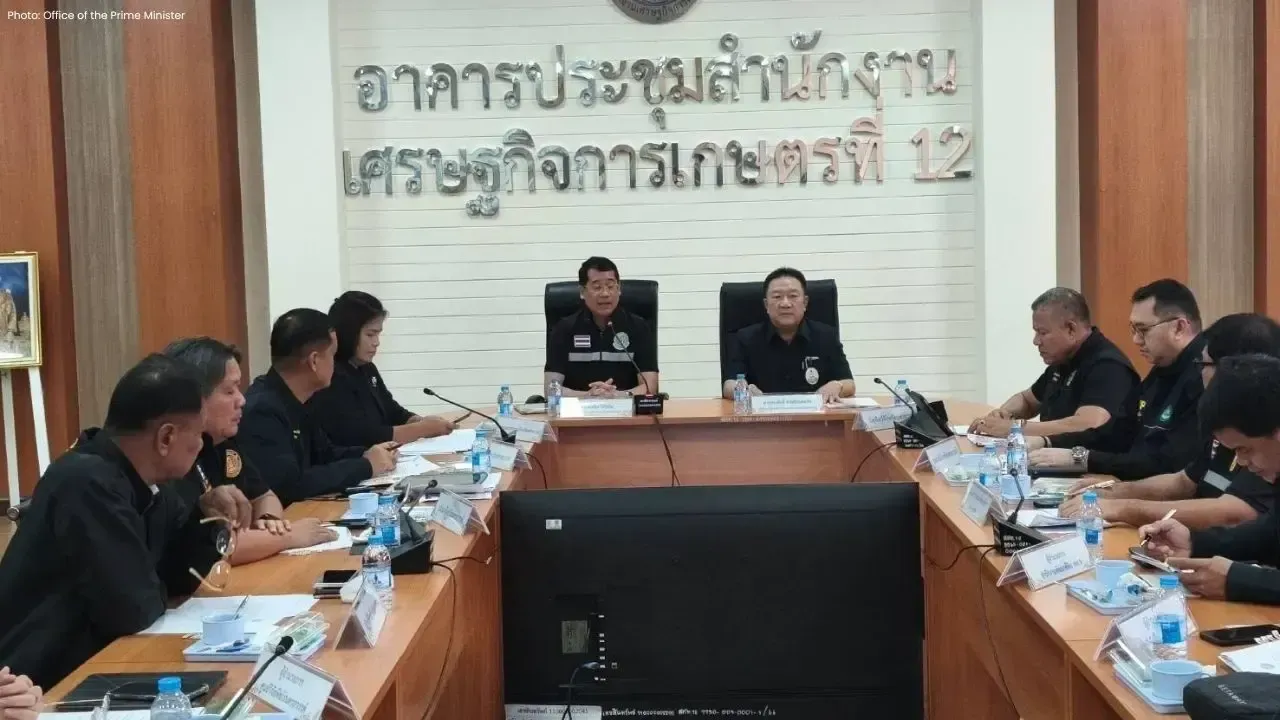
Thai Agriculture Team Reviews 2026 Farm Development Plans
Agriculture Ministry officials inspected livestock and organic rice projects in Nakhon Sawan to moni