
You have not yet added any article to your bookmarks!
Join 10k+ people to get notified about new posts, news and tips.
Do not worry we don't spam!
Post by : Shweta
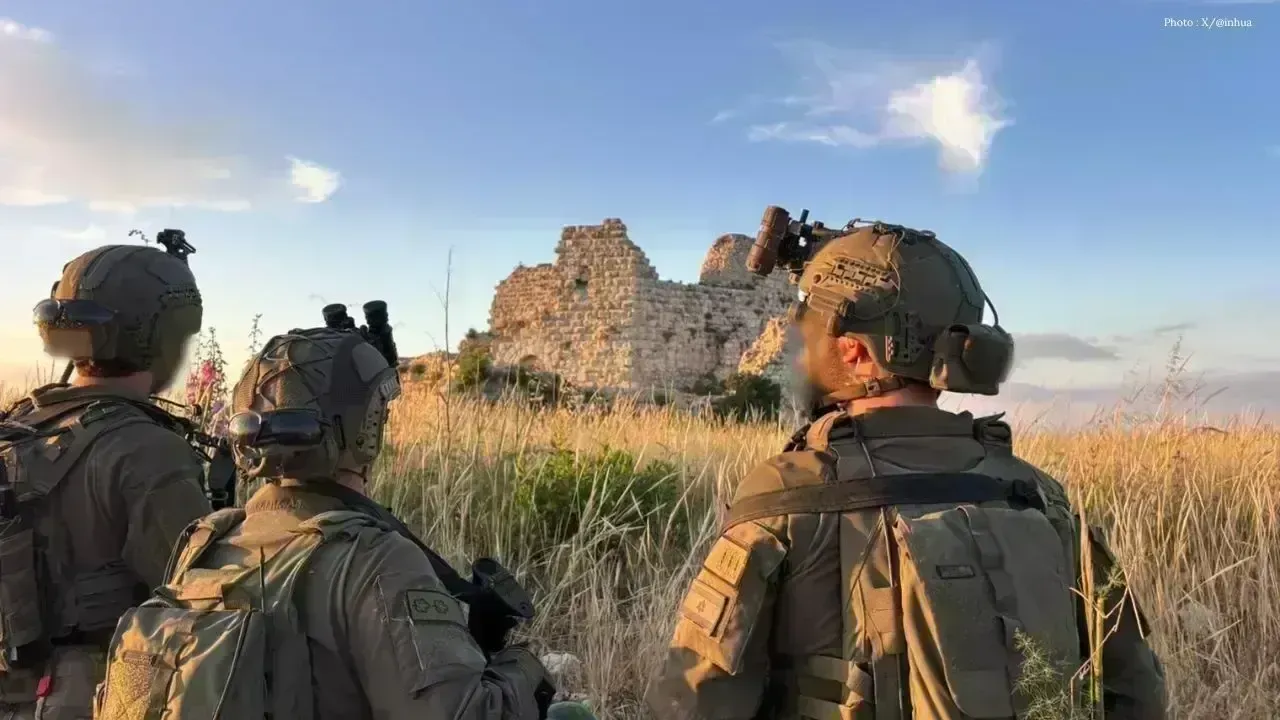
A number of European leaders have voiced strong disapproval of Israel’s deepening military actions in southern Lebanon, as worries mount about the potential for a broader regional conflict. This backlash follows Israel's forces transcending into Lebanese territory and securing the historic Beaufort Castle, marking one of the most significant Israeli military advances into Lebanon seen in over twenty years. This escalation has escalated diplomatic tensions and triggered urgent calls for de-escalation from European governments.
Reports indicate that Israeli troops are moving beyond their previously held positions in southern Lebanon as part of a heightened effort against Hezbollah. Israeli Prime Minister Benjamin Netanyahu has justified these operations as essential to defend against Hezbollah attacks and to safeguard Israeli communities near the border. Officials argue that Hezbollah represents a major security threat through missile launches and military actions in northern Israel.
However, leaders across Europe have raised growing concerns about the military escalation. French President Emmanuel Macron and other officials caution that the increasing military activity could exacerbate humanitarian conditions and derail diplomatic efforts aimed at curbing violence. France has reportedly advocated for urgent international dialogues at the United Nations Security Council, urging more robust actions to maintain the fragile ceasefire that had previously lessened hostilities in the area.
Similar concerns have been echoed by the United Kingdom and Germany. British officials have remarked that Israel's deeper military actions risk amplifying civilian suffering, undermining infrastructure, and complicating diplomatic negotiations. European powers have persistently emphasized the need for both Israel and Hezbollah to honor ceasefire commitments and avoid provocations that could ignite a protracted conflict.
The most recent military developments occur against a backdrop of past diplomatic efforts aimed at alleviating tensions between Israel and Lebanon. A temporary ceasefire brokered in April was designed to foster negotiations and avert a broader war. However, ongoing accusations of ceasefire violations from both sides have led to renewed hostilities and escalating instability in southern Lebanon.
Lebanese representatives have vehemently condemned Israel’s actions, asserting that its military is infringing upon Lebanese sovereignty and violating international law. Prime Minister Nawaf Salam has cautioned that the continued military push could lead to long-term occupation issues and further civilian displacement. Lebanese officials are also raising these concerns with international organizations, highlighting the implications for regional stability.
The humanitarian crisis has drawn significant international attention, with reports indicating that over one million individuals have been displaced since the conflict intensified, and thousands have either died or sustained injuries during the prolonged fighting. Aid organizations continue to express grave concerns about worsening conditions in affected areas faced with infrastructure damage and the depletion of essential services.
The capture of Beaufort Castle has taken on particular significance in the ongoing conflict. This historic fortress, which offers a strategic vantage point over southern Lebanon, has been characterized by Israeli leaders as a notable victory, whereas critics argue this move could escalate tensions and stoke fears over a lasting military presence in Lebanese territories.
The conflict is also impacting broader diplomatic maneuvers across the Middle East. The ongoing violence between Israel and Hezbollah complicates negotiations involving Iran, the United States, and other key regional stakeholders. Analysts warn that escalating conflicts in Lebanon may diminish the prospects for comprehensive diplomatic accords and elevate the risks of increased instability throughout the region.
As international pressure mounts on both parties, world leaders are advocating for restraint and recommencement of negotiations. European governments underscore that military escalations are unlikely to yield sustainable solutions, emphasizing the necessity for diplomatic interactions to avert further casualties and regional disruption. Many countries have called for all involved to return to dialogue and adhere strictly to international law.
As the fighting persists, this crisis remains one of the most closely monitored situations in the Middle East. The upcoming days are critical as diplomatic efforts escalate, and global leaders strive to prevent the conflict from worsening. For now, European nations remain unified in their stance that continued military operations threaten to exacerbate an already precarious and volatile situation.
#Breaking News #GlobalNews #Politics News #Israel news #World News










PM Modi Pays Tribute to Mahatma Gandhi, Urges People to Support Khadi
PM Modi pays tribute to Mahatma Gandhi on Gandhi Jayanti and urges citizens to support Khadi and the

Amazon Seeks to Offload $8 Billion in Nvidia Chips to Investors
Amazon plans to move $8 billion in Nvidia chips to investors, using a new financing model to strengt

Samsung Raises Galaxy S26 Prices as Memory Chip Costs Rise
Samsung raises Galaxy S26 prices in South Korea as rising memory chip costs put pressure on smartpho

Lewis Hamilton Calls Singapore Grand Prix One of F1's Toughest Races
Lewis Hamilton discusses the demanding Singapore Grand Prix and brings Plus44 and Almave to Singapor

Denmark's Pandora Opens World's Largest Jewellery Factory in Vietnam
Pandora opens its largest jewellery factory in Vietnam, expanding global production, strengthening s

Gautam Gambhir Questions Batting-Friendly Pitches After India's Record ODI Chase
Gautam Gambhir questions batting-friendly ODI pitches after India’s record chase, calling for a bett

