
You have not yet added any article to your bookmarks!
Join 10k+ people to get notified about new posts, news and tips.
Do not worry we don't spam!
Post by : Saif Rahman
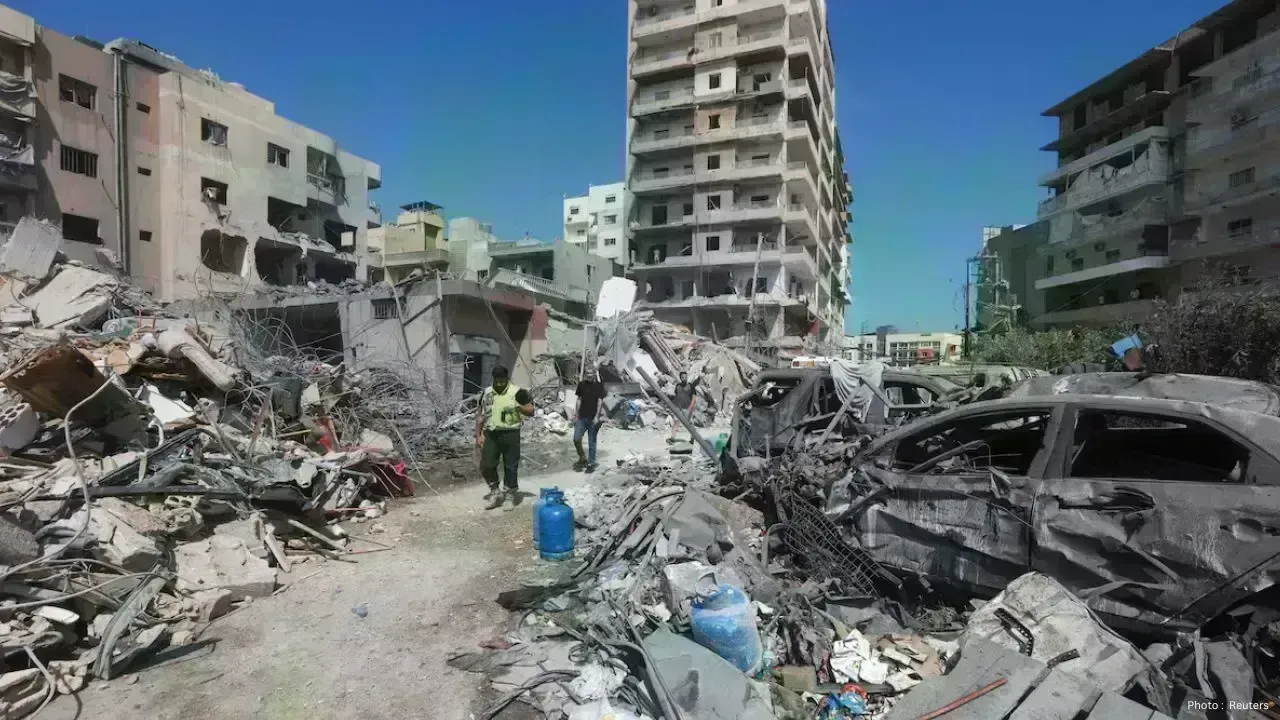
Ongoing military actions between Iran and the United States complicate diplomatic efforts to stabilize the Middle East. Despite extensive discussions aimed at reducing tensions, persistent disagreements regarding security, sanctions, and regional dominance hinder substantial progress. The cycle of attacks and military responses has intensified uncertainty and raised fears of escalating conflicts.
This ongoing conflict underscores the struggles of diplomacy amidst violence. While officials emphasize the importance of negotiation, current developments indicate that a long-lasting resolution remains elusive. Instances of missile and drone strikes aimed at U.S. military assets in the Gulf have prompted retaliatory strikes by U.S. forces against Iranian installations, overshadowing diplomatic dialogues with military actions.
Central to these rising tensions is the contentious issue of Iran's nuclear program. Washington demands stringent assurances concerning Iran’s nuclear ambitions, while Tehran maintains that its program is purely peaceful and calls for the lifting of economic sanctions. The widening chasm between these viewpoints continues to obstruct negotiation efforts.
The conflict’s ramifications extend beyond political disputes to encompass shipping routes, military strategies, regional alliances, and economic interests. The impacts are felt not only in the involved nations but also in neighboring countries and the global economy.
One pressing consequence of the ongoing crisis is the strain on energy supplies. The Strait of Hormuz, a pivotal passage for oil and natural gas shipments, is under constant scrutiny, as disruptions here could have widespread repercussions since a significant portion of global energy flows through these waters. Security anxieties have already influenced shipping patterns and caused fluctuations in oil prices.
Increasing energy costs can ripple through global economies. Heightened transportation and production costs burden businesses, while consumers often face escalated prices for everyday goods. Nations even outside the Middle Eastern region may experience economic fallout if instability persists.
Beyond economic ramifications, the humanitarian impact is dire. Military escalations and regional conflict have displaced countless individuals, worsening the conditions for families in affected areas. Communities already facing economic hardships are confronted with insecurity, limited access to essential resources, and pervasive uncertainty. Humanitarian agencies continue to issue alarms regarding the escalating needs of those trapped in the conflict.
The growing mistrust between opposing parties further complicates matters. Successful diplomatic endeavors hinge on the faith that agreements will be honored. Yet, each new military confrontation diminishes trust, making it increasingly challenging to cultivate the necessary confidence for meaningful negotiations.
The overarching concern is not merely the continuation of current skirmishes but the looming threat of a protracted stalemate. A scenario where neither side achieves its goals, coupled with ongoing violence, risks long-term instability that could exacerbate economic pressures, humanitarian crises, and complicate future negotiations.
History has consistently demonstrated that military measures rarely pave the way to enduring peace. Genuine solutions typically arise through dialogue, compromise, and an understanding of the underlying issues. Though diplomatic efforts may evolve slowly, they present the most viable route toward decreasing tensions and curtailing escalation.
Additionally, the engagement of international stakeholders is crucial. Governments, global organizations, and influential nations must facilitate meaningful negotiations and bolster initiatives aimed at mitigating conflict. Collaboration among these entities may be essential to foster conditions where diplomacy can thrive.
The Middle East, a region of immense global significance, faces stability challenges that affect us all. The ongoing strife endangers not just regional peace but also international commerce, energy markets, and economic growth. The ramifications of unresolved instability would be far-reaching, impacting countries well beyond those directly involved.
The forthcoming months will be pivotal in deciding whether diplomatic efforts can gain traction or military actions will continue to take precedence. While the journey toward an agreement poses significant challenges, dedicated dialogue presents the best opportunity for reducing tensions and averting broader crises. Even if a peaceful resolution is not swiftly realized, sustained diplomatic initiatives represent the strongest avenue towards long-term tranquility and security.










PM Modi Pays Tribute to Mahatma Gandhi, Urges People to Support Khadi
PM Modi pays tribute to Mahatma Gandhi on Gandhi Jayanti and urges citizens to support Khadi and the

Amazon Seeks to Offload $8 Billion in Nvidia Chips to Investors
Amazon plans to move $8 billion in Nvidia chips to investors, using a new financing model to strengt

Samsung Raises Galaxy S26 Prices as Memory Chip Costs Rise
Samsung raises Galaxy S26 prices in South Korea as rising memory chip costs put pressure on smartpho

Lewis Hamilton Calls Singapore Grand Prix One of F1's Toughest Races
Lewis Hamilton discusses the demanding Singapore Grand Prix and brings Plus44 and Almave to Singapor

Denmark's Pandora Opens World's Largest Jewellery Factory in Vietnam
Pandora opens its largest jewellery factory in Vietnam, expanding global production, strengthening s

Gautam Gambhir Questions Batting-Friendly Pitches After India's Record ODI Chase
Gautam Gambhir questions batting-friendly ODI pitches after India’s record chase, calling for a bett

