You have not yet added any article to your bookmarks!
Join 10k+ people to get notified about new posts, news and tips.
Do not worry we don't spam!

Post by : Anis Farhan
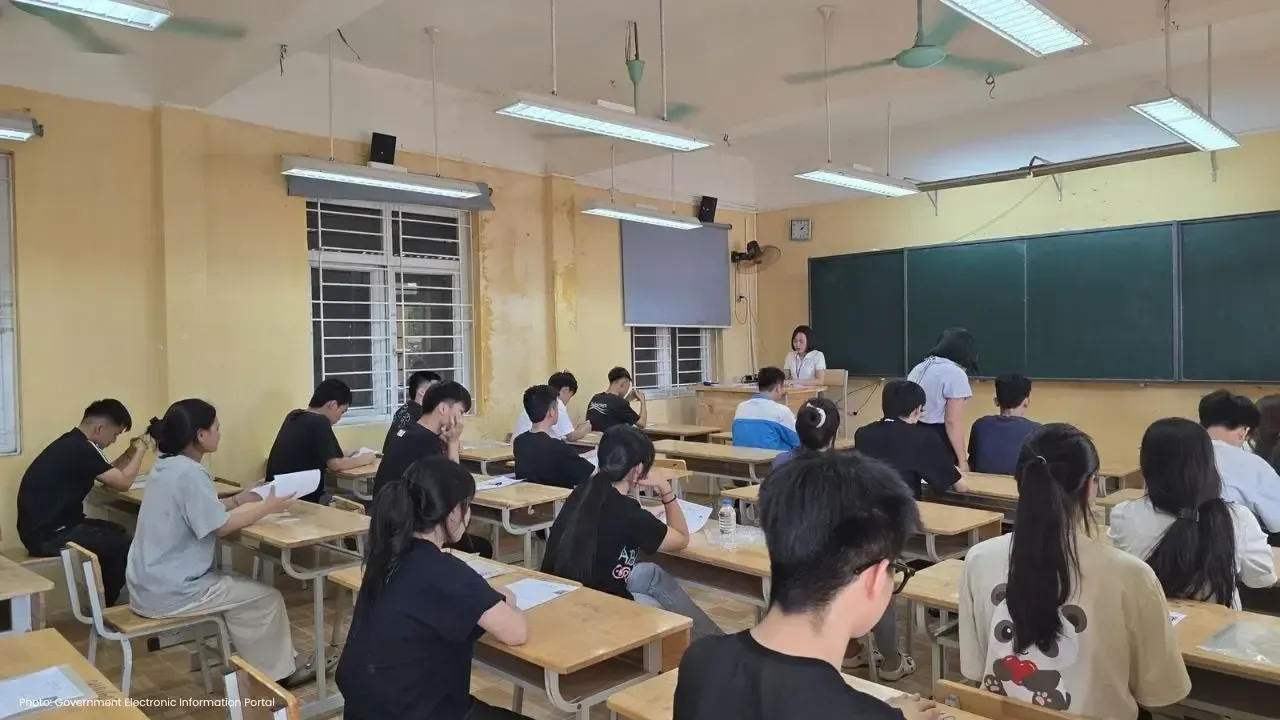
For years, education has been considered the most effective route to social mobility. Globally, parents have been willing to invest significantly—often going into debt—to secure quality educational experiences for their offspring. However, a concerning trend has emerged: the rising expenses of education are now far exceeding income growth.
This trend is not confined to prestigious universities or private institutions. From preschool to higher education, expenses are escalating everywhere. Concurrently, wage stagnation persists, and many families find it challenging to reconcile the financial burden of education against their incomes.
Today, education entails costs beyond just tuition. Schools and universities have incorporated numerous additional expenses, including technology fees, extracurricular activities, exam costs, transport charges, and housing fees.
In numerous nations, the swift growth of private education has filled the gaps left by underfunded public systems. Although these institutions vow improved facilities and educational outcomes, they inadvertently escalate overall educational expenses. Even public colleges that were once budget-friendly are now charging increased rates to counterbalance fiscal shortfalls.
What was previously an affordable expense has morphed into a long-term financial obligation that parallels homeownership for many families.
As education costs rise, income growth fails to keep pace. Wage increases in many economies have not matched inflation, making education and healthcare services, among others, increasingly unaffordable.
Various factors contribute to this disparity. Automation and technological advancements have disrupted job markets, causing wage suppression in numerous industries. Fragile job security is rampant, with many individuals now working freelance or in informal settings. Simultaneously, living costs—such as housing, transportation, food, and energy—have consumed a larger portion of household budgets.
When education expenses soar beyond earnings, families find themselves with diminishing options and difficult choices.
An often-overlooked factor driving education costs higher is the boom in supplemental education. Coaching centers, test preparation institutions, online learning modules, and private tutors have become essential for academic advancement and competitive exams.
In nations such as India, a thriving parallel education market has burgeoned into a multi-billion-dollar segment. Parents increasingly perceive that traditional schooling is insufficient, prompting greater spending on supplemental education.
This creates a cycle where education costs continue to rise—not necessarily due to curriculum demands, but because of competitive pressures.
University education, once regarded as a pathway to stable employment, has transformed into a significant source of debt for many. Tuition fees have surged, especially in regions where government support for higher education has dwindled.
A substantial number of students rely on loans to finance their education, with repayment obligations often extending deep into their adult years. Many graduates enter the workforce with considerable debt, limiting their financial flexibility when it comes to savings, investments, or taking risks.
The anticipated returns from higher education no longer appear guaranteed, particularly in job markets where degrees do not automatically secure well-paying, stable employment.
A significant structural factor contributing to increasing educational costs is the gradual push towards privatization. Governments facing economic pressures have opted to reduce funding for public education, shifting more financial responsibility onto families.
Public institutions are increasingly urged to generate their own income, which often results in elevated fees. While this policy may enhance infrastructure in specific instances, it disproportionately impacts middle and lower-income families.
Education, once considered a public commodity, is increasingly viewed as a personal investment—one that families must finance predominantly on their own.
The escalating costs of education have especially affected the middle class. These families earn too much to qualify for subsidies yet too little to comfortably afford rising education expenses.
Many middle-class households are forced to reduce savings, postpone significant life choices, or accumulate debt to finance education. Over time, these financial strains erode economic stability and boost vulnerability to unexpected challenges.
For some, the former promise of education being a ladder to a better life now feels uncertain and fraught with financial risks.
As education grows costlier, access becomes limited. Talented individuals from lower-income backgrounds encounter increased obstacles, despite the presence of scholarships. Hidden costs—like living expenses, study materials, and exam fees—often render education unattainable irrespective of formal support.
This dynamic jeopardizes social mobility. Should high-quality education become primarily accessible via income, generational inequality could intensify. Societies risk developing mechanisms through which opportunity is inherited rather than earned.
The long-lasting effects are expansive, influencing productivity, innovation, and societal cohesion.
Although online education and digital platforms were once perceived as cost-cutting measures, they have simultaneously imposed new expenses—like devices, internet access, and subscriptions.
In many situations, digital learning complements rather than substitutes traditional forms of education, thereby adding another level of cost to an already cumbersome financial situation. The digital disparity indicates that affordability varies widely, particularly in rural and economically disadvantaged regions.
Education costs persist in their ascent because demand remains robust. Parents retain the conviction that education is vital for future success, and institutions are well aware of this. As long as families feel driven—or compelled—to pay more, stabilization of prices seems improbable.
Furthermore, policy responses to this situation have been sluggish and disjointed. Fundamental reforms involving public education finance, educator compensation, and curriculum updates require time, leaving households to confront escalating costs independently.
The widening chasm between educational expenditures and income levels signifies more than just an economic dilemma—it’s a profound social challenge with far-reaching implications. As education becomes a financial burden rather than a means of empowerment, its societal role shifts.
Addressing this imbalance demands renewed investment in public education, more astute regulations on private institutions, and re-evaluating the criteria for success beyond costly credentials. Until then, families will continue to carry the weight of a system where learning costs spiral out of control compared to earnings.
Disclaimer:
This article serves informational purposes only; education expenses, income trends, and policy frameworks differ from one region to another, and individual experiences may vary.








Jordan Burroughs Returns to Wrestling with 2028 Olympic Dream
Jordan Burroughs returns to wrestling with Real American Freestyle as the Olympic champion eyes a po

Lamborghini Catches Fire on Singapore's ECP, Causing Heavy Traffic
A Lamborghini caught fire on Singapore's ECP, causing heavy traffic and bus delays. No injuries were

Bangkok Airport Duty-Free Area Flooded by Pipe Burst
A burst water pipe flooded the duty-free shopping area at Bangkok's Suvarnabhumi Airport on July 16,
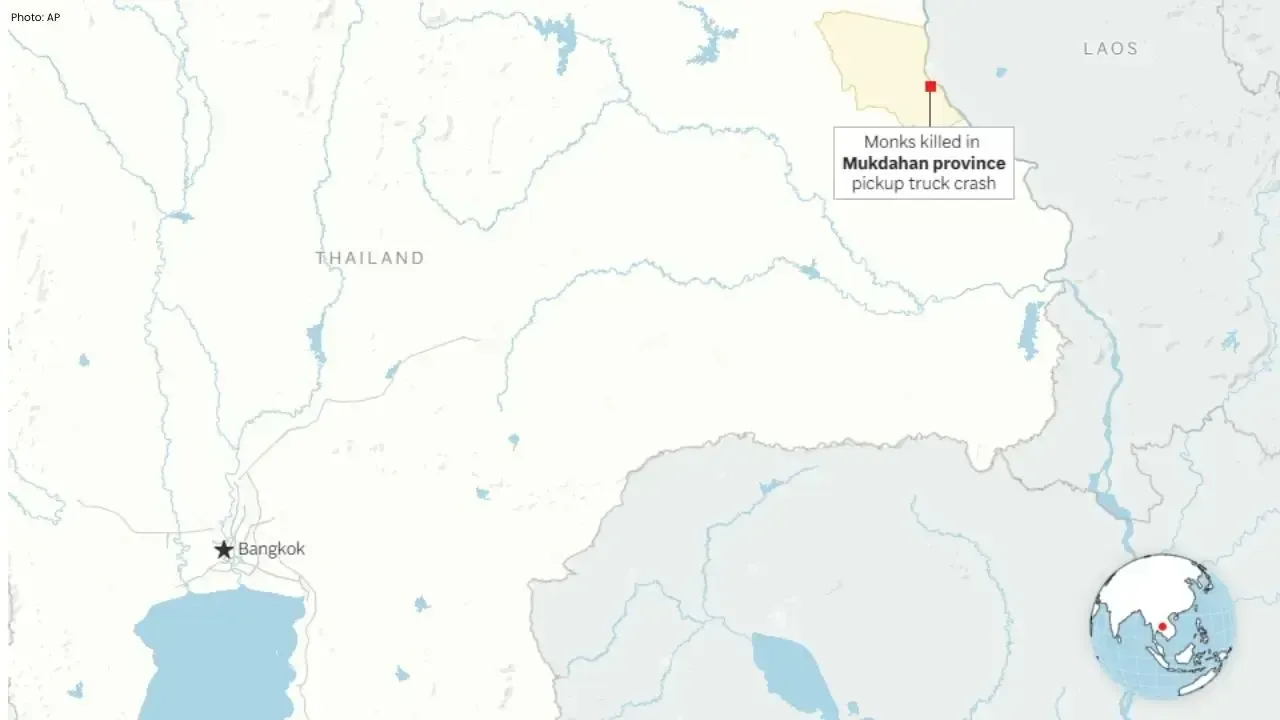
Nine Monks Killed in Thailand Pickup Truck Tragedy
An 11-year-old boy driving a pickup truck crashed into monks during a pilgrimage in northeastern Tha
Anwar Congratulates Xi on CPC's 105th Anniversary
Malaysia reaffirms strong ties with China as PM Anwar Ibrahim sends a congratulatory letter to Presi

Thai Agriculture Team Reviews 2026 Farm Development Plans
Agriculture Ministry officials inspected livestock and organic rice projects in Nakhon Sawan to moni