
You have not yet added any article to your bookmarks!
Join 10k+ people to get notified about new posts, news and tips.
Do not worry we don't spam!
Post by : Abhinav Rana
Photo : X / @Zawya
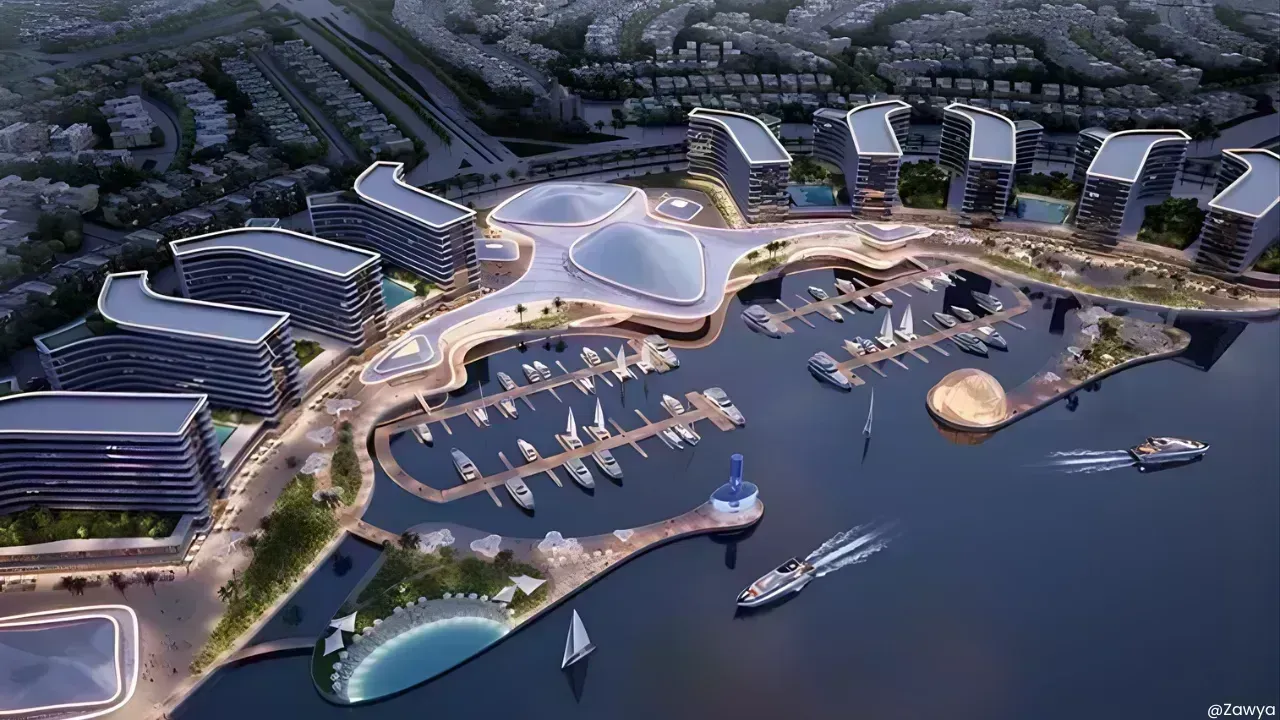
In a significant advancement for urban planning, Dubai has unveiled an expansive new masterplan in Al Jaddaf, featuring a groundbreaking creekside district that merges progressive living with cutting-edge transport accessibility. This project signifies a transformative direction in city design aimed at sustainability and connectivity, positioning Dubai as a leader in modern urban development.
At its core, the initiative encompasses a sizable mixed-use area, approximately one million square feet, structured to serve as a complete urban landscape. This innovative district will seamlessly incorporate housing, office spaces, retail, hospitality, and cultural venues, creating an inviting, walkable community that promotes economic vitality and everyday convenience.
Distinguished by its human-centered approach, this masterplan moves away from the traditional car-centric model, fostering dynamic public spaces where work, daily living, leisure, and social interactions are easily accessible. This five-minute city vision aligns with a global shift towards more compact, functional, and livable urban settings that prioritize both quality of life and economic success.
A prominent feature of the Al Jaddaf masterplan is its strategic location next to two essential transport links— the Etihad Rail high-speed network and the Creek Metro extension. This advantageous positioning designates the district as a crucial transit node, revolutionizing commuting patterns for both residents and businesses within and beyond the city.
By enhancing rail and metro connectivity, Dubai is demonstrating a significant evolution in urban strategy, emphasizing development centered around transport networks. This paradigm not only reduces dependence on private cars but also boosts accessibility, efficiency, and sustainability within the city's transportation landscape, marking a key turning point towards infrastructure-led urban planning.
The Al Jaddaf project symbolizes a broader trend influencing global real estate, where connectivity increasingly drives value. By strategically placing the district near major transport corridors and waterfront areas, it offers a unique blend of accessibility and premium lifestyle options.
Once a hub for dhow-building and industry, Al Jaddaf is evolving into a vibrant urban center along the scenic Dubai Creek, bolstered by metro connectivity and healthcare facilities. This transformation illustrates the potential for infrastructural investments to redefine neighborhoods, creating fresh economic opportunities and attracting both local and international investment.
For sectors related to logistics, urban mobility, and infrastructure, this development serves as a model for achieving sustainable growth through integrated urban planning.
To actualize this visionary plan, developers have engaged the acclaimed architecture firm Pelli Clarke & Partners, known for their iconic global structures. Their collaboration highlights a commitment to crafting a distinctive district that meets both functional demands and high architectural standards.
Innovation in design extends beyond individual buildings, encompassing public spaces, waterfront access, and pedestrian pathways. This comprehensive approach guarantees that the district will not merely serve as a place to work or reside, but will also emerge as a dynamic destination enhancing the urban experience.
This masterplan reflects a broader trend as Dubai redefines its urban growth strategy to align with global sustainability initiatives. By centralizing development around public transit and promoting mixed-use communities, the city is transitioning towards a more effective and eco-conscious urban framework.
Such multifaceted projects are increasingly essential in a world grappling with rapid urbanization alongside sustainability and infrastructure effectiveness. Dubai’s proactive approach exemplifies how forward-looking urban planning can tackle such challenges while ensuring competitiveness on a global stage.
As the Al Jaddaf creekside district evolves, it stands to become one of Dubai's most significant urban initiatives in the coming years. Its achievements could fundamentally alter the way urban landscapes integrate transportation, real estate, and lifestyle into a cohesive experience.
For those in the transportation and infrastructure fields, the take-home message is clear: the future of urban development is rooted in connectivity, integration, and adaptability. Ventures like this are not merely transforming skylines; they are reshaping the foundational operations of cities in an increasingly connected world.
#Development #Dubai Masterplan #Al Jaddaf #Smart City #Urban Development #Transport Infrastructure #Dubai property










PM Modi Pays Tribute to Mahatma Gandhi, Urges People to Support Khadi
PM Modi pays tribute to Mahatma Gandhi on Gandhi Jayanti and urges citizens to support Khadi and the

Amazon Seeks to Offload $8 Billion in Nvidia Chips to Investors
Amazon plans to move $8 billion in Nvidia chips to investors, using a new financing model to strengt

Samsung Raises Galaxy S26 Prices as Memory Chip Costs Rise
Samsung raises Galaxy S26 prices in South Korea as rising memory chip costs put pressure on smartpho

Lewis Hamilton Calls Singapore Grand Prix One of F1's Toughest Races
Lewis Hamilton discusses the demanding Singapore Grand Prix and brings Plus44 and Almave to Singapor

Denmark's Pandora Opens World's Largest Jewellery Factory in Vietnam
Pandora opens its largest jewellery factory in Vietnam, expanding global production, strengthening s

Gautam Gambhir Questions Batting-Friendly Pitches After India's Record ODI Chase
Gautam Gambhir questions batting-friendly ODI pitches after India’s record chase, calling for a bett

