
You have not yet added any article to your bookmarks!
Join 10k+ people to get notified about new posts, news and tips.
Do not worry we don't spam!
Post by : Rameen Ariff
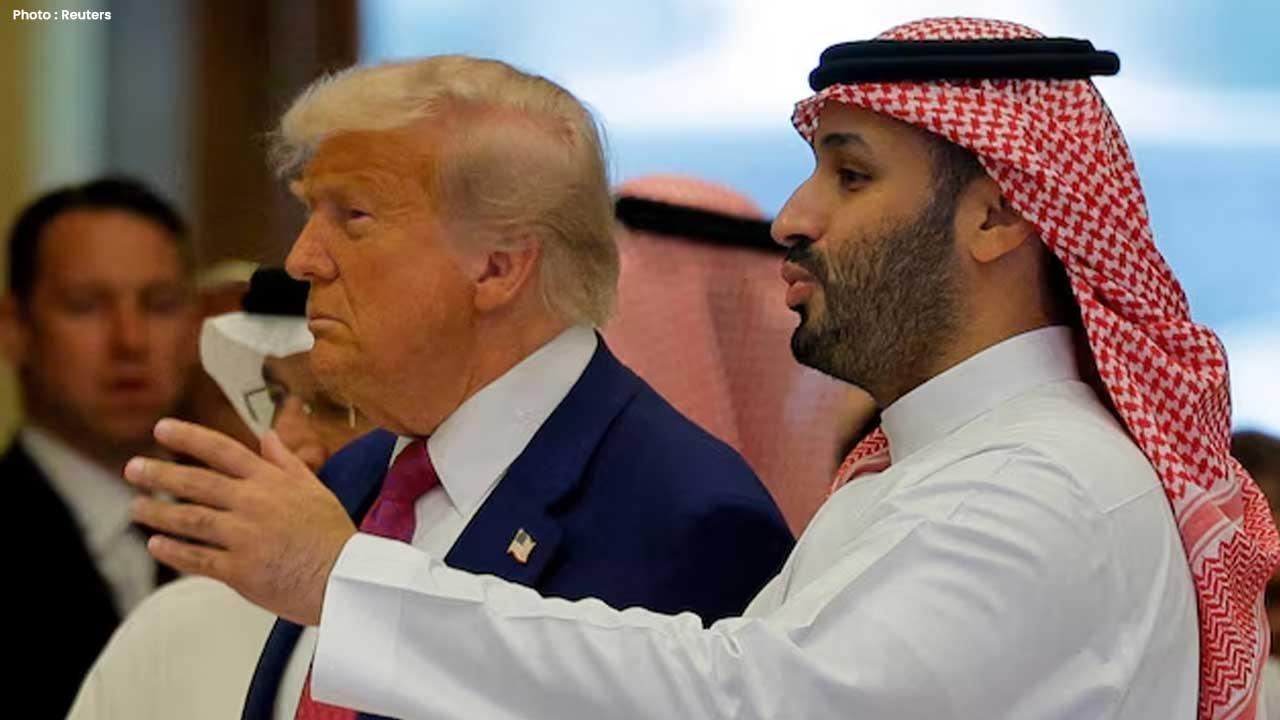
Crown Prince Mohammed bin Salman (MBS) of Saudi Arabia is set to receive a warm reception in Washington, signaling a pivotal shift in US-Saudi relations following years of tension. As he embarks on his first visit since the 2018 murder of journalist Jamal Khashoggi, the mood has notably changed, with both nations poised to strengthen military partnerships, enhance economic ties, and envision a future together.
The Crown Prince's agenda includes crucial discussions on advanced weaponry, vast investment ventures, technological collaborations, and regional diplomacy breakthroughs. A focal point of the discussions will be a groundbreaking proposal for the sale of 48 F-35 fighter jets to Saudi Arabia. Ahead of the visit, President Trump confirmed that negotiations for the aircraft are on track, indicating a significant shift in policy, particularly regarding Israel's military standing in the region.
Economic implications are substantial as Saudi Arabia seeks to reaffirm its commitment to investing $600 billion across various US sectors, including defense and AI. President Trump aims to expedite these commitments during MBS's stay, with White House officials revealing plans for multiple agreements that will foster long-term collaboration.
A notable aspect of the visit involves addressing China's increasing influence in the Gulf. The US views Saudi Arabia as a crucial ally in countering China's role in various critical sectors. Analysts believe the Biden administration views robust ties with Riyadh as vital for ensuring alignment on security, finance, and technology matters against China's advances.
Furthermore, discussions around the Abraham Accords will be pivotal, as Trump is expected to encourage Saudi Arabia to join these agreements. The accords—previously established with Israel and several other nations—present a significant diplomatic opportunity, although Riyadh emphasizes the need for progress concerning Palestinian statehood.
Experts suggest that a new security agreement between the US and Saudi Arabia could emerge, even without immediate normalization with Israel. Such a pact might entail US support for Saudi civilian nuclear goals and expanded military cooperation, softening the ground for deeper strategic ties.
Importantly, the symbolism of this visit reflects a reorientation of priorities. The aftermath of Khashoggi's murder had strained US-Saudi ties, yet the upcoming red-carpet welcome illustrates a pragmatic recognition of mutual interdependence. Both countries prioritize stability and security, with the US seeking reliable partnerships and Saudi Arabia aiming for advanced military capabilities and investment stimuli.
As MBS prepares for crucial meetings and negotiations at the White House, the signals are clear: a transformative phase in US-Saudi relations is underway. The outcomes of this visit could significantly influence the geopolitical landscape in the Middle East for years to come.










PM Modi Pays Tribute to Mahatma Gandhi, Urges People to Support Khadi
PM Modi pays tribute to Mahatma Gandhi on Gandhi Jayanti and urges citizens to support Khadi and the

Amazon Seeks to Offload $8 Billion in Nvidia Chips to Investors
Amazon plans to move $8 billion in Nvidia chips to investors, using a new financing model to strengt

Samsung Raises Galaxy S26 Prices as Memory Chip Costs Rise
Samsung raises Galaxy S26 prices in South Korea as rising memory chip costs put pressure on smartpho

Lewis Hamilton Calls Singapore Grand Prix One of F1's Toughest Races
Lewis Hamilton discusses the demanding Singapore Grand Prix and brings Plus44 and Almave to Singapor

Denmark's Pandora Opens World's Largest Jewellery Factory in Vietnam
Pandora opens its largest jewellery factory in Vietnam, expanding global production, strengthening s

Gautam Gambhir Questions Batting-Friendly Pitches After India's Record ODI Chase
Gautam Gambhir questions batting-friendly ODI pitches after India’s record chase, calling for a bett

