
You have not yet added any article to your bookmarks!
Join 10k+ people to get notified about new posts, news and tips.
Do not worry we don't spam!
Post by : Shweta
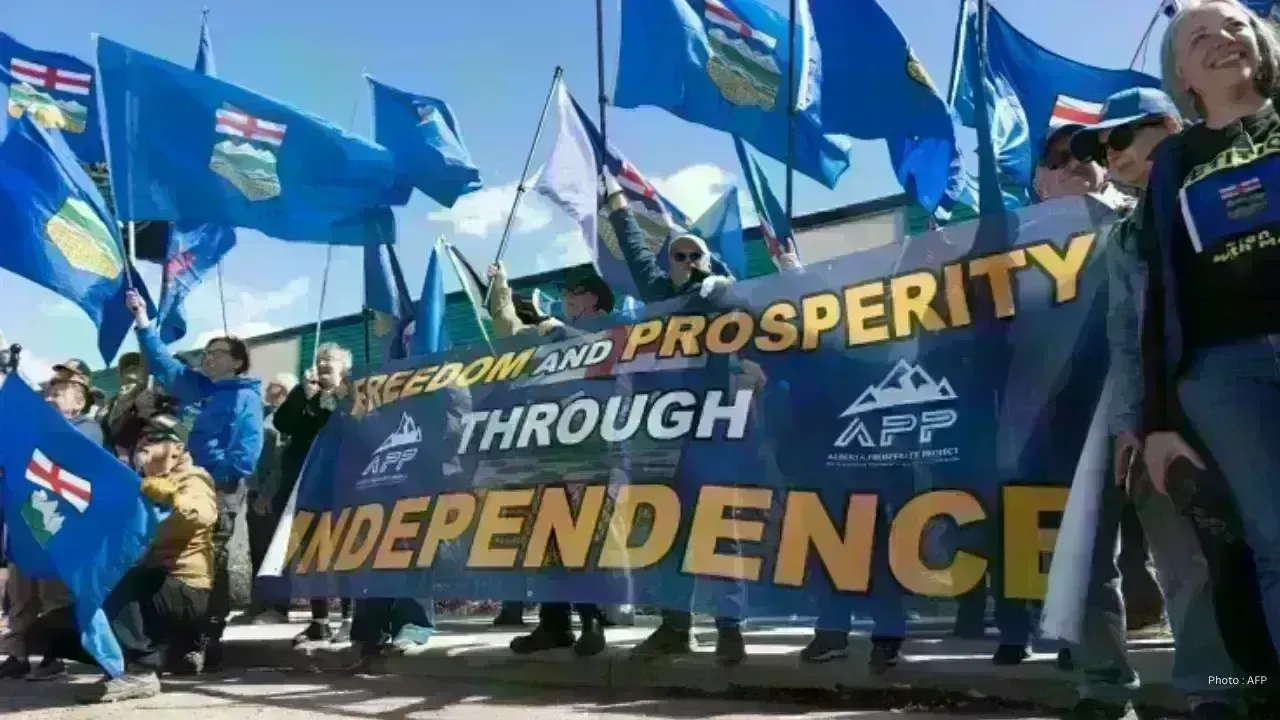
A ruling from a Canadian court has halted the efforts of Alberta separatist factions to conduct a referendum regarding independence from Canada, marking a significant setback for the province's rising separatist sentiments. Justice Shaina Leonard of the Alberta Court of King’s Bench determined that the petition process could not advance due to the provincial government’s failure to adequately consult Indigenous First Nations before granting permission for the initiative.
The case revolved around a petition led by the separatist group "Stay Free Alberta" alongside other activists, who sought to allow Albertans to decide on the province's separation from Canada. Organizers managed to gather over 300,000 signatures, surpassing the necessary threshold to initiate the referendum process. However, Indigenous groups contested the legality of the initiative, asserting that discussions about separation must honor the treaties established with Indigenous nations prior to the province's official entry into Canada.
Justice Leonard stated in her ruling that the Alberta government bore a legal obligation to engage Indigenous communities, as the question of separation has potential implications on treaty rights established under Treaties 7 and 8. This significant constitutional matter could affect land rights, governance, and the relationships between Indigenous nations and the Canadian Crown. Consequently, due to the lack of proper consultation, the court invalidated the petition’s approval.
This decision is viewed as pivotal amid the ongoing dialogue around western alienation and separatist sentiments in Alberta. In recent years, dissatisfaction has surged in the province regarding federal energy regulations, environmental policies, and the relationship with Ottawa, particularly given Alberta's substantial role in the national economy yet perceived inequities in treatment from the federal government.
In response to the ruling, Alberta Premier Danielle Smith expressed her discontent and announced intentions to appeal, labeling the decision as "anti-democratic" and asserting that the populace should have the opportunity to debate and vote on crucial political matters. Although she professes to support Alberta’s place within Canada, her government has championed the referendum approach as a form of democratic expression.
Indigenous leaders hailed the court's verdict as a significant triumph for treaty rights and constitutional safeguards. Chief Allan Adam of the Athabasca Chipewyan First Nation remarked that the ruling underscores the necessity for the inclusion of Indigenous voices in discussions pertaining to Alberta's political landscape. Numerous First Nations organizations maintained that Alberta cannot legitimately pursue separation from Canada without acknowledgment of the agreements made with Indigenous nations.
The issue of Alberta separatism has drawn scrutiny beyond Canadian borders in recent months. Reports indicated connections between some separatist-inclined groups and American political figures associated with allied supporters of former President Donald Trump, raising concerns over external influences on local political movements.
Additionally, the Alberta independence movement has been marred by controversies, including investigations into a significant breach of voter data linked to separatist organizations. Authorities from Elections Alberta and police are looking into claims that sensitive personal voter information was misappropriated and disseminated online. Critics assert this incident heightens concerns over political radicalism, data privacy, and election integrity in the province.
Despite the court's decision, leaders of the separatist movement remain undeterred. Activists are urging Premier Smith’s administration to submit the independence question directly to the voters without following the traditional petition route. Nevertheless, legal scholars caution that any future attempts at independence would likely encounter substantial constitutional hurdles and further confrontations related to Indigenous treaty rights and Canada’s Clarity Act.










PM Modi Pays Tribute to Mahatma Gandhi, Urges People to Support Khadi
PM Modi pays tribute to Mahatma Gandhi on Gandhi Jayanti and urges citizens to support Khadi and the

Amazon Seeks to Offload $8 Billion in Nvidia Chips to Investors
Amazon plans to move $8 billion in Nvidia chips to investors, using a new financing model to strengt

Samsung Raises Galaxy S26 Prices as Memory Chip Costs Rise
Samsung raises Galaxy S26 prices in South Korea as rising memory chip costs put pressure on smartpho

Lewis Hamilton Calls Singapore Grand Prix One of F1's Toughest Races
Lewis Hamilton discusses the demanding Singapore Grand Prix and brings Plus44 and Almave to Singapor

Denmark's Pandora Opens World's Largest Jewellery Factory in Vietnam
Pandora opens its largest jewellery factory in Vietnam, expanding global production, strengthening s

Gautam Gambhir Questions Batting-Friendly Pitches After India's Record ODI Chase
Gautam Gambhir questions batting-friendly ODI pitches after India’s record chase, calling for a bett

