
You have not yet added any article to your bookmarks!
Join 10k+ people to get notified about new posts, news and tips.
Do not worry we don't spam!
Post by : Saif Rahman
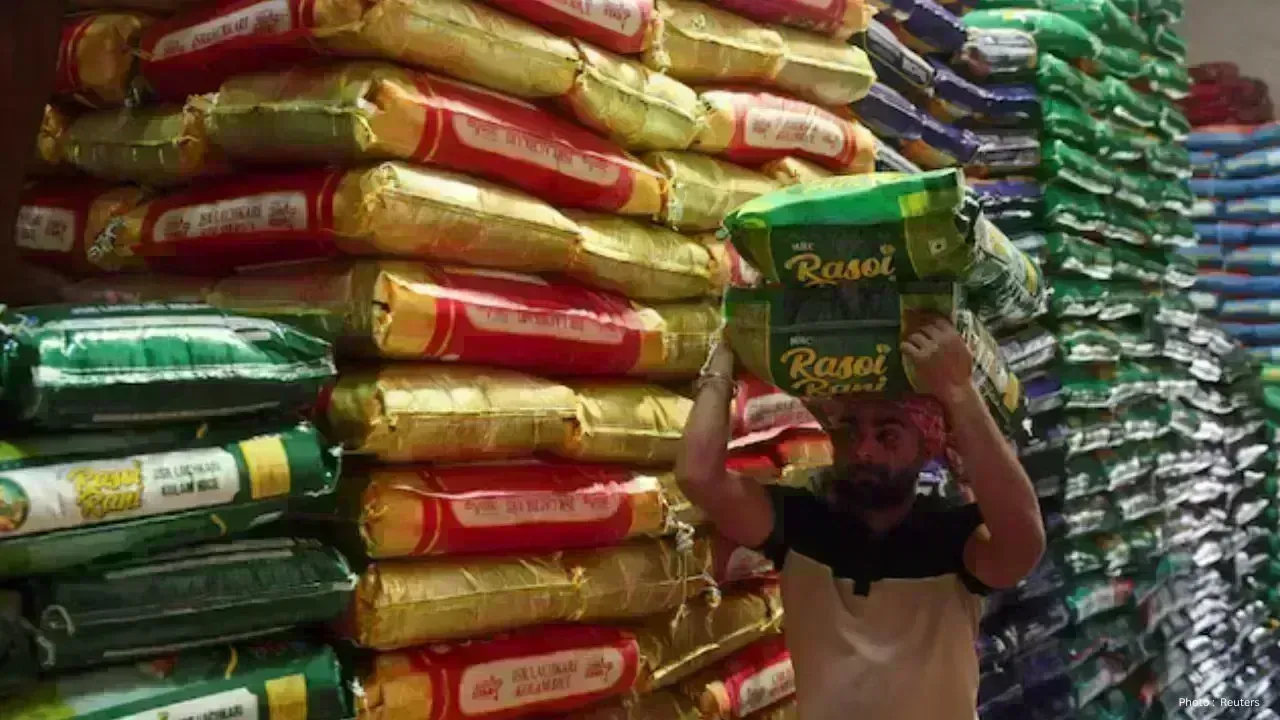
The decline in India's rice exports has become a pressing issue as regional conflicts and shipping disruptions hinder the trade of basmati rice to Gulf countries. This slowdown has raised alarms among exporters, traders, and agricultural stakeholders who are particularly reliant on international demand for their products.
As one of the leading rice exporters worldwide, India significantly contributes to global food supplies. Basmati rice, prized for its distinctive aroma and quality, holds special significance in Gulf nations where consumer interest remains high.
Recent trade reports reveal that geopolitical tensions and logistical challenges are contributing to a slowdown in cargo movements towards crucial international destinations. Uncertainties in shipping coupled with increased freight costs have complicated export operations in recent weeks.
Exporters have voiced concerns about the ongoing disruptions as they adversely affect businesses that depend on timely deliveries. Any delays can escalate storage costs, disrupt contracts, and erode trust among global buyers.
Experts in agricultural trade assert that the recent decline serves as a reminder of how global conflicts can impact vital food supply chains and international trade flows. Production may remain steady, yet transport disruptions can lead to significant challenges for both exporters and importers.
The rice sector supports millions of individuals—farmers, traders, transport workers, and processing businesses across various Indian states. Therefore, any shift in export demand holds substantial implications for rural income and agricultural markets.
Exporting basmati rice is crucial for generating foreign exchange for the country, with Gulf nations constituting a major segment of the premium rice market due to strong cultural preferences.
Trade analysts caution that shipping disruptions often lead to inflated transportation and insurance costs, as well as more uncertain deliveries. These complications can compress profit margins for exporters while inflating prices for buyers abroad.
This situation underscores the interconnected nature of global politics and international food supply chains, demonstrating how events in one region can ripple effect through to shipping networks and commodity pricing across the globe.
Farmers and exporters are closely tracking the status of global trade routes and regional security. Many businesses are keenly hoping for greater stability to facilitate consistent export operations without extended interruptions.
Economic analysts highlight the vital role that agricultural exports play in strengthening India's economy, with strong global demand serving to lift rural incomes and secure the nation's standing in international markets.
The downturn may also impact international partners reliant on Indian rice, as importers typically favor stable supply chains to ensure food distribution remains fluid within their domestic markets.
Logistics and shipping companies are also under strain, as rising operational risks complicate transportation management. Trade disruptions along key maritime routes can have far-reaching effects across various sectors beyond just agriculture.
Government bodies and exporter organizations are expected to keep a close eye on these developments. It's crucial to ensure smooth trade operations to protect both domestic interests and international partnerships.
Experts point out that global food markets have already been stressed in recent years due to climate impacts, inflation, supply chain interruptions, and geopolitical unrest. Further trade setbacks could exacerbate uncertainty in the agricultural landscape.
Consumers in importing nations may also experience repercussions if transportation issues persist. Limited supply can lead to higher retail costs and decreased product availability.
Despite these challenges, India's agricultural sector remains a cornerstone of the global food supply chain. Exporters remain hopeful for improved shipping conditions and stable trade routes to restore normal export activities soon.
Trade observers believe enhancing logistics and diversifying shipping networks will become imperative for exporters navigating unpredictable global conditions. Businesses are likely to prioritize risk management and explore alternative transport options.
The current decline in rice exports illustrates the deep interconnections between agriculture, international trade, and global stability. Even minor interruptions in shipping can have profound economic impacts for producers, exporters, and consumers globally.
As global markets continue to react to geopolitical developments, the agricultural sector will remain heavily reliant on functional transportation systems and cohesive international trade networks.










PM Modi Pays Tribute to Mahatma Gandhi, Urges People to Support Khadi
PM Modi pays tribute to Mahatma Gandhi on Gandhi Jayanti and urges citizens to support Khadi and the

Amazon Seeks to Offload $8 Billion in Nvidia Chips to Investors
Amazon plans to move $8 billion in Nvidia chips to investors, using a new financing model to strengt

Samsung Raises Galaxy S26 Prices as Memory Chip Costs Rise
Samsung raises Galaxy S26 prices in South Korea as rising memory chip costs put pressure on smartpho

Lewis Hamilton Calls Singapore Grand Prix One of F1's Toughest Races
Lewis Hamilton discusses the demanding Singapore Grand Prix and brings Plus44 and Almave to Singapor

Denmark's Pandora Opens World's Largest Jewellery Factory in Vietnam
Pandora opens its largest jewellery factory in Vietnam, expanding global production, strengthening s

Gautam Gambhir Questions Batting-Friendly Pitches After India's Record ODI Chase
Gautam Gambhir questions batting-friendly ODI pitches after India’s record chase, calling for a bett

