
You have not yet added any article to your bookmarks!
Join 10k+ people to get notified about new posts, news and tips.
Do not worry we don't spam!
Post by : Badri Ariffin
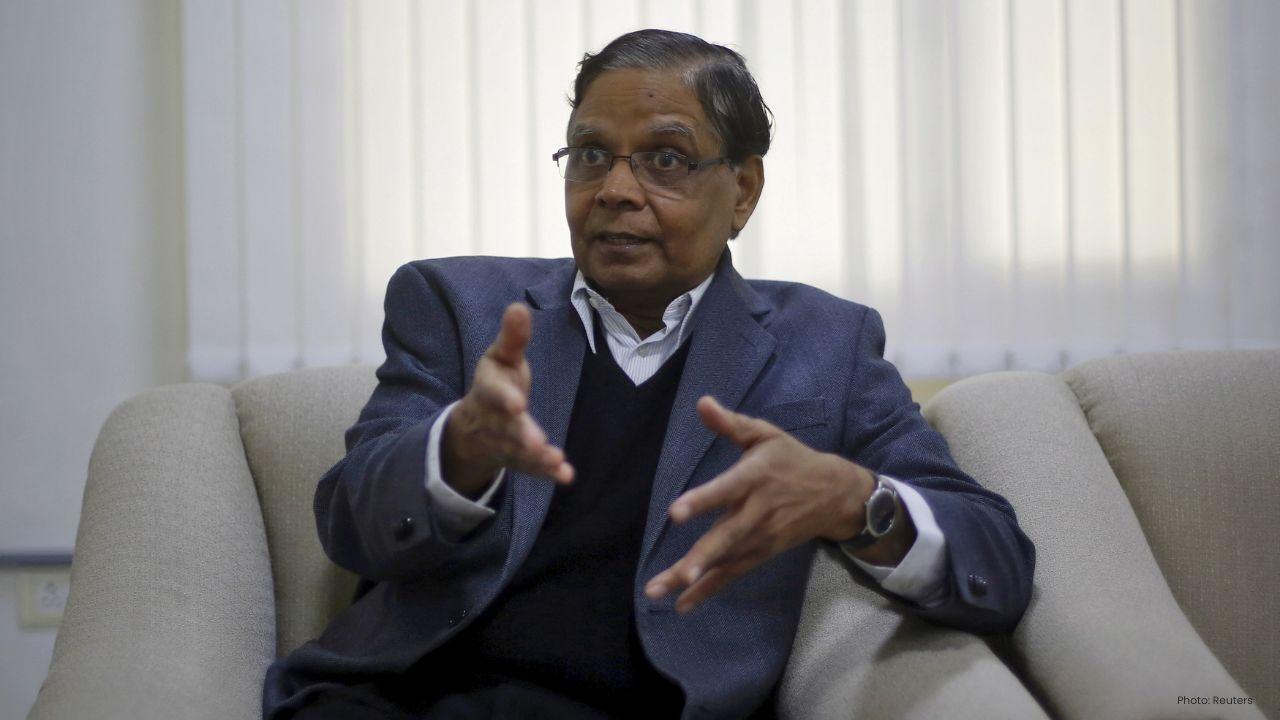
New Delhi: In a move that will shape India’s fiscal landscape for the next five years, the 16th Finance Commission, led by Dr. Arvind Panagariya, submitted its report for 2026-31 to President Droupadi Murmu on Monday. The report, which will be tabled in Parliament prior to its official release, outlines recommendations for distributing central funds to states from 2026-27 to 2030-31.
The Commission’s mandate spans multiple critical areas, including sharing the net proceeds of central taxes with states, grants-in-aid, financing mechanisms for disaster management, and strategies to ensure fiscal stability across regions.
Key Proposals and State Demands
While the details of the 16th Finance Commission’s recommendations are yet to be made public, state governments have already signaled their expectations. Most states have pressed for an increase in tax devolution from the 41% set by the 15th Finance Commission to up to 50%, highlighting the need for more funds to combat poverty, boost infrastructure, and strengthen local economies.
Wealthier states like Tamil Nadu, Maharashtra, Karnataka, Telangana, and Gujarat have emphasized their substantial contributions to national revenue, calling for adjustments in how the fiscal formula balances GDP contribution with developmental needs. For instance, Tamil Nadu proposed a 15% weightage for GDP while reducing the “income distance” criterion that currently favors poorer states. Maharashtra suggested a reduction to 37.5%.
Conversely, hilly and border states such as Himachal Pradesh, Uttarakhand, Jammu and Kashmir, and northeastern regions have highlighted the high cost of governance in difficult terrains and frequent natural disasters, requesting greater fiscal flexibility and tailored support for disaster-prone areas.
Disaster Preparedness and Borrowing Flexibility
Recurring floods, cyclones, and other climate-related events have exposed the fiscal vulnerabilities of many states. Current rules permit borrowing up to 3% of a state’s gross domestic product (GSDP), with an additional 0.5% for states meeting reform targets. Several states have argued that these limits leave little room to rebuild infrastructure or adapt to climate risks, pushing for a more climate-resilient framework in the upcoming Commission’s recommendations.
Balancing Development and Contribution
A major debate among states has emerged around the balance between contribution and need. While developed states seek a fairer share relative to their tax contributions, weaker states rely on support to address historical and geographic disadvantages. The 16th Finance Commission faces the challenge of striking this balance while ensuring equitable growth and fiscal prudence.
As the report awaits public release, it is expected to provide a comprehensive blueprint for central-state fiscal relations, disaster financing, and equitable development across India’s diverse regions.










PM Modi Pays Tribute to Mahatma Gandhi, Urges People to Support Khadi
PM Modi pays tribute to Mahatma Gandhi on Gandhi Jayanti and urges citizens to support Khadi and the

Amazon Seeks to Offload $8 Billion in Nvidia Chips to Investors
Amazon plans to move $8 billion in Nvidia chips to investors, using a new financing model to strengt

Samsung Raises Galaxy S26 Prices as Memory Chip Costs Rise
Samsung raises Galaxy S26 prices in South Korea as rising memory chip costs put pressure on smartpho

Lewis Hamilton Calls Singapore Grand Prix One of F1's Toughest Races
Lewis Hamilton discusses the demanding Singapore Grand Prix and brings Plus44 and Almave to Singapor

Denmark's Pandora Opens World's Largest Jewellery Factory in Vietnam
Pandora opens its largest jewellery factory in Vietnam, expanding global production, strengthening s

Gautam Gambhir Questions Batting-Friendly Pitches After India's Record ODI Chase
Gautam Gambhir questions batting-friendly ODI pitches after India’s record chase, calling for a bett

