You have not yet added any article to your bookmarks!
Join 10k+ people to get notified about new posts, news and tips.
Do not worry we don't spam!
Post by : Saif Rahman
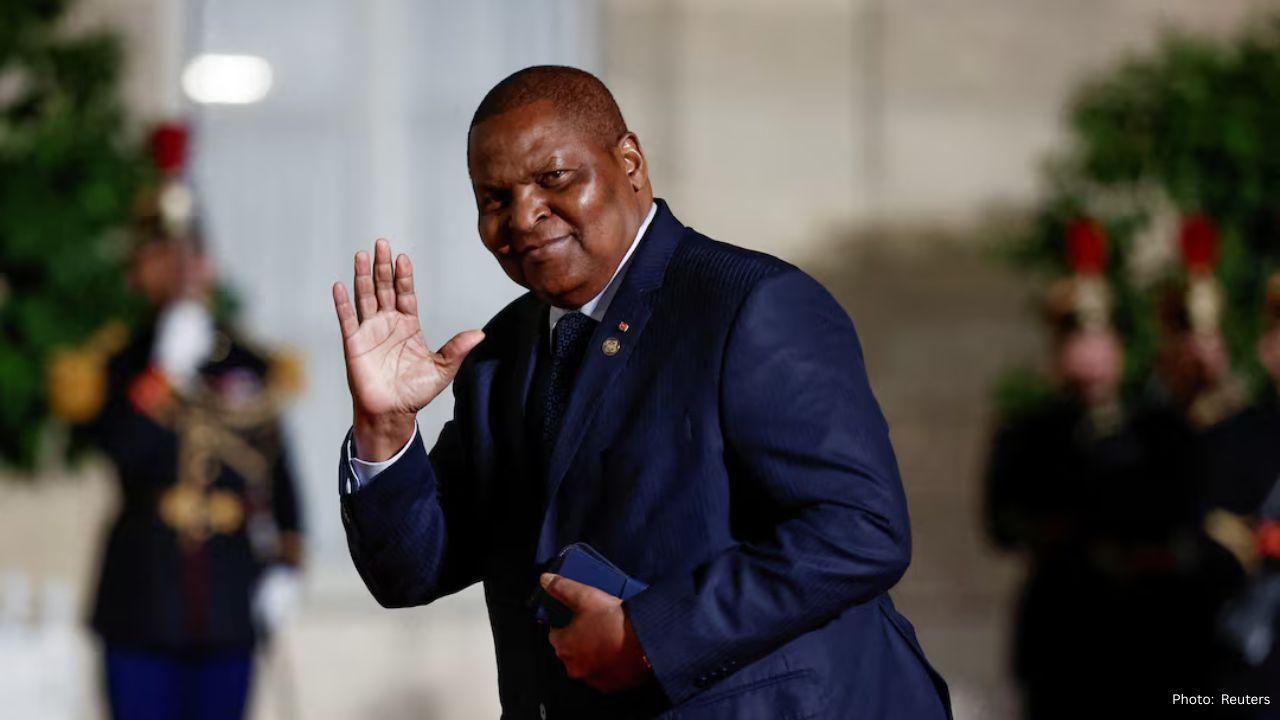
In the Central African Republic, President Faustin-Archange Touadera is striving for a third term as elections approach this weekend. His nearly ten-year tenure has been characterized by foreign intervention, fragile peace, and sluggish economic development.
First elected in 2016, Touadera assumed office during a period of significant instability, with various armed groups controlling vast territories and the government struggling to operate outside the capital. He has leaned heavily on international partnerships, particularly with Russia and Rwanda, to establish basic security.
This year, Touadera facilitated a constitutional referendum that eliminated presidential term limits, paving the way for his re-election bid. Critics argue this weakens the democratic framework in a nation haunted by political unrest. Conversely, supporters claim it is crucial for maintaining stability while the country slowly recovers.
A pivotal moment in his leadership came with the introduction of Russian security personnel in 2018, including Wagner Group mercenaries. This marked the Central African Republic as the first in the region to embrace such security measures, which have since been mirrored by Mali, Burkina Faso, and Niger. In return for its support, Russia has gained mining rights to the nation’s valuable resources.
In an effort to portray himself as a progressive leader, Touadera led Central African Republic in becoming the first African nation to recognize bitcoin as legal tender. Additionally, recent agreements have been made to introduce Starlink satellite internet, aiming to improve connectivity in a country with inadequate infrastructure.
During campaign events, Touadera emphasizes the advancements in security, claiming safer travel conditions and a decline in violence since his administration began. The presence of Rwandan troops and recent peace agreements with several rebel factions have contributed to a decrease in hostilities in certain areas, fostering a reported economic growth rate of approximately 3% according to international assessments.
Nevertheless, experts caution that this newfound peace is precarious. Rebel factions have not completely disarmed, reintegration initiatives are ongoing, and conflicts instigated by Sudan continue to pose risks for eastern regions. Human rights organizations have accused foreign militants, including Russian personnel, of committing serious violations like torture and executions.
Security remains the paramount concern for voters, with many calling for peace, infrastructural development, and essential services. Life remains challenging, as two-thirds of citizens live in extreme poverty, and youth unemployment is rampant.
However, the backing from Russia comes at a significant cost. Reports indicate that Russian-affiliated entities have reaped billions from Central African Republic's gold resources. Concerns have arisen regarding corruption tied to Touadera’s cryptocurrency ventures, which might expose the nation to criminal elements.
Despite potential investments, the mining sector continues to operate mostly illegally and is fraught with dangers. Kidnappings and extortion incidents are frequent, prompting advisories from foreign governments about severe risks in the industry. Economic reforms implemented thus far have not significantly alleviated the hardships faced by many families.
Most analysts suggest that Touadera is likely to secure victory, bolstered by substantial state resources and a fragmented opposition. Nonetheless, this election brings forth a critical question: can a stability reliant on foreign intervention and resource extraction truly provide peace, jobs, and dignity for the average citizen?
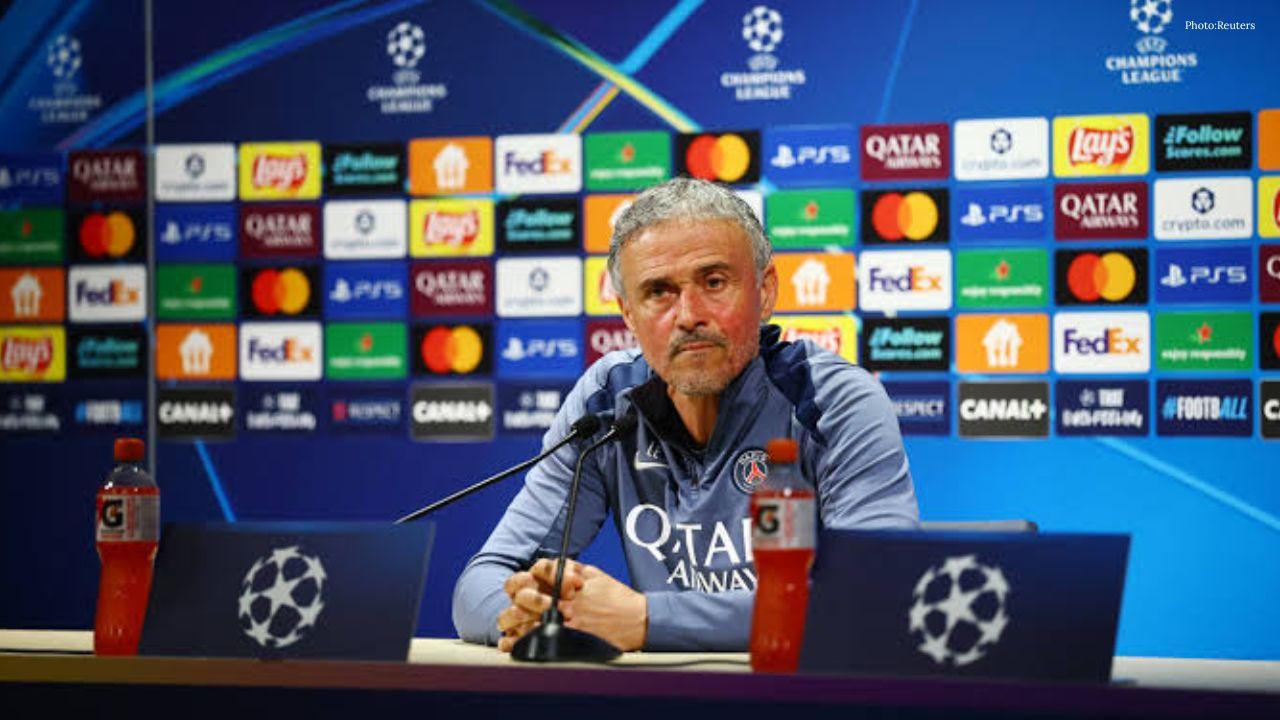






PSG Coach Luis Enrique Urges Players to Step Outside Comfort Zone
PSG coach Luis Enrique says players must leave their comfort zone and keep improving as the club tar

China’s Tiangong Sets New 400m Record at Robot Olympics
China’s Tiangong robot sets a new 400m record at the Robot Olympics, beating a South African robot i

George Russell Wins Dutch GP Sprint, Boosts Mercedes Morale
George Russell wins the Dutch GP Sprint from pole as Mercedes teammate Kimi Antonelli extends his F1
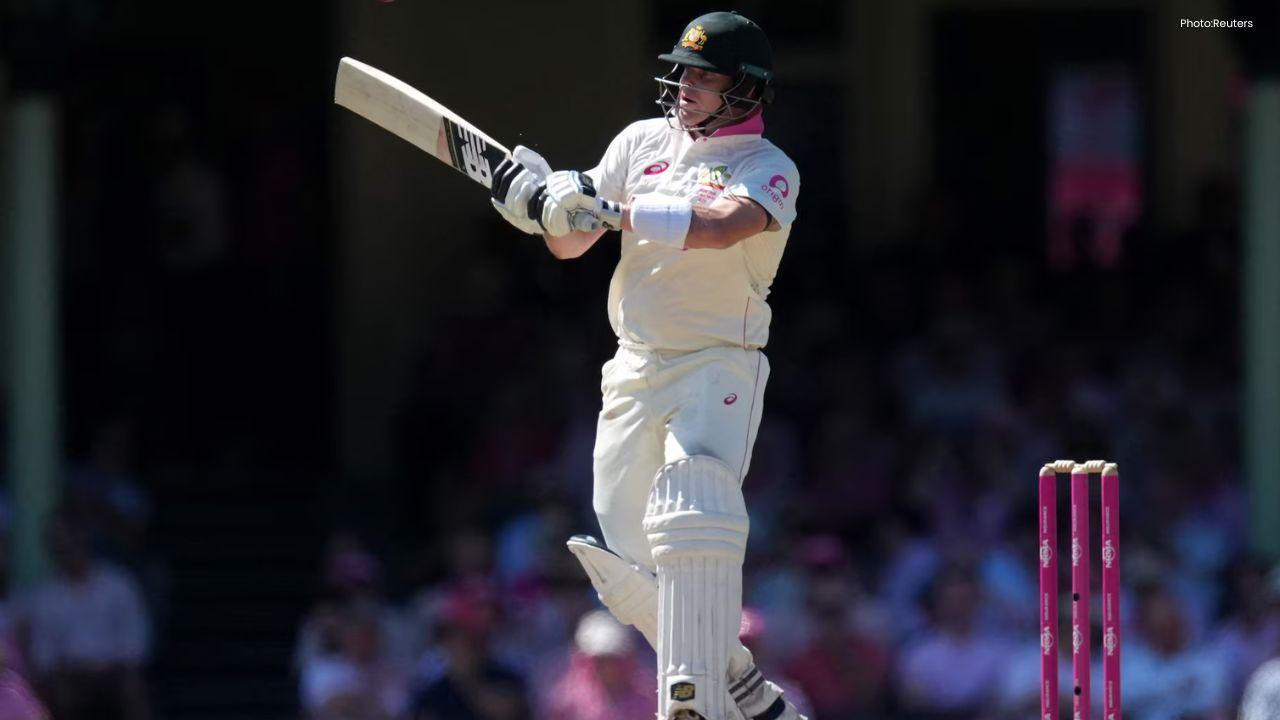
Australia 50/3 After Bangladesh Bowled Out for 64 in Second Test
Australia reached 50/3 after Bangladesh were bowled out for 64 in the second Test, with Mitchell Sta

Jordan Burroughs Returns to Wrestling with 2028 Olympic Dream
Jordan Burroughs returns to wrestling with Real American Freestyle as the Olympic champion eyes a po

Lamborghini Catches Fire on Singapore's ECP, Causing Heavy Traffic
A Lamborghini caught fire on Singapore's ECP, causing heavy traffic and bus delays. No injuries were