
You have not yet added any article to your bookmarks!
Join 10k+ people to get notified about new posts, news and tips.
Do not worry we don't spam!
Post by : Shweta
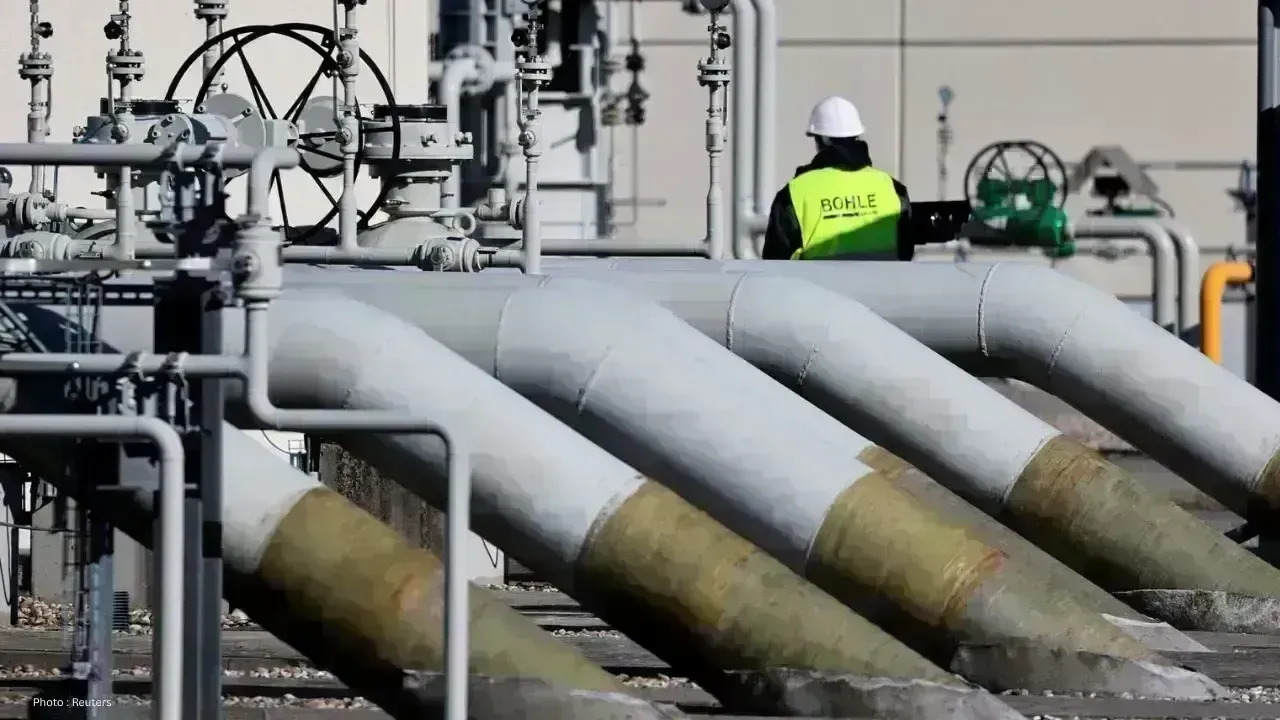
In a significant development for Canada's energy landscape, Prime Minister Mark Carney has pledged support for a transformative pipeline project intended to transport oil from Alberta to the western coast. This decision follows discussions between Carney and Alberta Premier Danielle Smith, with efforts underway to secure construction authorization by September 2027.
The proposed pipeline aims to facilitate the export of Alberta's oil to British Columbia, thereby diversifying reach to Asian markets and reducing reliance on U.S. exports. Proponents state that enhancing Canada’s energy infrastructure could foster economic growth and bolster national energy autonomy, especially with strong global oil demand anticipated for the upcoming decades, particularly from Asia.
Additionally, Alberta's government emphasizes that the initiative will be co-owned by Indigenous groups, ensuring their involvement throughout the development and operational phases. Central to the proposal are commitments to Indigenous leadership, environmental safeguards, marine safety, and state-of-the-art monitoring technologies.
The arrangement reportedly encompasses backing from Carney's administration alongside measures to mitigate the regulatory hurdles that have previously hindered similar pipeline ventures. Potential future adjustments might also include reconsiderations regarding tanker restrictions on British Columbia’s northern shoreline and certain federal emissions regulations.
However, environmental advocates and some political figures in British Columbia have raised serious concerns. Critics highlight that the project could escalate climate risks and provoke environmental issues in coastal areas, along with potential legal conflicts over Indigenous land rights and necessary consultations. Environmental organizations have cautioned that ramping up oil production contradicts Canada’s climate objectives.
Furthermore, British Columbia Premier David Eby has expressed his apprehensions regarding the lack of full participation from the province in these discussions, insisting that both British Columbia and coastal Indigenous communities must be integrally involved in future dialogues, as the pipeline could significantly impact local environments and economies.
Despite ongoing critiques, the Alberta government frames the project as a promising opportunity for national growth. Previous estimates concerning similar proposals have indicated that the pipeline could yield billions in annual revenue and create numerous jobs over its lifespan. Detailed plans and technical evaluations from Alberta are expected to be presented to federal authorities by July 2026 as part of the official review process.
This pipeline project quickly ascended to a focal point in Canada’s political and economic discourse. While supporters advocate for its potential to enhance Canada’s energy profile and lessen dependence on America, detractors raise alarms about environmental hazards and the financial unpredictability associated with the global shift towards sustainable energy sources. Anticipation builds for further discussions involving Ottawa, Alberta, British Columbia, Indigenous groups, and energy stakeholders as the project enters the crucial review stage.










PM Modi Pays Tribute to Mahatma Gandhi, Urges People to Support Khadi
PM Modi pays tribute to Mahatma Gandhi on Gandhi Jayanti and urges citizens to support Khadi and the

Amazon Seeks to Offload $8 Billion in Nvidia Chips to Investors
Amazon plans to move $8 billion in Nvidia chips to investors, using a new financing model to strengt

Samsung Raises Galaxy S26 Prices as Memory Chip Costs Rise
Samsung raises Galaxy S26 prices in South Korea as rising memory chip costs put pressure on smartpho

Lewis Hamilton Calls Singapore Grand Prix One of F1's Toughest Races
Lewis Hamilton discusses the demanding Singapore Grand Prix and brings Plus44 and Almave to Singapor

Denmark's Pandora Opens World's Largest Jewellery Factory in Vietnam
Pandora opens its largest jewellery factory in Vietnam, expanding global production, strengthening s

Gautam Gambhir Questions Batting-Friendly Pitches After India's Record ODI Chase
Gautam Gambhir questions batting-friendly ODI pitches after India’s record chase, calling for a bett

