
You have not yet added any article to your bookmarks!
Join 10k+ people to get notified about new posts, news and tips.
Do not worry we don't spam!
Post by : Badri Ariffin
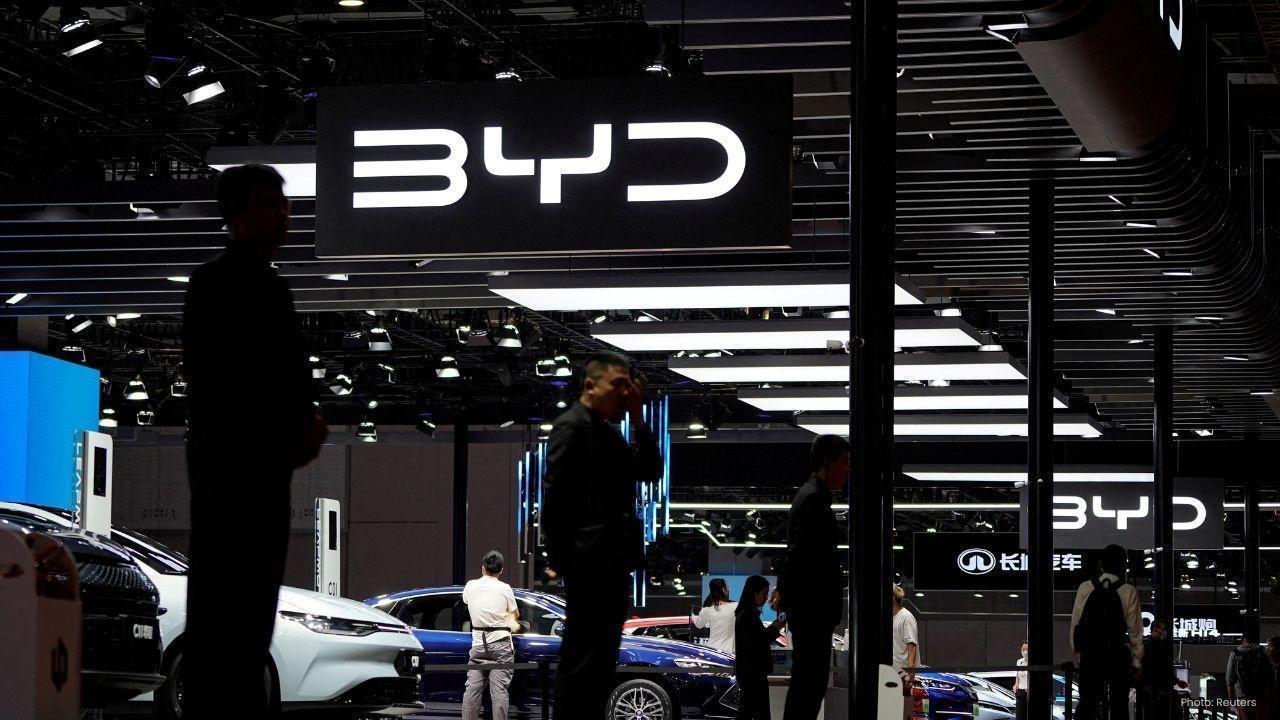
China’s electric vehicle giant BYD is signaling a major change in how it pays its suppliers, moving away from its self-created Dilian electronic IOUs toward traditional bank notes and commercial paper. The move marks a notable shift in a practice that once helped BYD grow rapidly but drew criticism for putting suppliers under financial stress.
Dilian: BYD’s Cost-Control Tool
Launched in 2018, Dilian allowed BYD to issue electronic promissory notes to pay suppliers. This system enabled the automaker to maintain a tight grip on cash, reducing reliance on external funding and cutting working capital costs. Suppliers, however, faced long payment cycles, sometimes extending up to a year, and fees if they wished to cash in notes early. By comparison, typical bank notes carry lower discount rates, making them more supplier-friendly.
Industry Pressures and Regulatory Changes
The shift comes amid a brutal price war in China’s auto industry. BYD suppliers have reported mounting pressure to cut prices and accept delayed payments. Authorities recently introduced rules requiring automakers to pay suppliers within 60 days and restricting non-cash payments like electronic IOUs. Despite these rules, some loopholes remain, such as delays tied to the acknowledgment of goods, leaving suppliers vulnerable.
Impact on BYD’s Operations
BYD has been under pressure itself. Domestic sales fell 12% in October, and the company’s market share dropped from 19.1% to 13.2% year-on-year. Revenue slipped 3% in the latest quarter, while profits fell by one-third, marking the first revenue decline in over five years. Analysts note that moving away from Dilian may increase BYD’s immediate cash outflow, potentially complicating its aggressive expansion and new model rollouts.
The Supplier Perspective
For parts makers, the change could bring welcome relief. Dilian notes, although widely accepted within BYD’s ecosystem, were perceived as carrying higher default risk and often required discounts of up to 6% for early cashing. Bank notes and commercial paper, by contrast, generally involve lower costs and quicker liquidity.
A Turning Point for Supply Chains
The transition signals BYD’s attempt to balance supplier relations with its own financial strategy. By shifting to more regulated and transparent payment methods, the automaker could stabilize its supply chain and comply better with tightening regulations, even as it navigates slower sales and rising competition in China’s EV market.










PM Modi Pays Tribute to Mahatma Gandhi, Urges People to Support Khadi
PM Modi pays tribute to Mahatma Gandhi on Gandhi Jayanti and urges citizens to support Khadi and the

Amazon Seeks to Offload $8 Billion in Nvidia Chips to Investors
Amazon plans to move $8 billion in Nvidia chips to investors, using a new financing model to strengt

Samsung Raises Galaxy S26 Prices as Memory Chip Costs Rise
Samsung raises Galaxy S26 prices in South Korea as rising memory chip costs put pressure on smartpho

Lewis Hamilton Calls Singapore Grand Prix One of F1's Toughest Races
Lewis Hamilton discusses the demanding Singapore Grand Prix and brings Plus44 and Almave to Singapor

Denmark's Pandora Opens World's Largest Jewellery Factory in Vietnam
Pandora opens its largest jewellery factory in Vietnam, expanding global production, strengthening s

Gautam Gambhir Questions Batting-Friendly Pitches After India's Record ODI Chase
Gautam Gambhir questions batting-friendly ODI pitches after India’s record chase, calling for a bett

