
You have not yet added any article to your bookmarks!
Join 10k+ people to get notified about new posts, news and tips.
Do not worry we don't spam!
Post by : Rohit Dhiman
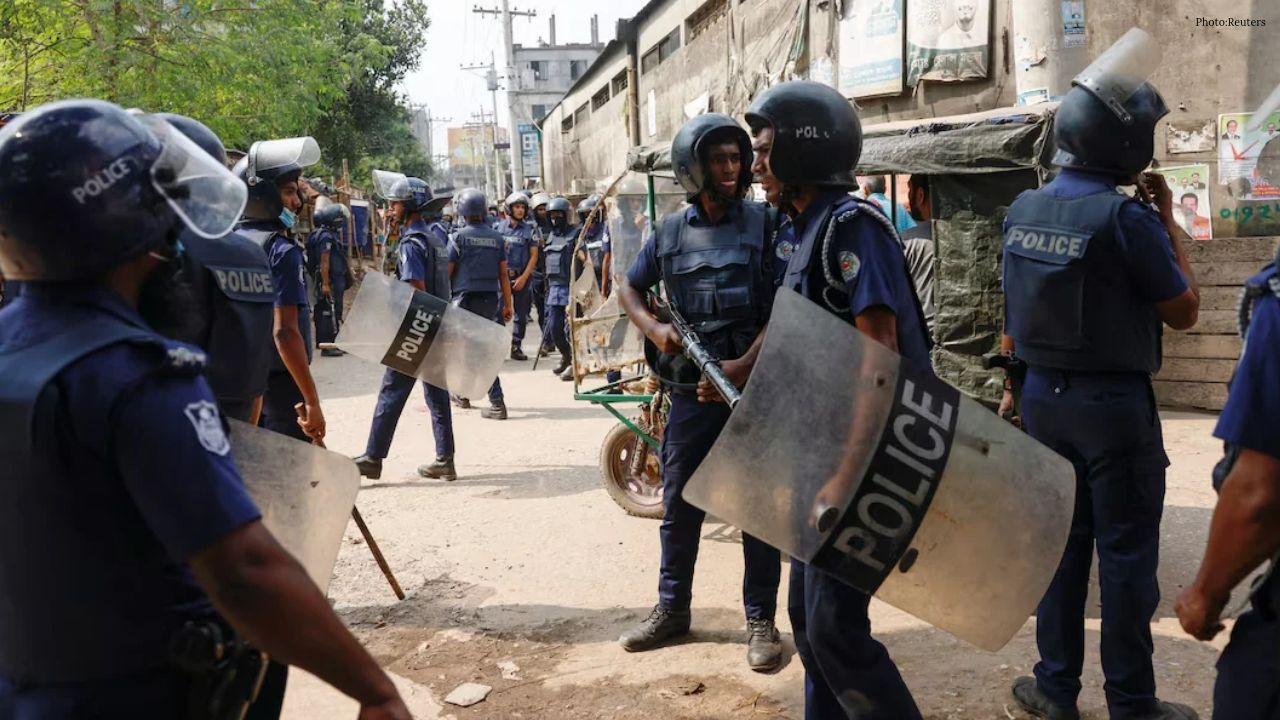
Thousands of garment workers in Bangladesh have taken to the streets to demand higher wages, better financial conditions and relief from the rising cost of living. Demonstrations in the capital, Dhaka, and other major industrial areas have escalated into clashes with police, disrupting transportation and manufacturing operations. The protests intensified on November 1, when workers gathered in several locations across Dhaka and neighbouring industrial districts. Demonstrators blocked roads and major intersections, demanding an increase in their monthly minimum wage to help them manage increasing expenses for food, housing, transportation and healthcare. Police used tear gas and water cannons to disperse protesters after some demonstrators reportedly threw bricks at officers. Authorities also deployed Border Guard Bangladesh personnel to maintain order in affected industrial areas. The unrest has raised concerns about the country's garment manufacturing sector, which plays a central role in Bangladesh's economy and supplies clothing to major international fashion brands.
At the centre of the protests is the demand for a substantial increase in the minimum monthly wage. Garment workers are demanding a minimum salary of 30,000 Bangladeshi taka, approximately $245, compared with the existing minimum wage of 12,500 taka, or around $102. Workers argue that their current salaries are no longer sufficient to cover basic household expenses. Rising prices of essential goods and services have significantly reduced their purchasing power, making it increasingly difficult for employees to support their families. Food, rent, transportation, medical expenses and children's education are among the major financial pressures cited by workers. Many employees in the garment industry depend heavily on their monthly salaries to meet everyday needs. Workers say that although the cost of living has increased considerably, their wages have not kept pace with the financial pressure faced by households. The demand for a minimum salary of 30,000 taka would more than double the existing minimum wage, making it a significant issue for both workers and factory owners.
The demonstrations have caused widespread disruption across Bangladesh's garment manufacturing areas. According to the Bangladesh Garment Manufacturers and Exporters Association, the unrest forced 529 garment factories to suspend operations and affected approximately 987,190 workers across major industrial hubs. The shutdowns have disrupted production schedules and raised concerns about the timely delivery of clothing orders to international buyers. The unrest began with demonstrations in Ashulia, a major garment manufacturing area located near Dhaka. Several factories suspended operations after workers walked out demanding better wages. Protests later spread to other industrial locations, including Gazipur and areas within Dhaka. Workers blocked major roads and intersections, creating traffic congestion and affecting transportation in important manufacturing zones. The demonstrations also resulted in damage to police facilities and vehicles in some locations. Authorities faced difficulties maintaining normal movement as protesters continued to gather at key intersections.
Tensions increased when police attempted to remove demonstrators from blocked roads and restore traffic movement. Authorities used tear gas and water cannons to disperse workers in Dhaka and surrounding industrial areas. Some protesters reportedly threw bricks at police officers during confrontations. A police vehicle and a police box were set on fire in separate incidents during the unrest, according to reports. The demonstrations also affected transportation around important industrial locations. Hundreds of workers blocked roads in Gazipur, disrupting traffic in one of Bangladesh's major manufacturing belts. Security personnel, including Border Guard Bangladesh members, were deployed to help control the situation. The clashes followed earlier demonstrations in Ashulia, where factory operations were suspended and several people, including police personnel, were reported injured.
In response to the growing unrest, Bangladesh's government announced the formation of a six-member wage board on November 1 to review salaries in the garment sector. The board includes representatives of workers and factory owners, along with government and independent representatives. The decision followed discussions between labour representatives, industry leaders and government officials. Labour and Employment Minister Ariful Haque Chowdhury urged workers to return to their factories, stating that the government had taken their wage demands seriously and established the board to review the existing pay structure. The board is expected to examine the current minimum wage and recommend revised salary levels for garment workers. However, the announcement did not immediately bring the protests to an end. Thousands of workers continued demonstrations despite the government's decision. The government has urged employees to resume production while the wage review process moves forward.
Bangladesh's textile and ready-made garment industry is one of the most important sectors of the country's economy. The industry employs approximately four million workers and accounts for more than 80 per cent of Bangladesh's export earnings. It also contributes around 10 per cent to the country's gross domestic product. Bangladesh is the world's second-largest apparel exporter after China and supplies clothing to major international markets. The industry has played a significant role in generating employment, supporting households and strengthening the country's export economy. However, the sector is facing several challenges, including rising manufacturing costs, energy shortages and pressure from international competition. Factory owners have warned that a substantial wage increase could create additional financial pressure on manufacturers, particularly those already struggling with higher operating costs. The ongoing dispute has therefore become a major economic issue, involving workers' financial needs, factory owners' business concerns and the government's responsibility to maintain industrial stability.
The continuing unrest has raised concerns among manufacturers and international buyers about potential disruptions to global clothing supply chains. Bangladesh exports garments to numerous countries and supplies products to major international fashion retailers. Factory shutdowns can affect production schedules, shipment deadlines and payments from overseas buyers. Labour and Employment Minister Ariful Haque Chowdhury has warned that prolonged disruptions could delay export shipments and payments, creating further difficulties for businesses and workers. Manufacturers are concerned that continued instability could affect buyer confidence and encourage international companies to consider alternative manufacturing locations. The sector is particularly sensitive to disruptions because international clothing orders often depend on strict production and delivery schedules.
Read Also: Erik ten Hag Warns Manchester United Face Real Relegation Risk
The protests in Bangladesh reflect the growing financial pressure faced by workers in labour-intensive industries. Employees are demanding wages that better reflect the increasing cost of essential goods and services. The dispute has brought attention to the gap between workers' earnings and household expenses, particularly in manufacturing sectors where employees depend on fixed monthly salaries. The government's wage board is expected to play an important role in determining whether workers receive a revised minimum salary.






APEC Members Emphasise Safe and Responsible Use of Artificial Intelligence
APEC members discuss responsible AI use, digital innovation and data governance as China and the US

Union of European Clubs Challenge UEFA and EFC Over EU Competition Rules
UEC files an EU competition complaint against UEFA and EFC, challenging club representation, governa

Mohammed Shami Retires From Test Cricket, Eyes White-Ball Career
Mohammed Shami retires from Test cricket after 13 years, with 229 wickets. He will continue playing

Singapore Warns Users About Privacy and Security Risks of AI Agents
Singapore warns users about AI agent security risks, data privacy, online scams and unauthorised acc
Chris Lynn Completes One-Month Ban After Positive Cocaine Test
Australian cricketer Chris Lynn completes a one-month ban after a positive cocaine test during the T

Djokovic Eyes Strong Season Finish as Health Improves Ahead of Paris Masters
Novak Djokovic reports improved health and performance as he targets a strong Paris Masters finish a