You have not yet added any article to your bookmarks!
Join 10k+ people to get notified about new posts, news and tips.
Do not worry we don't spam!
Post by : Anis Farhan
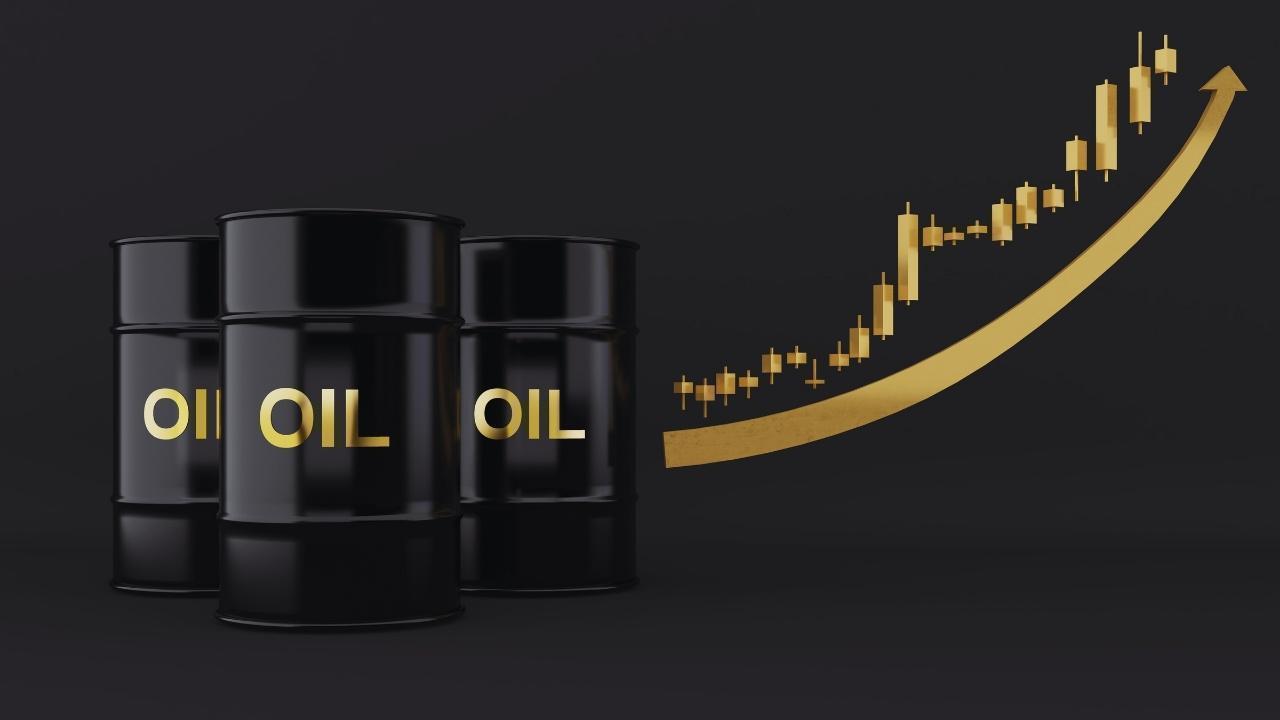
For decades, global oil markets have been defined by Middle Eastern supply and Western consumption. Today, the dynamics are shifting rapidly. Asia, led by China and India, has become the epicenter of oil demand growth, while the Americas, particularly the United States and Brazil, are emerging as dominant suppliers. This divergence is creating a complex global oil landscape where prices are increasingly influenced by Asia’s thirst for energy and the Americas’ production surge. Understanding this balance is critical for policymakers, businesses, and consumers alike as the world transitions toward renewable energy while still relying heavily on oil.
Asia is now the world’s largest oil-consuming region, accounting for nearly half of global demand. China’s industrial rebound, India’s rapid economic expansion, and Southeast Asia’s growing transportation needs are driving this surge. Despite commitments to renewable energy, fossil fuels remain the backbone of Asia’s energy mix. Rising middle-class populations, increasing vehicle ownership, and expanding industries ensure that oil demand will stay strong for the foreseeable future.
China remains the single largest incremental source of global oil demand. Its refineries have been ramping up output to meet domestic consumption and export refined products across Asia. Even as Beijing pushes aggressively for electric vehicles and clean energy, oil remains critical for aviation, shipping, and heavy industries. Recent indicators show a strong rebound in fuel demand, reinforcing China’s role as the main anchor for oil consumption growth.
India’s oil demand is expected to grow faster than any other major economy over the next decade. With rising urbanization, increasing car ownership, and strong economic growth, India is becoming a key driver of global consumption. New refineries, storage facilities, and strategic petroleum reserves are being built to keep pace with the growing appetite. This makes India not only a major consumer but also a strategic player in shaping long-term oil trade flows.
Beyond China and India, countries such as Indonesia, Vietnam, and the Philippines are experiencing steady oil demand growth. Rapid industrialization, expanding logistics networks, and population growth fuel energy needs, keeping the region firmly dependent on imports. This ensures that Asia as a whole will remain the world’s demand hub, even as it invests heavily in renewable alternatives.
While Asia dominates demand, the Americas are surging ahead on the supply side. The United States, now the world’s top oil producer, continues to increase output through shale production. Brazil has expanded its offshore drilling operations, becoming a major exporter. Guyana, once insignificant in the global oil map, is emerging as a new powerhouse with vast offshore discoveries. Collectively, these supply sources are reshaping trade patterns, reducing reliance on Middle Eastern oil, and putting downward pressure on prices.
Despite cyclical downturns, U.S. shale has proven remarkably resilient. Advances in drilling technology and efficiency have kept costs competitive, ensuring steady growth in production. Shale output has made the U.S. a net exporter of oil and refined products, giving Washington greater leverage in energy geopolitics. The reliability of U.S. shale supply also provides stability for global markets, even when geopolitical tensions rise elsewhere.
South America is quickly becoming a critical oil supplier. Brazil’s pre-salt offshore fields are delivering strong production, while Guyana’s massive reserves, developed with international partners, are transforming its economy. Both countries are expected to significantly expand their exports, much of which is destined for Asian markets. This growing link between South American supply and Asian demand is altering the traditional East-West energy flow.
The interplay between Asian demand and American supply is creating a delicate balance in oil markets. When Asia’s demand accelerates, prices tend to rise, but surging U.S. and South American supply prevents them from spiking uncontrollably. This tug-of-war has stabilized global prices within a certain band, offering predictability but also keeping markets sensitive to disruptions. Any slowdown in Asia’s demand or unexpected supply cuts could quickly tilt this balance, causing price volatility.
Energy has always been a geopolitical tool, and the current dynamics are no exception. The U.S. is leveraging its supply dominance to strengthen ties with Asian buyers, while South American producers are forging new partnerships across the Pacific. Meanwhile, OPEC+ nations, led by Saudi Arabia and Russia, face increasing competition as buyers diversify their sources. This geopolitical rebalancing is reshaping alliances and influencing everything from trade policies to military strategies.
Despite being the demand hub, Asia remains vulnerable due to its dependence on imports. Energy security is a top concern for China, India, and Southeast Asia, leading them to diversify suppliers and build strategic reserves. Long-term contracts with U.S., Brazilian, and Middle Eastern producers provide some stability, but Asia’s reliance on seaborne oil makes it sensitive to disruptions in maritime routes like the Strait of Malacca and the South China Sea.
While the world talks about transitioning to renewable energy, oil remains indispensable. Asia is investing heavily in solar, wind, and hydrogen, yet fossil fuels are expected to dominate its energy mix for decades. Similarly, the U.S. and Brazil are pursuing green energy but continue to bank on oil revenues. This dual path highlights the complexity of balancing short-term energy needs with long-term sustainability goals.
Looking ahead, the balance between Asia’s demand and the Americas’ supply will continue to set the tone for oil markets. If Asia’s economies keep expanding, demand will grow steadily, but abundant supply from the Americas could cap price increases. However, disruptions — whether geopolitical conflicts, natural disasters, or regulatory shifts — could upend this fragile equilibrium. For investors, policymakers, and consumers, staying alert to these dynamics is essential.
The global oil market is at a crossroads, shaped by Asia’s insatiable demand and the Americas’ expanding supply. This dynamic is stabilizing prices for now but carries long-term uncertainties. The interplay between economic growth, technological advances, and geopolitical maneuvers will decide whether oil remains the backbone of global energy or gradually yields to cleaner alternatives. Until then, Asia and the Americas will remain the twin pillars of the world’s oil equation.
This article is a researched editorial feature by Newsible Asia. While efforts have been made to ensure accuracy, global oil markets are subject to rapid changes. Readers are encouraged to follow multiple sources for the latest updates.








Jordan Burroughs Returns to Wrestling with 2028 Olympic Dream
Jordan Burroughs returns to wrestling with Real American Freestyle as the Olympic champion eyes a po

Lamborghini Catches Fire on Singapore's ECP, Causing Heavy Traffic
A Lamborghini caught fire on Singapore's ECP, causing heavy traffic and bus delays. No injuries were

Bangkok Airport Duty-Free Area Flooded by Pipe Burst
A burst water pipe flooded the duty-free shopping area at Bangkok's Suvarnabhumi Airport on July 16,
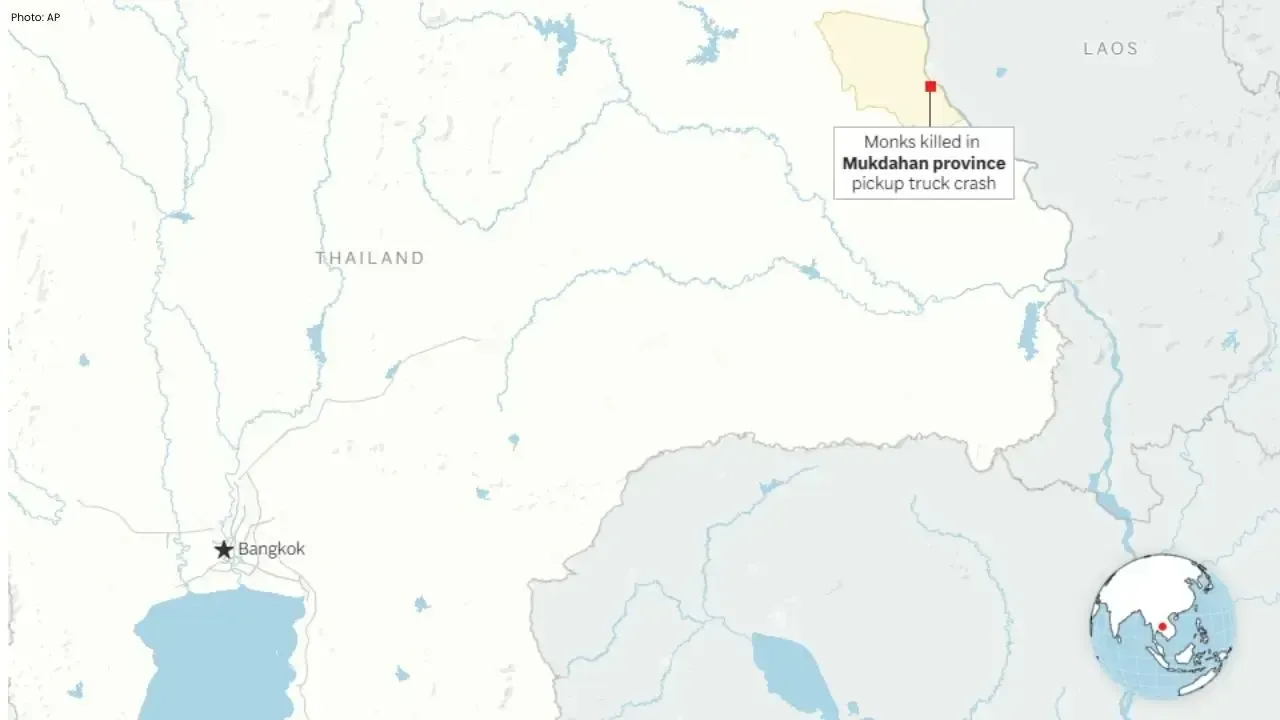
Nine Monks Killed in Thailand Pickup Truck Tragedy
An 11-year-old boy driving a pickup truck crashed into monks during a pilgrimage in northeastern Tha
Anwar Congratulates Xi on CPC's 105th Anniversary
Malaysia reaffirms strong ties with China as PM Anwar Ibrahim sends a congratulatory letter to Presi

Thai Agriculture Team Reviews 2026 Farm Development Plans
Agriculture Ministry officials inspected livestock and organic rice projects in Nakhon Sawan to moni