
You have not yet added any article to your bookmarks!
Join 10k+ people to get notified about new posts, news and tips.
Do not worry we don't spam!
Post by : Badri Ariffin
ADNOC has made a significant stride in its sustainable financing efforts by obtaining a $2 billion green loan facilitated by the Korea Trade Insurance Corporation (K-SURE). This pivotal agreement increases the energy company’s total green funding to $5 billion within a mere 18 months, underscoring its commitment to lower-carbon investments and future-oriented energy solutions.
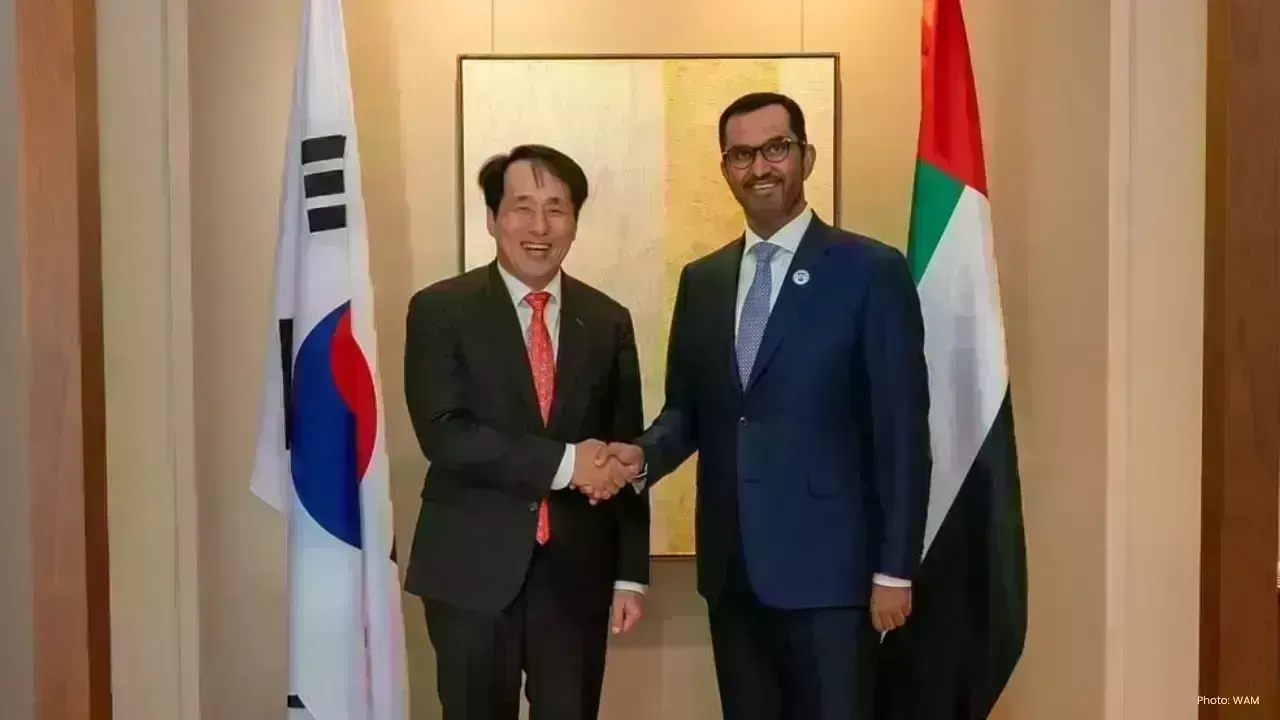
The announcement coincided with Dr. Sultan Al Jaber's visit to South Korea, the Minister of Industry and Advanced Technology and ADNOC’s Managing Director and Group CEO. During his visit, he engaged with K-SURE President Youngjin Jang to formalize this partnership and promote economic collaboration between the UAE and South Korea.
Funding Meets Global Sustainability Standards
The $2 billion loan falls within ADNOC’s Sustainable Finance Framework, directing funds to projects that satisfy established environmental and sustainability standards. Sustainable Fitch has provided an independent Second Party Opinion, validating that the framework adheres to global sustainable finance principles, a vital aspect for ensuring transparency and gaining lender trust.
This loan represents ADNOC's inaugural cooperation with a Korean export credit agency, following a previous $3 billion agreement finalized with the Japan Bank for International Cooperation (JBIC) in 2024. Together, these partnerships highlight ADNOC's robust history in green financing and enhance its competitive edge in future sustainable debt markets.
Capitaling Decarbonisation and Energy Initiatives
Khaled Al Zaabi, ADNOC’s Group Chief Financial Officer, noted that the collaboration with K-SURE broadens access to sustainable financing while fortifying economic ties with South Korea. First Abu Dhabi Bank has been designated the Green Loan Coordinator, with Santander acting as the export credit agency coordinator.
ADNOC has pledged to lower its operational carbon intensity by 25% by 2030, directing approximately $23 billion towards decarbonization and new energy projects. This includes ventures in hydrogen, geothermal, renewables, and technologies designed to decrease emissions across its core operations.
Funds derived from this new facility are expected to back such initiatives, providing essential infrastructure for lower carbon and emission-reduction technologies. The ECA-supported structure grants ADNOC competitive financing options while maintaining versatility in deploying funds across a diverse array of approved projects.
Bolstering Global Collaborations for Sustainable Energy
The agreement illustrates ADNOC's ambition to blend growth with responsible energy transition initiatives. By concentrating on certified green financing and international partnerships, ADNOC is likely positioning itself as a leading supplier of lower-carbon energy while simultaneously enhancing global investment relationships.
In summary, this K-SURE-backed loan reinforces ADNOC’s green capital framework and its long-term decarbonization goals, contributing to a sustainable energy ecosystem as the company adapts its portfolio.
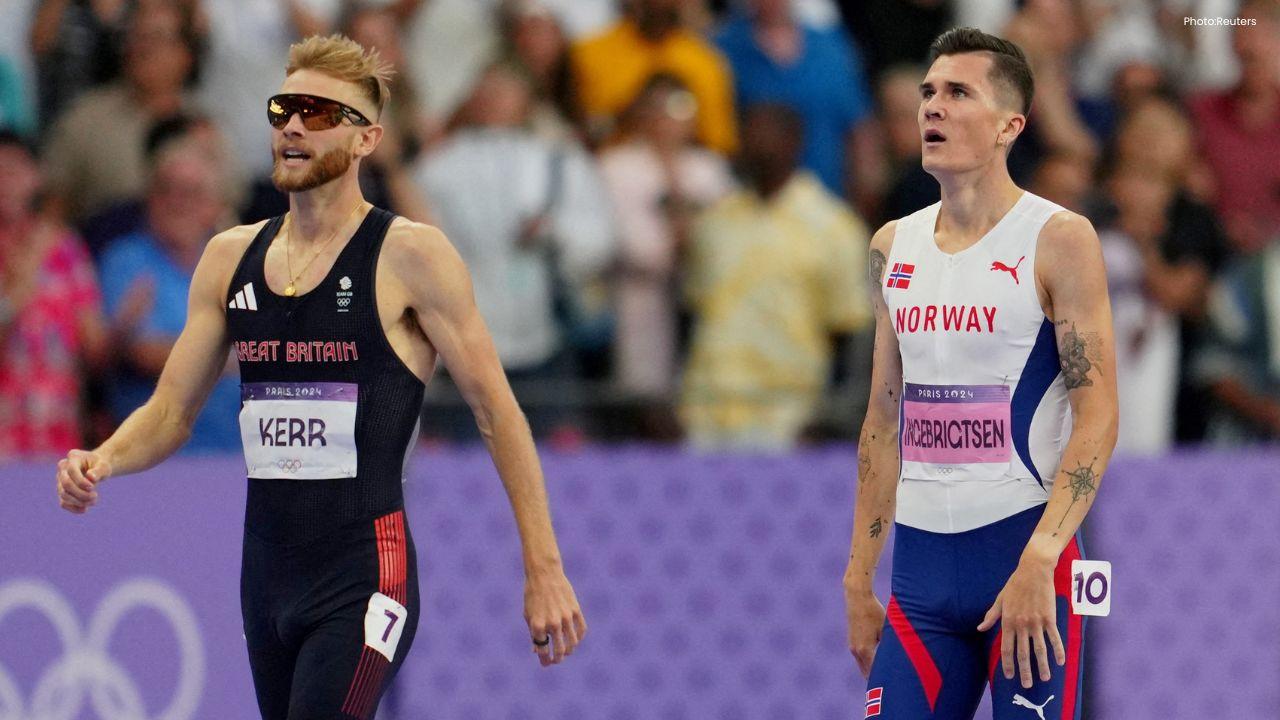



Josh Kerr and Jakob Ingebrigtsen Set for 1,500m Rivalry Rematch
Josh Kerr and Jakob Ingebrigtsen will renew their 1,500m rivalry at the Ultimate Championship in Bud

PSG Coach Luis Enrique Urges Players to Step Outside Comfort Zone
PSG coach Luis Enrique says players must leave their comfort zone and keep improving as the club tar

China’s Tiangong Sets New 400m Record at Robot Olympics
China’s Tiangong robot sets a new 400m record at the Robot Olympics, beating a South African robot i

George Russell Wins Dutch GP Sprint, Boosts Mercedes Morale
George Russell wins the Dutch GP Sprint from pole as Mercedes teammate Kimi Antonelli extends his F1

Australia 50/3 After Bangladesh Bowled Out for 64 in Second Test
Australia reached 50/3 after Bangladesh were bowled out for 64 in the second Test, with Mitchell Sta

Jordan Burroughs Returns to Wrestling with 2028 Olympic Dream
Jordan Burroughs returns to wrestling with Real American Freestyle as the Olympic champion eyes a po

