
You have not yet added any article to your bookmarks!
Join 10k+ people to get notified about new posts, news and tips.
Do not worry we don't spam!
Post by : Badri Ariffin
Australia is set to implement a significant regulation in the realm of social media, which has met with mixed reactions. Starting December 10, individuals under the age of 16 will be banned from using popular platforms including YouTube, TikTok, Instagram, and Facebook. This measure, designed to safeguard young users from potential online threats, has led to heated discussions about its feasibility and implications.
YouTube has voiced strong opposition to this legislation, labeling it as “rushed” and cautioning that it may inadvertently expose children to greater risks. According to Rachel Lord, the public policy manager for YouTube, many parents and educators share these anxieties. The platform argues that mandatory logouts for users under 16 will hinder access to vital safety features such as wellbeing settings and content filters.
Initially, YouTube was anticipated to receive an exemption for educational content, but in a July revision, the Australian government changed its position, stressing the necessity to protect young users from “predatory algorithms” that foster addictive or harmful usage.
Even though underage users can still browse the site without an account, their experience will be significantly restricted. YouTube has stated it will archive underage accounts, allowing for reactivation once users reach the age of 16, ensuring that their content and data remain intact.
Prime Minister Anthony Albanese has backed the legislation, characterizing social media as “a source of peer pressure, a contributor to anxiety, a medium for scammers, and a weapon for online predators.” Companies that do not adhere to these regulations might face fines that could reach AUD 32 million. Meta has proactively started to deactivate accounts based on the age provided during registration.
Meanwhile, organizations advocating for internet rights are contesting these rules, arguing that they unjustly infringe upon free speech. As Australia embarks on this audacious journey, the international community observes with keen interest, pondering whether blanket bans or more tailored protective measures will define the future of online safety for children.





Hyundai raises profit target, expands hybrid lineup in the US
Hyundai hybrid cars get a major boost as the automaker raises its profit margin target and plans new

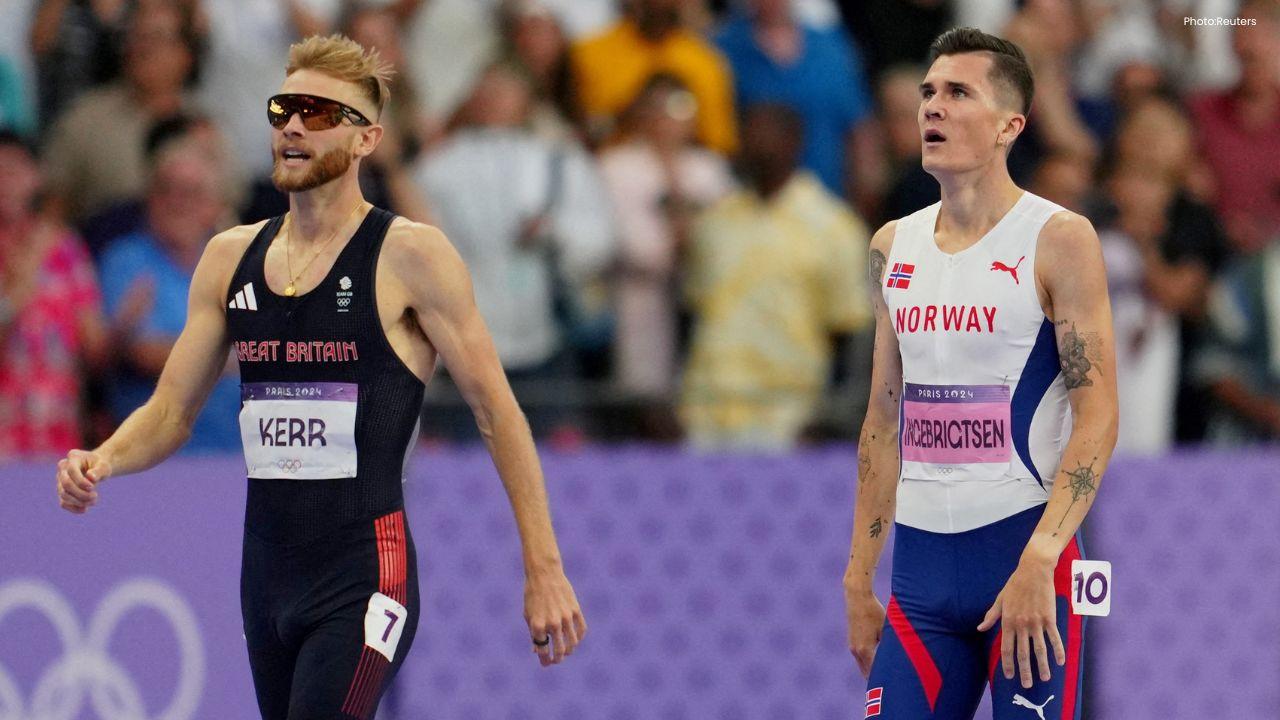
Josh Kerr and Jakob Ingebrigtsen Set for 1,500m Rivalry Rematch
Josh Kerr and Jakob Ingebrigtsen will renew their 1,500m rivalry at the Ultimate Championship in Bud
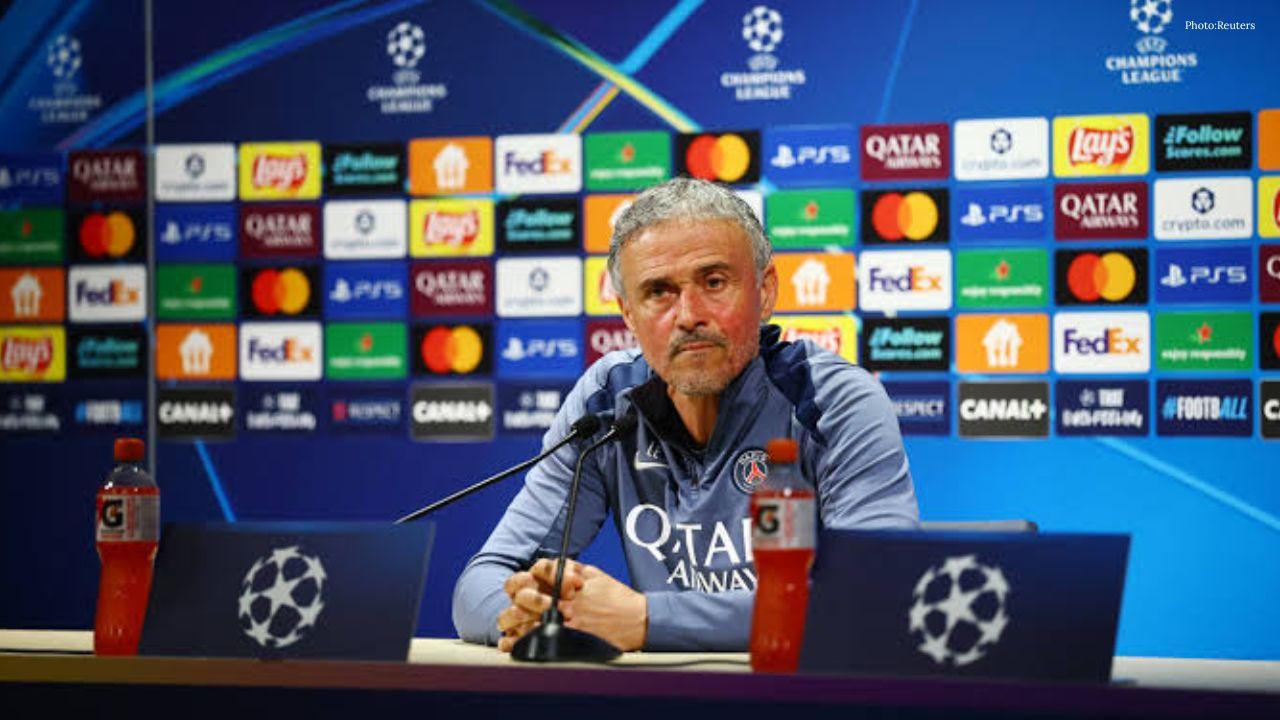
PSG Coach Luis Enrique Urges Players to Step Outside Comfort Zone
PSG coach Luis Enrique says players must leave their comfort zone and keep improving as the club tar
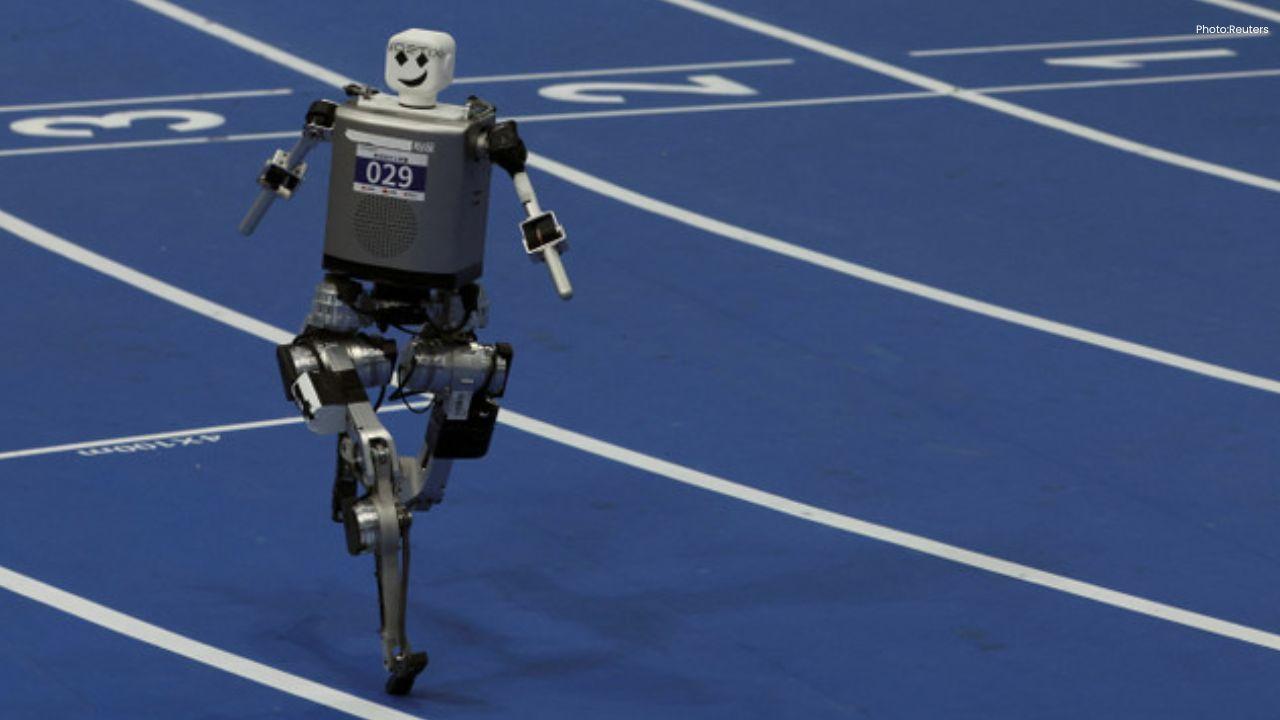
China’s Tiangong Sets New 400m Record at Robot Olympics
China’s Tiangong robot sets a new 400m record at the Robot Olympics, beating a South African robot i

George Russell Wins Dutch GP Sprint, Boosts Mercedes Morale
George Russell wins the Dutch GP Sprint from pole as Mercedes teammate Kimi Antonelli extends his F1

Australia 50/3 After Bangladesh Bowled Out for 64 in Second Test
Australia reached 50/3 after Bangladesh were bowled out for 64 in the second Test, with Mitchell Sta

