You have not yet added any article to your bookmarks!
Join 10k+ people to get notified about new posts, news and tips.
Do not worry we don't spam!
Post by : Laxmi Verma
In today’s hyper-connected digital age, why data privacy matters more than ever is no longer just a question for tech experts or cybersecurity professionals. It’s a critical concern for everyone—from the casual smartphone user to the corporate decision-maker. Every click, every search, every online purchase leaves a data trail. And while digital convenience has improved our lives, it has also introduced unprecedented risks to our personal privacy.
Whether it's targeted ads following you across the internet, identity theft, or massive data breaches affecting millions, the threat to our digital identities has grown exponentially. As we rely more heavily on technology, the importance of protecting our data is not just a matter of preference—it's a matter of necessity.
With every device we use, from smartphones to smart home assistants, we’re generating massive amounts of data. Social media platforms, shopping websites, mobile apps, fitness trackers, and even your car collect information about you—often in ways you may not even be aware of.
This data includes everything from your location and interests to your financial behavior and health records. And while much of this information is used to improve user experience, it is also collected, stored, shared, and sometimes sold to advertisers, data brokers, and third parties. That’s where the concern begins.
Understanding why data privacy matters more than ever starts with recognizing just how much of your life is exposed online—and how little control you may have over it.
In today’s economy, personal data is more valuable than oil. Corporations use it to optimize advertising strategies, influence consumer behavior, and train artificial intelligence systems. Governments may use it for surveillance, and cybercriminals exploit it for fraud, phishing attacks, and identity theft.
With so much at stake, your personal data has become a prime target. High-profile data breaches—like those involving Facebook, Equifax, or even government agencies—have compromised the personal information of millions. In many cases, affected individuals weren’t even aware their data was at risk until it was too late.
This growing risk is why data privacy matters more than ever, especially when breaches can impact your finances, reputation, and mental well-being.
Artificial Intelligence and machine learning algorithms are becoming increasingly sophisticated at analyzing data to predict human behavior. On one hand, this allows for smarter tech—like personalized content, voice assistants, or predictive typing. On the other hand, it also leads to ethical dilemmas about consent, transparency, and control.
Governments and private companies are now able to use surveillance tools that monitor behavior in real-time, track facial recognition, or analyze conversations through smart devices. In many countries, these tools are used without strong legal frameworks, raising concerns about civil liberties.
As technology evolves, the boundary between innovation and intrusion becomes blurrier. This is yet another reason why data privacy matters more than ever—not just to protect our current information, but to preserve our future freedoms.
Thankfully, there has been growing awareness around data privacy in recent years, leading to new laws and regulations aimed at protecting consumers. The General Data Protection Regulation (GDPR) in Europe and the California Consumer Privacy Act (CCPA) in the United States are examples of steps in the right direction.
These regulations empower users to control their data, request deletion of personal information, and demand transparency about how data is collected and used. However, many countries still lack comprehensive data protection laws, and enforcement remains inconsistent.
Therefore, while legal frameworks help, personal responsibility and awareness remain essential in the fight to protect privacy.
Now that we understand why data privacy matters more than ever, what can you do about it?
Start by being mindful of what information you share and with whom. Use strong, unique passwords and enable two-factor authentication. Limit the permissions you give to apps and regularly review your privacy settings on platforms you use. Avoid unsecured Wi-Fi networks and consider using a Virtual Private Network (VPN) for better online anonymity.
You can also support companies that value user privacy and stay informed about your rights under data protection laws. Remember, privacy isn't just about having “nothing to hide.” It’s about maintaining control over your own life in a digital world.
The information provided in this article is for general informational purposes only. While every effort has been made to ensure accuracy and relevance, the field of data privacy and cybersecurity is rapidly evolving. Readers are encouraged to conduct their own research or consult with a qualified professional for specific advice or decisions related to digital security. The author and publisher are not responsible for any loss, damage, or consequences resulting from the use of this information.










Jordan Burroughs Returns to Wrestling with 2028 Olympic Dream
Jordan Burroughs returns to wrestling with Real American Freestyle as the Olympic champion eyes a po

Lamborghini Catches Fire on Singapore's ECP, Causing Heavy Traffic
A Lamborghini caught fire on Singapore's ECP, causing heavy traffic and bus delays. No injuries were

Bangkok Airport Duty-Free Area Flooded by Pipe Burst
A burst water pipe flooded the duty-free shopping area at Bangkok's Suvarnabhumi Airport on July 16,
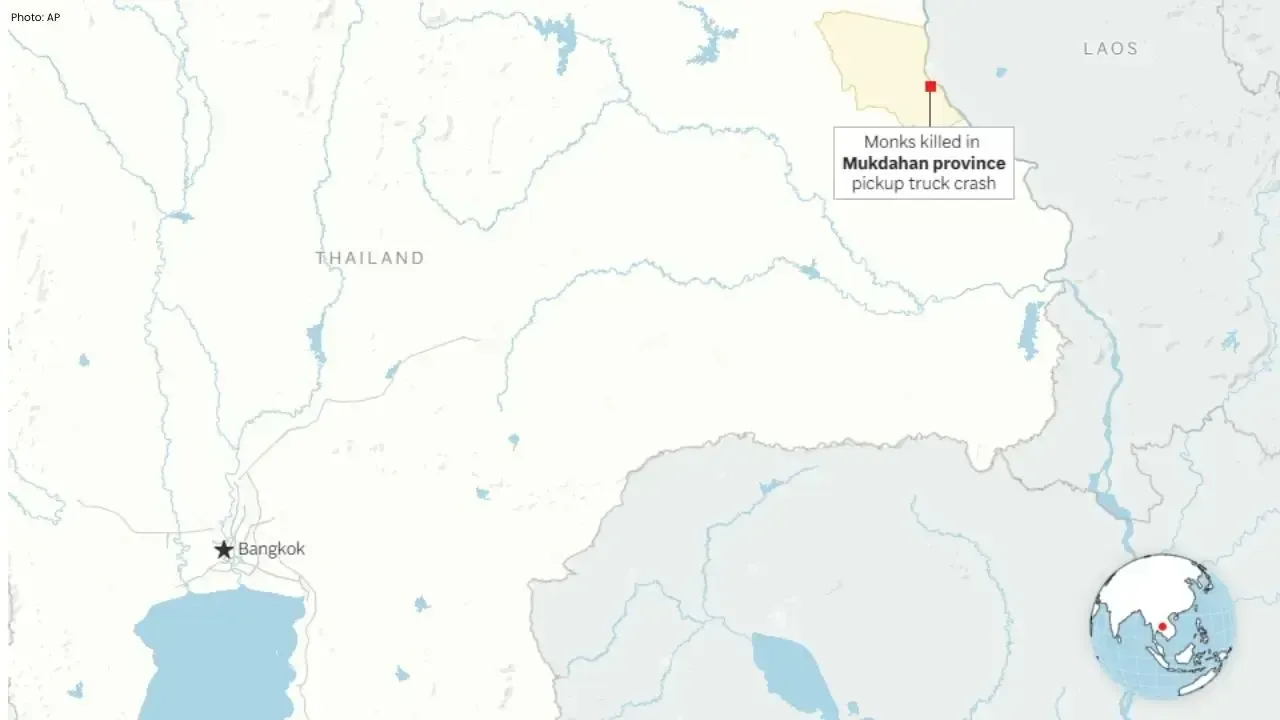
Nine Monks Killed in Thailand Pickup Truck Tragedy
An 11-year-old boy driving a pickup truck crashed into monks during a pilgrimage in northeastern Tha

Anwar Congratulates Xi on CPC's 105th Anniversary
Malaysia reaffirms strong ties with China as PM Anwar Ibrahim sends a congratulatory letter to Presi

Thai Agriculture Team Reviews 2026 Farm Development Plans
Agriculture Ministry officials inspected livestock and organic rice projects in Nakhon Sawan to moni