You have not yet added any article to your bookmarks!
Join 10k+ people to get notified about new posts, news and tips.
Do not worry we don't spam!
Post by : Saif Rahman
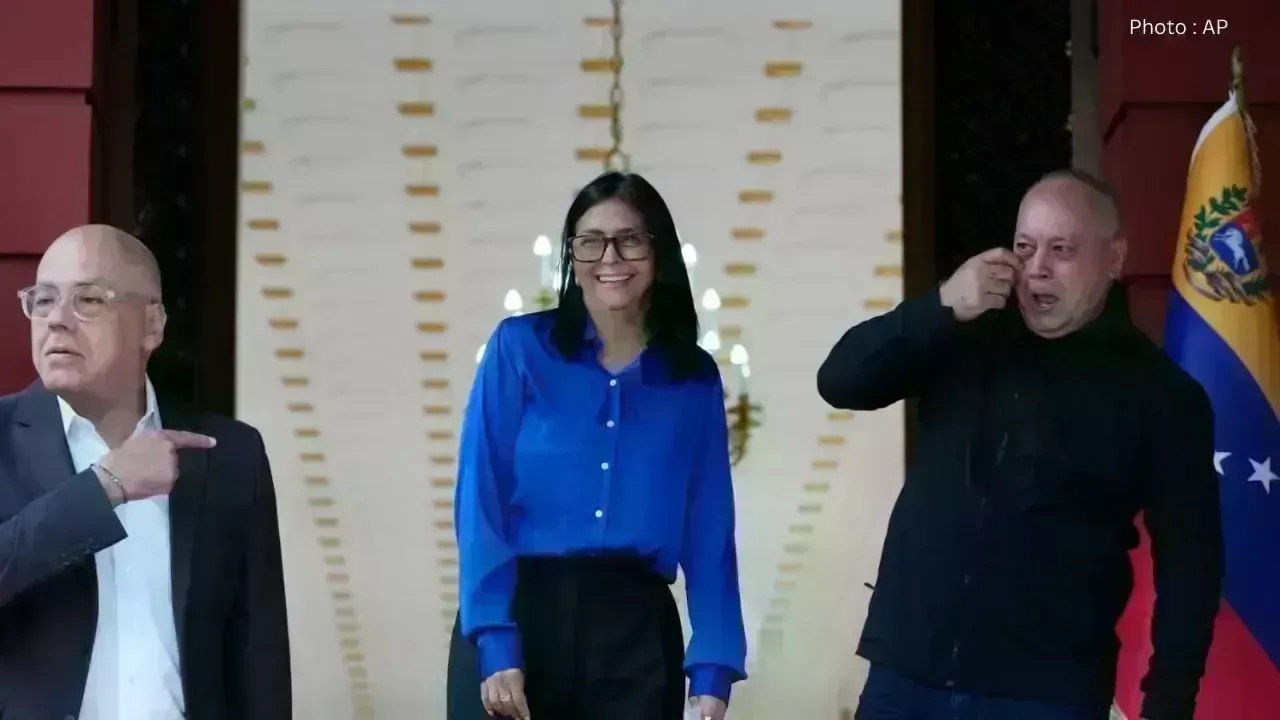
Delcy Rodríguez, the acting President of Venezuela, has committed to the continued release of political prisoners detained during Nicolás Maduro's administration. She characterized this initiative as part of a “new political moment” for the nation, revealed during her first press conference since Maduro's capture by U.S. forces earlier this month on narcotics charges.
Speaking calmly from the presidential palace in Caracas, Rodríguez emphasized that the process of freeing detainees is ongoing and not yet finalized. Her statements followed a time of heightened expectations and uncertainty for families of political prisoners, many awaiting news of their loved ones for years.
Rodríguez declared that Venezuela is entering a new phase that embraces political and ideological diversity. This pronouncement signifies a potential change, despite her government’s close ties to Maduro's inner circle. Estimates from human rights organizations suggest around 800 political prisoners remain imprisoned, including opposition figures, journalists, legal professionals, military personnel, and activists.
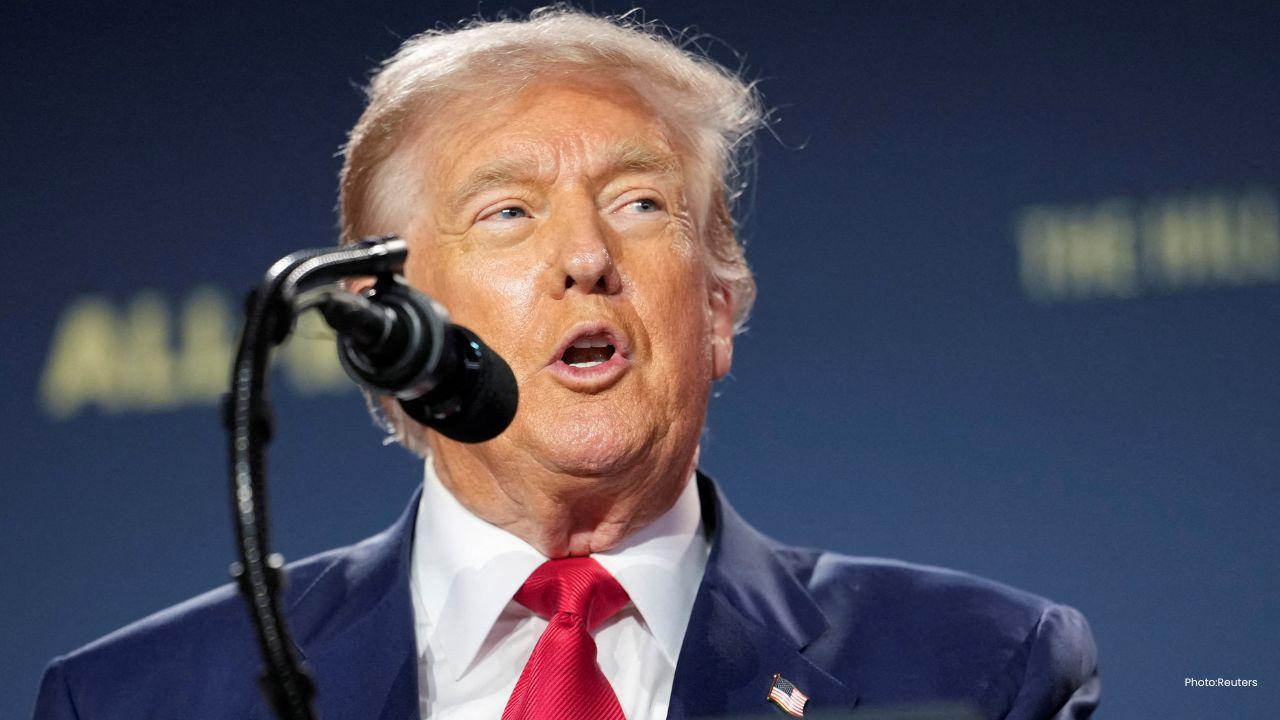
The announcement follows a confirmation from U.S. President Donald Trump, who reported a positive phone conversation with Rodríguez, mentioning a potential improvement in U.S.-Venezuela relations. This was their first direct contact since Maduro's arrest on January 3. Trump’s recent remarks have shown a mix of praise for dialogue and stern warnings about potential consequences for lack of cooperation.
Rodríguez refrained from direct criticism of the U.S. in her address, focusing primarily on prisoner releases. At the same time, she targeted rights advocates, accusing them of disseminating falsehoods. She asserted that the law would be upheld, with no tolerance for crimes driven by violence or threats to constitutional order.
Interior Minister Diosdado Cabello is overseeing the release process, which has faced criticism over its slow pace and lack of transparency. Families of detainees often find themselves waiting for days outside prisons for news of their relatives' release.
Rodríguez clarified that these prisoner releases do not signify a complete rupture from the past, attributing the initiation of the process to Maduro, who authorized the release of nearly 200 prisoners in December as a gesture of tolerance. She claimed over 400 prisoners have been released since then, though human rights organizations dispute these figures.
Venezuela's primary prisoner rights group, Foro Penal, has confirmed at least 72 political prisoners were freed following the interim government's promise of large-scale releases. Those released include journalists and political activists, yet Foro Penal highlights that hundreds remain incarcerated, criticizing the government's opacity.
Rodríguez now navigates a challenging dilemma: she must cater to U.S. pressures regarding human rights while retaining the backing of hardline officials within her administration who resist U.S. influence. Trump has warned her that failure to comply with U.S. expectations could have dire consequences, potentially graver than those faced by Maduro.
Political analysts suggest the government aims to convey two messages simultaneously: domestically, it seeks to assert control, while internationally, it wants to signal readiness for gradual reform through prisoner releases. Rodríguez’s balanced speech displayed promises of progress while deliberately avoiding specificity about timelines or details.
For families of political prisoners, the atmosphere remains tense and uncertain. Vigils, protests, and prayers are commonplace outside detention centers nationwide. Though recent releases have sparked hope, many fear the possibility of the process stalling or ceasing altogether.
As Venezuela stands at a pivotal juncture in its history, the fall of Maduro, U.S. engagement, and the interim government’s promises have raised expectations for change. Whether these prisoner releases pave the way for genuine reform or are merely a tactical maneuver will greatly influence the country’s trajectory in the coming weeks.




George Russell Wins Dutch GP Sprint, Boosts Mercedes Morale
George Russell wins the Dutch GP Sprint from pole as Mercedes teammate Kimi Antonelli extends his F1

Australia 50/3 After Bangladesh Bowled Out for 64 in Second Test
Australia reached 50/3 after Bangladesh were bowled out for 64 in the second Test, with Mitchell Sta

Jordan Burroughs Returns to Wrestling with 2028 Olympic Dream
Jordan Burroughs returns to wrestling with Real American Freestyle as the Olympic champion eyes a po

Lamborghini Catches Fire on Singapore's ECP, Causing Heavy Traffic
A Lamborghini caught fire on Singapore's ECP, causing heavy traffic and bus delays. No injuries were

Bangkok Airport Duty-Free Area Flooded by Pipe Burst
A burst water pipe flooded the duty-free shopping area at Bangkok's Suvarnabhumi Airport on July 16,

Nine Monks Killed in Thailand Pickup Truck Tragedy
An 11-year-old boy driving a pickup truck crashed into monks during a pilgrimage in northeastern Tha