You have not yet added any article to your bookmarks!
Join 10k+ people to get notified about new posts, news and tips.
Do not worry we don't spam!
Post by : Saif Rahman
In a significant move, the United States has taken decisive action to gain control of Venezuela’s extensive oil resources, indicating a major redirection in Washington's strategy for the nation. This week, US forces detained two sanctioned oil tankers and revealed intentions to relax certain sanctions, enabling American oversight over the global sale of Venezuelan oil.
US officials have made their intentions unmistakable: they seek to regulate how Venezuelan oil is transported, sold, and utilized following the ousting of former President Nicolás Maduro. The US asserts that only oil routed through channels sanctioned by Washington will be permitted for export from Venezuela. This method grants the US significant influence over one of the planet’s most prolific oil reserves.
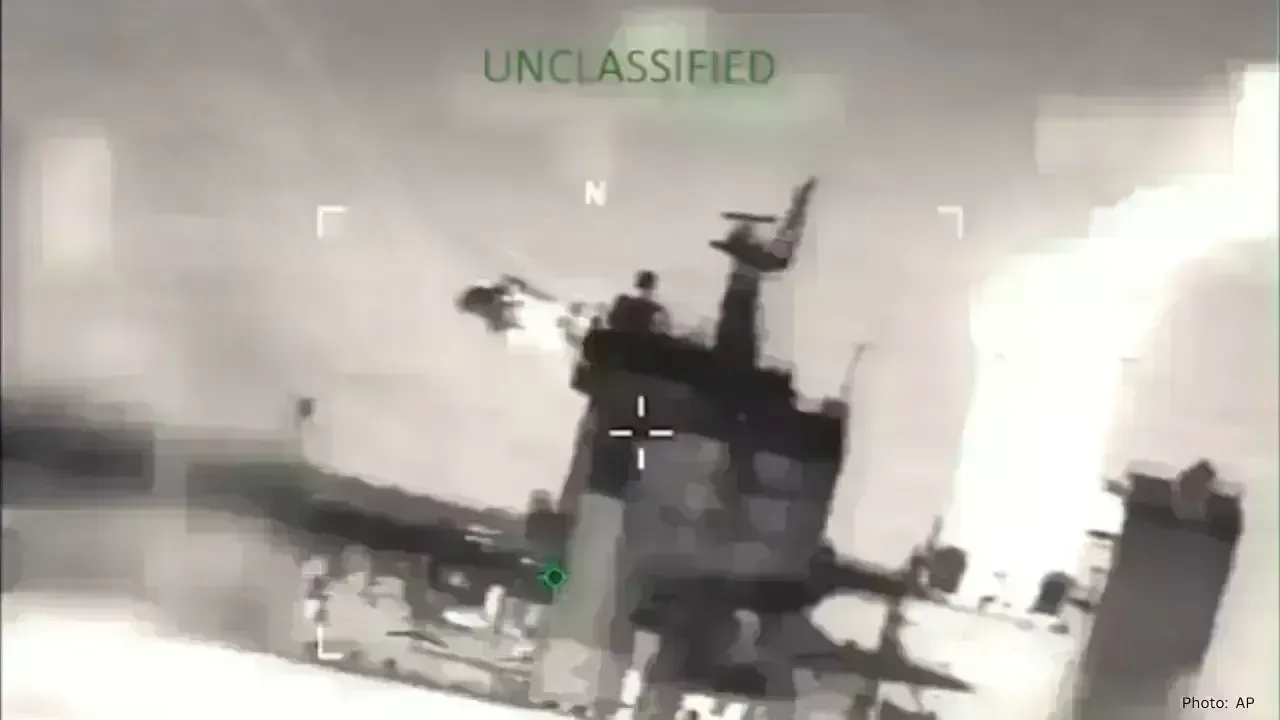
The seizures occurred in both the North Atlantic and the Caribbean Sea, with US Coast Guard and military personnel boarding the vessels for violating US sanctions. Authorities confirmed that these ships had recently been in Venezuelan waters or were en route to load oil there. Following similar incidents last month, the total number of seized tankers has reached at least four.
According to White House representatives, the US now holds “maximum leverage” over Venezuela's transitional government. Vice President JD Vance emphasized that by controlling the sale of Venezuelan oil, the US can exert pressure without resorting to military intervention. He noted this strategy allows Washington to influence the situation in Venezuela while sparing American lives from conflict.
Secretary of State Marco Rubio indicated that the oil from the seized vessels could be part of a new agreement for Venezuela to supply up to 50 million barrels of oil to the United States. He maintained that Venezuela's interim leadership understands that collaboration with the US is crucial to preventing economic collapse.
The seized tanker Bella 1 attracted international scrutiny after making attempts to evade US capture and subsequently changing its name and flag to resemble a Russian ship. US officials reported that the crew even painted a Russian flag on board. Russia denounced the seizure as piracy and called for fair treatment of the crew members. The US Justice Department warned that crew members might face criminal charges for failing to comply with Coast Guard commands.
Concurrently, the Trump administration announced plans to relax some sanctions to permit Venezuelan oil sales under US supervision. The Energy Department announced that between 30 and 50 million barrels could be available for immediate sale. The proceeds of these transactions would be placed in US-controlled financial accounts, then allocated to support both US and Venezuelan citizens as per decisions made in Washington.
Venezuela's state oil entity, PDVSA, confirmed that discussions are underway with the US for the sale of crude oil following these new protocols. Venezuelan officials stated that the process would be legal, transparent, and beneficial for both parties. Acting President Delcy Rodríguez reassured the public, emphasizing that such oil dealings are standard and part of Venezuela's strategy to maintain international relations.
Additionally, US authorities announced plans to permit the import of oil equipment and services into Venezuela to stimulate production, which has dwindled to about 1 million barrels daily. Projects to enhance Venezuela’s electrical infrastructure could also help alleviate shortages and high living costs for residents.
Proponents of the US initiatives argue that they could stabilize oil markets and prevent the funding of unlawful activities with sanctioned oil. However, critics caution that allowing any nation to wield such influence over another's resources raises critical legal and ethical dilemmas.
As the US tightens its grip on Venezuelan oil, the ramifications extend well beyond Venezuela's borders. The dynamics of global energy markets, diplomatic ties, and Venezuela’s future are increasingly interconnected with how Washington navigates its newfound authority.





PSG Coach Luis Enrique Urges Players to Step Outside Comfort Zone
PSG coach Luis Enrique says players must leave their comfort zone and keep improving as the club tar

China’s Tiangong Sets New 400m Record at Robot Olympics
China’s Tiangong robot sets a new 400m record at the Robot Olympics, beating a South African robot i

George Russell Wins Dutch GP Sprint, Boosts Mercedes Morale
George Russell wins the Dutch GP Sprint from pole as Mercedes teammate Kimi Antonelli extends his F1

Australia 50/3 After Bangladesh Bowled Out for 64 in Second Test
Australia reached 50/3 after Bangladesh were bowled out for 64 in the second Test, with Mitchell Sta

Jordan Burroughs Returns to Wrestling with 2028 Olympic Dream
Jordan Burroughs returns to wrestling with Real American Freestyle as the Olympic champion eyes a po

Lamborghini Catches Fire on Singapore's ECP, Causing Heavy Traffic
A Lamborghini caught fire on Singapore's ECP, causing heavy traffic and bus delays. No injuries were