You have not yet added any article to your bookmarks!
Join 10k+ people to get notified about new posts, news and tips.
Do not worry we don't spam!
Post by : Saif Rahman
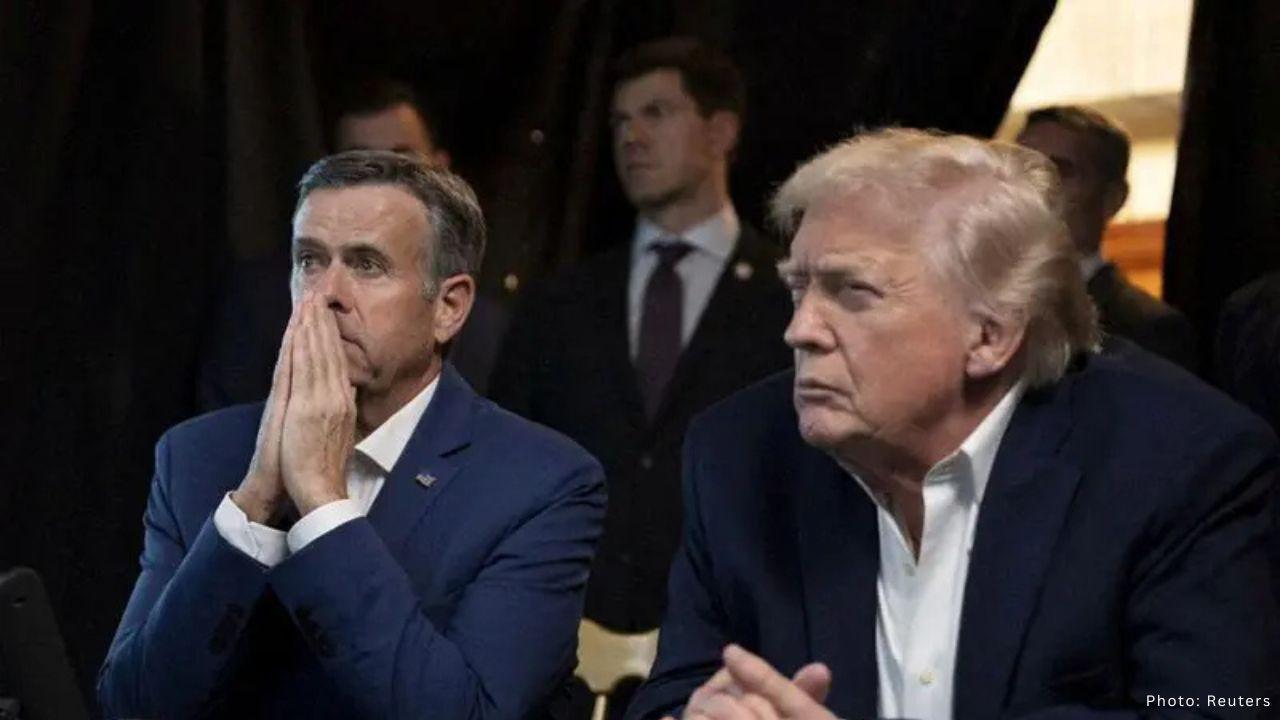
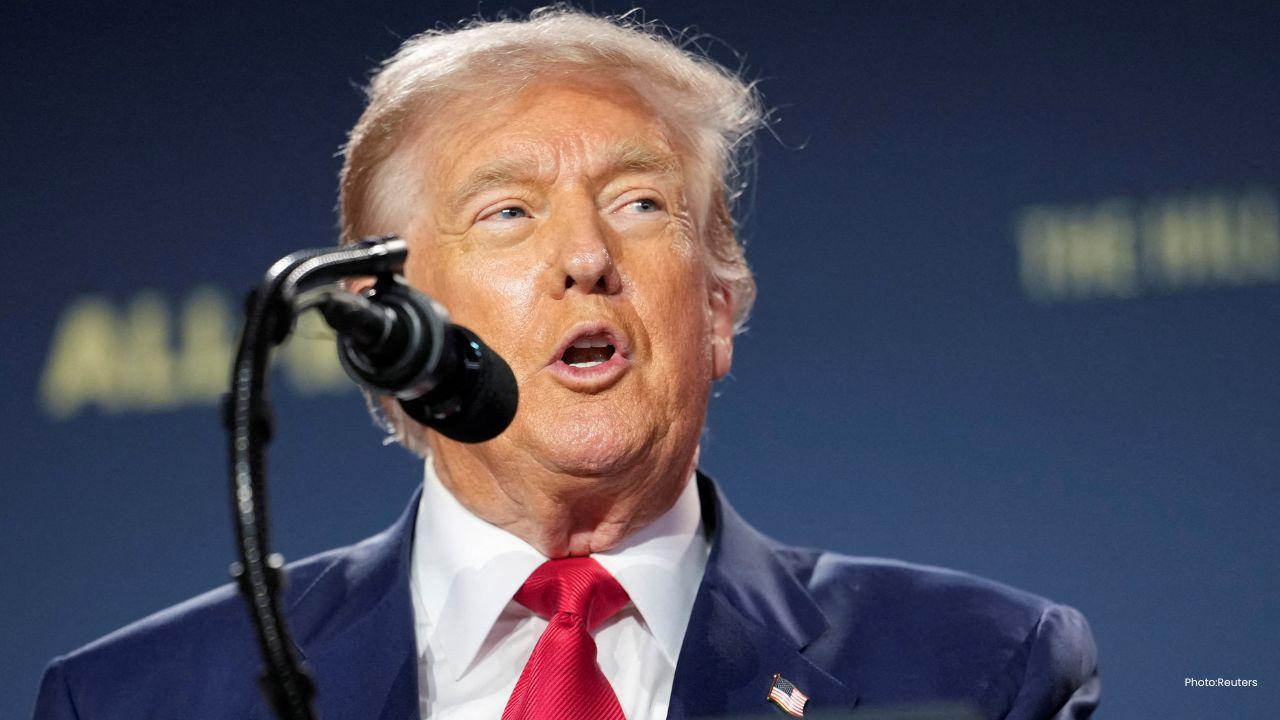
The U.S. Senate is on the brink of a significant vote regarding a resolution aimed at curtailing President Donald Trump’s military authority in Venezuela, which would require congressional approval for any further actions. This development follows the unexpected capture of Venezuelan President Nicolás Maduro by U.S. forces in a recent operation in Caracas.
This resolution aligns with the U.S. Constitution, asserting that it is Congress, not solely the president, that should greenlight extensive military engagements. Proponents argue that the current administration risks dragging the nation into a protracted and expensive conflict without proper review or sanction.
Attempts to pass similar resolutions have been made in the past, but many were thwarted, primarily by Republican opposition. Nevertheless, the last attempt fell short by just two votes, indicating a growing desire among lawmakers to curb the president’s military powers. Advocates are optimistic about this resolution’s chances of success.
Leading the bipartisan charge are Republican Senator Rand Paul and Democratic Senator Tim Kaine, who contend that Congress was misled regarding the administration’s intentions, particularly about regime change and military interventions in Venezuela. The capture of Maduro has sparked fears of an escalation into a larger military conflict.
Some legislators express concerns that the U.S. could be drawn into a prolonged involvement in Venezuela, risking both lives and resources. Recently, President Trump indicated plans to escalate military spending, feeding anxieties about potential military expansions.
On the other hand, opponents claim that Maduro’s apprehension was simply a law enforcement matter rather than an act of war and assert that the president possesses the right to conduct limited military actions for national security. Maduro faces drug and weapons charges in the U.S., allegations he vehemently denies.
Should the Senate approve this resolution, significant hurdles remain ahead. The House of Representatives would also need to approve it, likely facing a presidential veto. Overriding such a veto would require significant majorities within both legislative chambers.
Despite these potential obstacles, the forthcoming vote marks a pivotal opportunity for Congress to reassert its authority concerning war and peace decisions. It underscores a broader dialogue about presidential power, transparency, and the implications of military actions absent widespread political consensus.
As tensions in Venezuela persist, the Senate's verdict will convey a powerful message about the balance between U.S. national security and democratic governance.






China’s Tiangong Sets New 400m Record at Robot Olympics
China’s Tiangong robot sets a new 400m record at the Robot Olympics, beating a South African robot i

George Russell Wins Dutch GP Sprint, Boosts Mercedes Morale
George Russell wins the Dutch GP Sprint from pole as Mercedes teammate Kimi Antonelli extends his F1

Australia 50/3 After Bangladesh Bowled Out for 64 in Second Test
Australia reached 50/3 after Bangladesh were bowled out for 64 in the second Test, with Mitchell Sta

Jordan Burroughs Returns to Wrestling with 2028 Olympic Dream
Jordan Burroughs returns to wrestling with Real American Freestyle as the Olympic champion eyes a po

Lamborghini Catches Fire on Singapore's ECP, Causing Heavy Traffic
A Lamborghini caught fire on Singapore's ECP, causing heavy traffic and bus delays. No injuries were

Bangkok Airport Duty-Free Area Flooded by Pipe Burst
A burst water pipe flooded the duty-free shopping area at Bangkok's Suvarnabhumi Airport on July 16,