
You have not yet added any article to your bookmarks!
Join 10k+ people to get notified about new posts, news and tips.
Do not worry we don't spam!
Post by : Shakul
The conflict between the United States, Israel and Iran has intensified, raising fears of a wider regional war and major global economic disruption. In a key development, the US Senate rejected a resolution that aimed to limit former President Donald Trump’s war powers related to military action against Iran.
The Senate voted 53–47 against the proposal, allowing the US administration to continue military operations without additional restrictions for now. However, analysts say lawmakers may reconsider the issue if the conflict drags on for several weeks.
At the same time, the Israeli military announced that it had launched a new wave of airstrikes across Tehran, targeting what it described as military infrastructure linked to the Iranian regime. According to the Israel Defense Forces (IDF), the strikes are part of a broader campaign to weaken Iran’s military and nuclear capabilities.
The offensive comes after the reported death of Iran’s Supreme Leader Ali Khamenei in a targeted strike on February 28. Following the incident, US and Israeli forces have intensified a joint campaign called “Operation Epic Fury.” Officials claim that more than 1,250 targets across Iran have been hit so far, including ballistic missile bases, naval assets and intelligence facilities.
Meanwhile, Iran has warned of a “scorched earth” retaliation, increasing fears of a wider regional conflict. Explosions have reportedly continued in several government districts of Tehran, while Iranian state media said attacks in the port city of Minab have caused at least 165 casualties.
The political situation inside Iran has also become uncertain. After Khamenei’s death, President Masoud Pezeshkian invoked Article 111 of the Iranian Constitution, forming a provisional Leadership Council to manage the country during the transition.
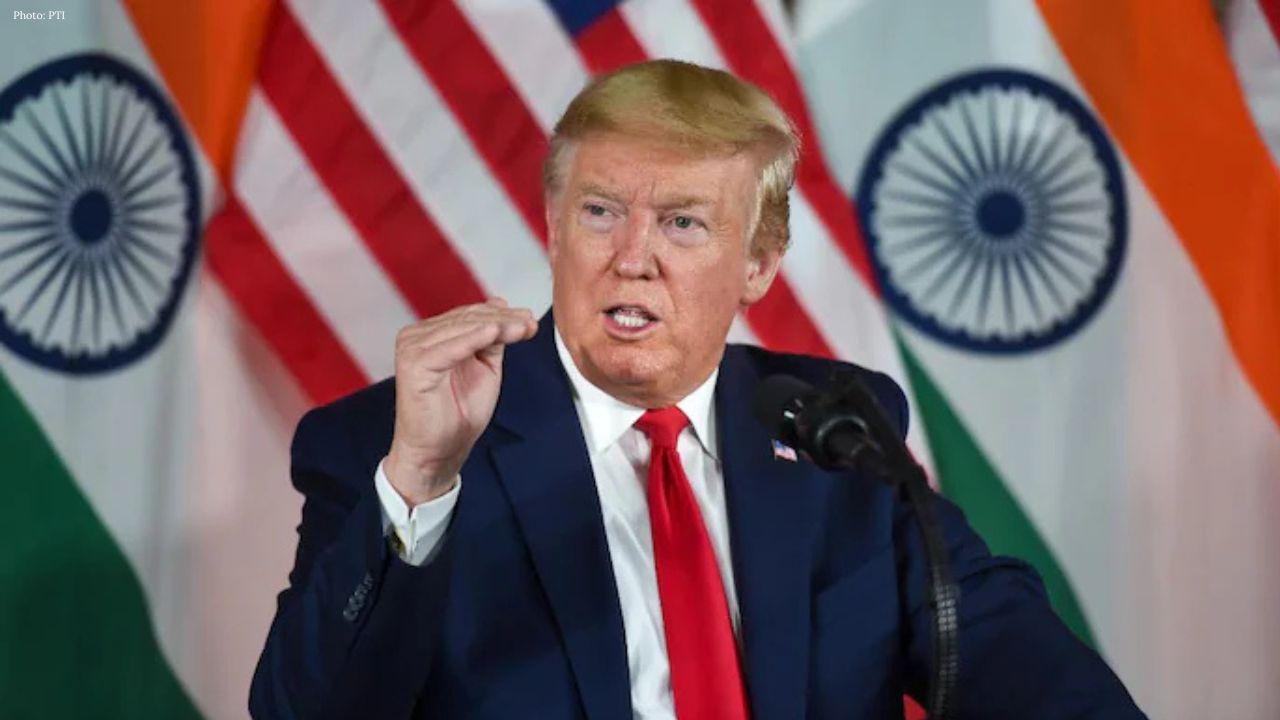
The United States has defended its involvement in the conflict. Donald Trump described the military campaign as a “last chance” to maintain regional stability and stop Iran from acquiring nuclear weapons. US Central Command (CENTCOM) has also confirmed the first American casualties during ongoing air and ground operations.
The conflict is already affecting the global economy. Concerns are rising about the Strait of Hormuz, a key route for global oil shipments. Reports suggest that the waterway could be closed to commercial shipping if tensions escalate further.
International markets are reacting quickly. Gold prices remain close to record highs near $5,100 per ounce, reflecting investor anxiety. Energy markets are also under pressure after Qatar halted LNG production, while drone strikes have been reported near fuel infrastructure at Oman’s Duqm port.
As military operations continue and global powers monitor the situation closely, the conflict between the US, Israel and Iran could have far-reaching consequences for regional stability and the global economy.










PM Modi Pays Tribute to Mahatma Gandhi, Urges People to Support Khadi
PM Modi pays tribute to Mahatma Gandhi on Gandhi Jayanti and urges citizens to support Khadi and the

Amazon Seeks to Offload $8 Billion in Nvidia Chips to Investors
Amazon plans to move $8 billion in Nvidia chips to investors, using a new financing model to strengt

Samsung Raises Galaxy S26 Prices as Memory Chip Costs Rise
Samsung raises Galaxy S26 prices in South Korea as rising memory chip costs put pressure on smartpho

Lewis Hamilton Calls Singapore Grand Prix One of F1's Toughest Races
Lewis Hamilton discusses the demanding Singapore Grand Prix and brings Plus44 and Almave to Singapor

Denmark's Pandora Opens World's Largest Jewellery Factory in Vietnam
Pandora opens its largest jewellery factory in Vietnam, expanding global production, strengthening s

Gautam Gambhir Questions Batting-Friendly Pitches After India's Record ODI Chase
Gautam Gambhir questions batting-friendly ODI pitches after India’s record chase, calling for a bett

