You have not yet added any article to your bookmarks!
Join 10k+ people to get notified about new posts, news and tips.
Do not worry we don't spam!

Post by : Samjeet Ariff
It’s a prevalent belief that earning a substantial income resolves financial issues. However, more individuals than ever in 2026, who make significantly above average salaries, continue to feel financially trapped, anxious, and unsatisfied. Even with consistent raises, bonuses, or thriving businesses, the sentiment remains that funds vanish rapidly, savings never seem sufficient, and future aspirations remain elusive.
This predicament is not rooted in income limitations but rather stems from ineffective financial habits, lifestyle choices, and mental barriers that subtly ensnare high earners in a cycle of financial inertia. Grasping the core of this issue is the first step toward reclaiming financial stability.
A glaring misconception is that a higher income guarantees enhanced financial security.
Rising expenses can often outpace income growth
Increased commitments accompany lifestyle enhancements
Financial choices tend to be reactive rather than strategic
Without solid management, a higher paycheck often accelerates the rate at which money exits, rather than increasing retention.
Lifestyle inflation occurs when expenditures rise concurrently with income increases.
More expensive homes with elevated EMIs
Luxury vehicles acquired through extended loans
Increased spending on dining out, travel, and convenience
Subscriptions and premium services that seem standard
Each enhancement feels warranted, yet they commit income to fixed costs, limiting flexibility.
This type of spending often feels justified, leading individuals to believe that even a generous salary is insufficient over time.
Many who earn well allocate a fraction of their income towards inevitable monthly expenditures.
Mortgage payments and rent
Vehicle EMIs
Educational fees
Insurance policies
Prolonged subscriptions
When these fixed expenditures surpass manageable limits, savings become a luxury instead of a norm.
Countless high earners save and invest but lack clarity.
Defined timeframes
Specific financial figures
Goal-driven allocations
Without proper targets, funds are often spent or invested erratically, generating the facade of effort without any tangible results.
Even with savings and investments, the sensation of being stuck arises from the absence of visible progression toward a meaningful goal.
A robust monthly income can obscure precarious financial ground.
Reliance on upcoming paychecks
Poor emergency savings
Heightened anxiety during unforeseen expenses
Overuse of credit cards despite adequate earnings
Authentic financial comfort is derived from savings, not just income.
High earners often juggle “manageable” debts, which cumulatively weigh heavily.
EMIs limit prospective options
Interest covertly erodes long-term wealth
Increased mental burden adds to financial worries
Even if debt seems affordable, it restricts flexibility and independence.
In 2026, inflation is considerably influencing everyday money management more than most are aware.
Costs for education, healthcare, and housing rise faster than wages
Lifestyle expenses escalate annually
Savings depreciate without inflation considerations
When income increases align with inflation but savings don't exceed it, real advancement halts.
Many simply save what remains at the month’s end.
Inconsistent savings
Expenditures expand to engulf income
Long-term financial objectives are undermined
High earners must establish deliberate saving mechanisms instead of relying solely on what’s leftover.
Investing without clarity or alignment can foster apprehension.
Haphazard investments driven by trends
Excessive diversification lacking a strong rationale
Continuous portfolio shifts amid market fluctuations
Instead of assurance, investing morphs into yet another stressor.
With elevated income comes heightened anticipations.
Family responsibilities
Social competition
Maintaining certain personas
Fear of falling in social standing
Such pressures often foster overspending, avoidance of money discussions, or rash financial actions.
High-income earners frequently find themselves short on time.
Lack of routine financial assessments
Missed optimization chances
Postponed financial planning
Money requires ongoing attention, not merely a high income.
The emotional ramifications often weigh heavier for those with substantial incomes.
Expectations are elevated
Feelings of guilt arise when dissatisfaction is expressed
Anxiety about “starting from scratch” financially
This internal conflict can prolong periods of feeling stuck.
Most individuals have experienced salary enhancements without refining their money management methods.
Automated saving frameworks
Goal-oriented financial categories
Defined spending limits
Regular financial evaluations
Without these structures, effort may not translate into meaningful progress.
Designate income toward savings, investments, and expenditures prior to disbursement.
While allowing for lifestyle enhancements, cap the extent to which income increments are expended on them.
Align savings and investments with well-defined targets and timelines.
Streamline accounts, investments, and subscriptions to reduce chaos.
Establishing emergency funds can alleviate immediate stress.
True financial independence is not solely a product of high income; it centers on consciously preserving, growing, and guiding money.
Those who reclaim financial agency often shift their focus from income growth to structural adjustments first.
Feeling financially trapped while earning a considerable income isn’t indicative of failure—it signals that your earnings have outpaced your financial strategies. With greater clarity, robust structures, and intentional decision-making, the income perceived as a burden today can transform into empowerment tomorrow.
Money thrives best when directed.
This article is for informational and educational purposes and should not be construed as financial, investment, or legal counsel. Financial situations differ based on income, expenses, goals, and market conditions. Readers are encouraged to consult a qualified financial advisor before making significant financial changes.
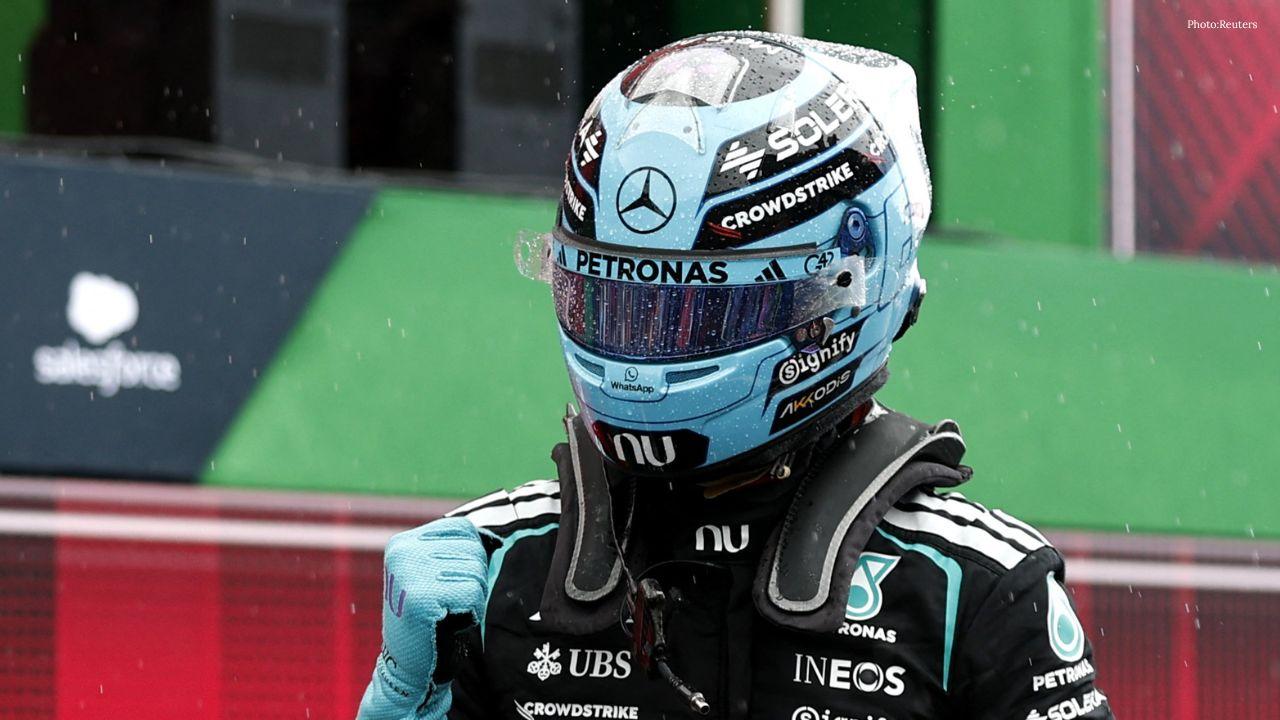







George Russell Wins Dutch GP Sprint, Boosts Mercedes Morale
George Russell wins the Dutch GP Sprint from pole as Mercedes teammate Kimi Antonelli extends his F1

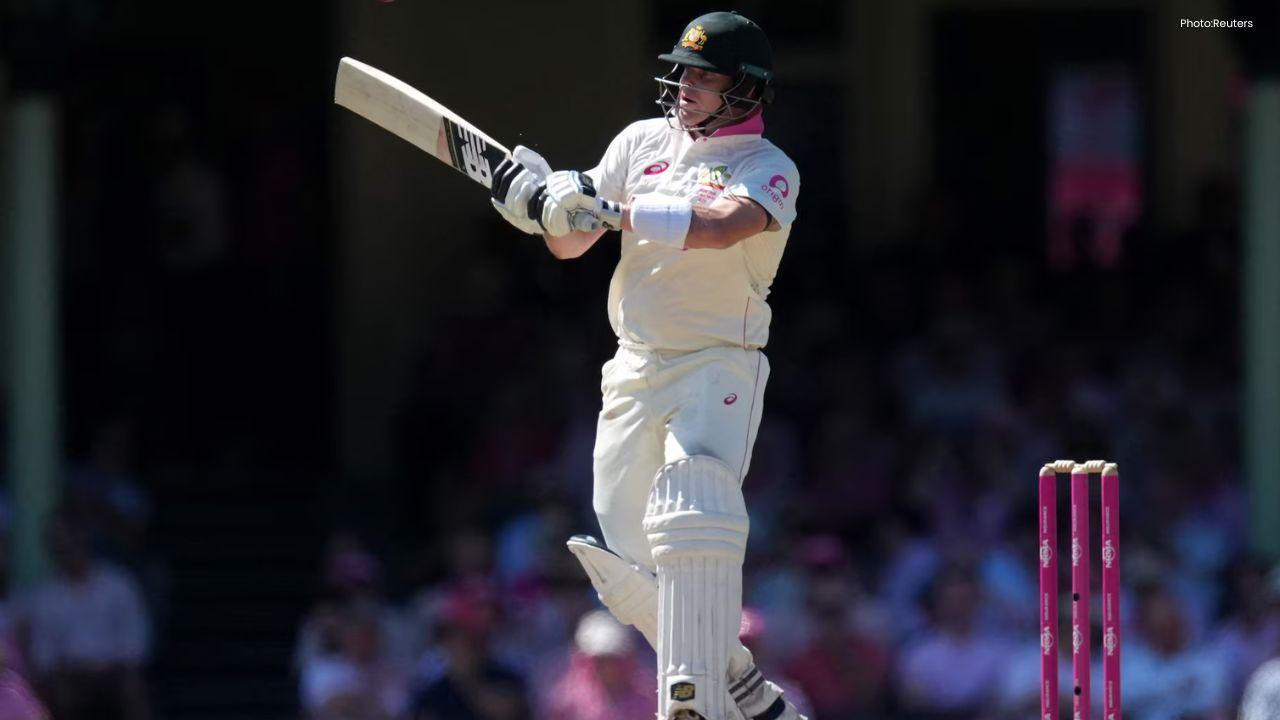
Australia 50/3 After Bangladesh Bowled Out for 64 in Second Test
Australia reached 50/3 after Bangladesh were bowled out for 64 in the second Test, with Mitchell Sta

Jordan Burroughs Returns to Wrestling with 2028 Olympic Dream
Jordan Burroughs returns to wrestling with Real American Freestyle as the Olympic champion eyes a po

Lamborghini Catches Fire on Singapore's ECP, Causing Heavy Traffic
A Lamborghini caught fire on Singapore's ECP, causing heavy traffic and bus delays. No injuries were

Bangkok Airport Duty-Free Area Flooded by Pipe Burst
A burst water pipe flooded the duty-free shopping area at Bangkok's Suvarnabhumi Airport on July 16,

Nine Monks Killed in Thailand Pickup Truck Tragedy
An 11-year-old boy driving a pickup truck crashed into monks during a pilgrimage in northeastern Tha