You have not yet added any article to your bookmarks!
Join 10k+ people to get notified about new posts, news and tips.
Do not worry we don't spam!
Post by : Samjeet Ariff
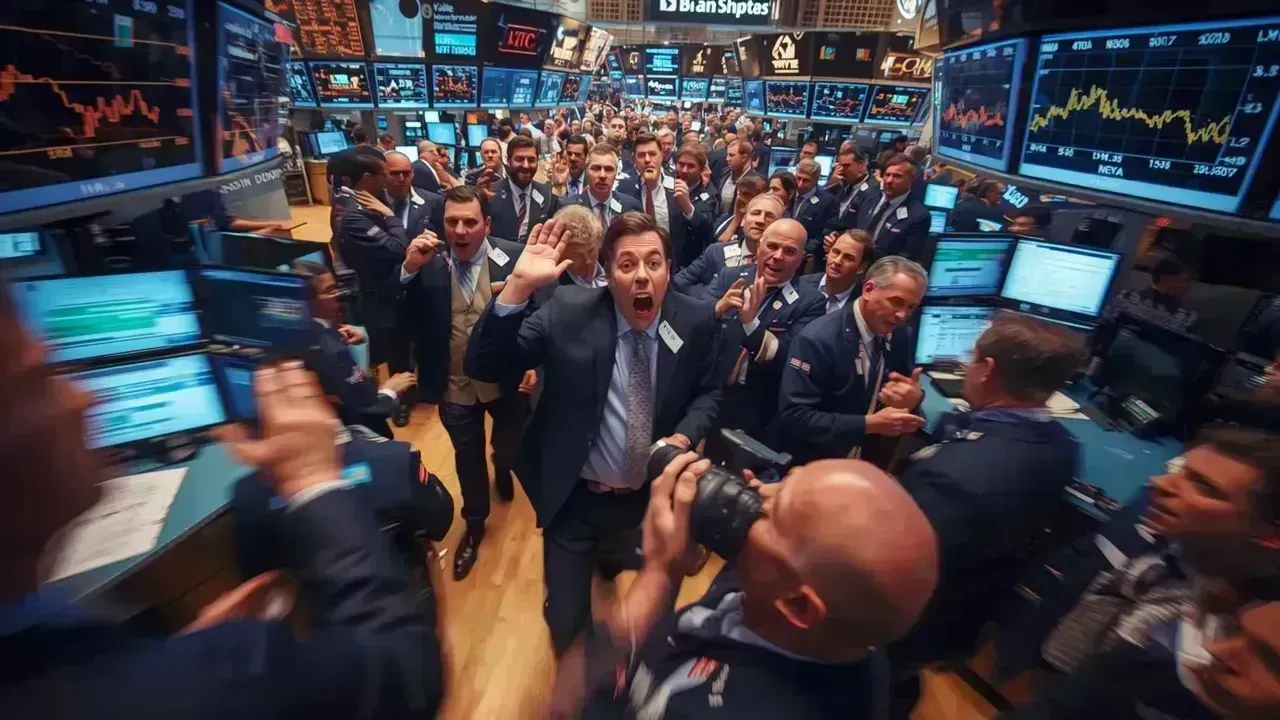
Experiencing market declines is a usual aspect of investing. However, many investors instinctively sell off assets when prices drop, falling prey to panic-selling. This common reaction is a primary factor in preventing individuals from amassing wealth over time. Often, such sales occur at the worst possible times, locking in losses that could otherwise have been avoided.
To mitigate this negative impact, it is crucial to grasp the reasons behind panic-selling, how emotions can overshadow rational decision-making, and effective techniques to remain calm and invested when faced with market turbulence.
Panic-selling occurs when investors divest during a market downturn primarily due to fear, rather than any shifts in long-term investment fundamentals.
Unexpected market crashes or significant declines
Alarming headlines and negative forecasts
Fear of total capital loss
Swift declines in portfolio valuations
Pressure from peers or social media
Panic-selling is typically an emotional impulse rather than a planned choice, driven by uncertainty and fear of loss.
Investment decisions are largely influenced by psychological factors more than mere financial knowledge.
Research indicates that individuals perceive the anguish of loss almost twice as intensely as the joy from gains. A dwindling portfolio triggers emotional turmoil, despite a stable long-term outlook.
During downturns, fear tends to eclipse rational thought. Urgent action feels necessary to curb losses.
Seeing fellow investors liquidate their assets creates a sense of urgency, making others feel they lack critical information, prompting widespread selling.
People often believe that recent drops signal ongoing declines, ignoring historical patterns of recovery over time.
Media narratives during market downturns often dramatize the situation.
Use of dramatic terms like “crash” and “collapse”
Continuous emphasis on immediate losses
Exaggerated expert predictions
Repetitive exposure on various platforms
This creates a cycle of anxiety, compelling investors to act hastily without full comprehension of the situation.
Investors lacking clear strategies are more susceptible to panic.
If investors are uncertain about their reasons for investing, it becomes challenging to stay invested amid losses. Unmoored capital feels precarious during downturns.
Defined objectives offer both guidance and resilience during volatile times.
A significant number of investors profess a long-term outlook but frequently engage in short-term behaviors.
Frequently checking portfolios
Expecting constant capital growth
Measuring performance over weeks rather than years
Markets may fluctuate in the short term, yet they typically trend upward in the long run. Ignoring this reality can heighten emotional responses.
Choosing to sell in a downturn can create a misleading sense of control.
Liquidating assets prevents temporary loss but locks it in permanently
Time re-entry into the market appropriately is exceedingly tough
Missing key recovery days significantly decreases long-term returns
Efforts to time the market often lead to greater losses than remaining invested.
Panic-selling compromises returns and disrupts the process of wealth compounding.
Permanently lost capital
Missed chances for recovery
Lower confidence in investing
Investors remain sidelined longer than anticipated
Historically, missing just a few significant recovery days can drastically reduce overall returns.
Experienced investors face fear head-on, employing better management strategies.
Embrace volatility as a natural occurrence
Prioritize fundamentals over sensational headlines
Maintain a structured allocation
Rebalance instead of liquidating everything
They perceive market declines as temporary obstacles, not permanent setbacks.
Retirement savings
Educational expenses for children
Enduring wealth creation
Immediate needs
Funds meant for long-term objectives shouldn't be judged on a short-term performance basis.
Funds intended for short-term needs should not face high volatility. In contrast, long-term investments can absorb market shifts.
Proper alignment decreases anxiety.
Habitual checks can heighten emotional strain. Periodic evaluations—rather than daily scrutiny—help maintain a balanced view.
Integrating a blend of equities, fixed income, and safer assets buffers against volatility and emotional distress during downturns.
Decide in advance:
When to adjust allocations
When to contribute more
When to remain invested
Having rules gives protection when emotions run high.
Market downturns, though uncomfortable, can serve a constructive role.
Chance to acquire valuable assets at reduced costs
Enhanced potential for long-term gains
Advantage for portfolio rebalancing
Fostering emotional discipline
Those who hold onto their investments often reap the greatest rewards during recoveries.
Patience is not idleness—it is a tactical approach.
Markets favor duration over timing
Compounding thrives on regularity
Emotional steadiness fosters wiser decisions
Long-term investors endure temporary discomfort for future assurance.
Financial triumph relies heavily on emotional control.
Study market fluctuations
Minimize distractions and speculation
Focus on progress rather than perfection
Reflect on past recoveries
Confidence grows through knowledge and experience.
Not all asset liquidations are detrimental.
Achieving financial objectives
Rebalancing asset mix
Changes in personal financial circumstances
Fundamental changes in asset quality
Selling should be well-considered, not impulsive.
Market downturns challenge investors’ temperaments more than their knowledge. Most losses arise not from market declines but from poor reactions during such declines.
Individuals who master the art of remaining calm amid uncertainty gain a long-term edge in investing.
Panic-selling is a natural human reaction, not an indication of failure. However, comprehending its triggers and strategically preparing can dramatically alter one’s financial trajectory. Markets will fluctuate; discipline, clarity, and patience distinguish successful investors from those left frustrated.
Maintaining investment is often the most challenging yet rewarding action you can take.
This article serves informational and educational purposes only and should not be recognized as financial or investment consultation. Market risks, returns, and circumstances vary depending on individual situations and market dynamics. Readers are encouraged to seek guidance from a qualified financial advisor prior to making any investment resolutions.










PSG Coach Luis Enrique Urges Players to Step Outside Comfort Zone
PSG coach Luis Enrique says players must leave their comfort zone and keep improving as the club tar

China’s Tiangong Sets New 400m Record at Robot Olympics
China’s Tiangong robot sets a new 400m record at the Robot Olympics, beating a South African robot i

George Russell Wins Dutch GP Sprint, Boosts Mercedes Morale
George Russell wins the Dutch GP Sprint from pole as Mercedes teammate Kimi Antonelli extends his F1
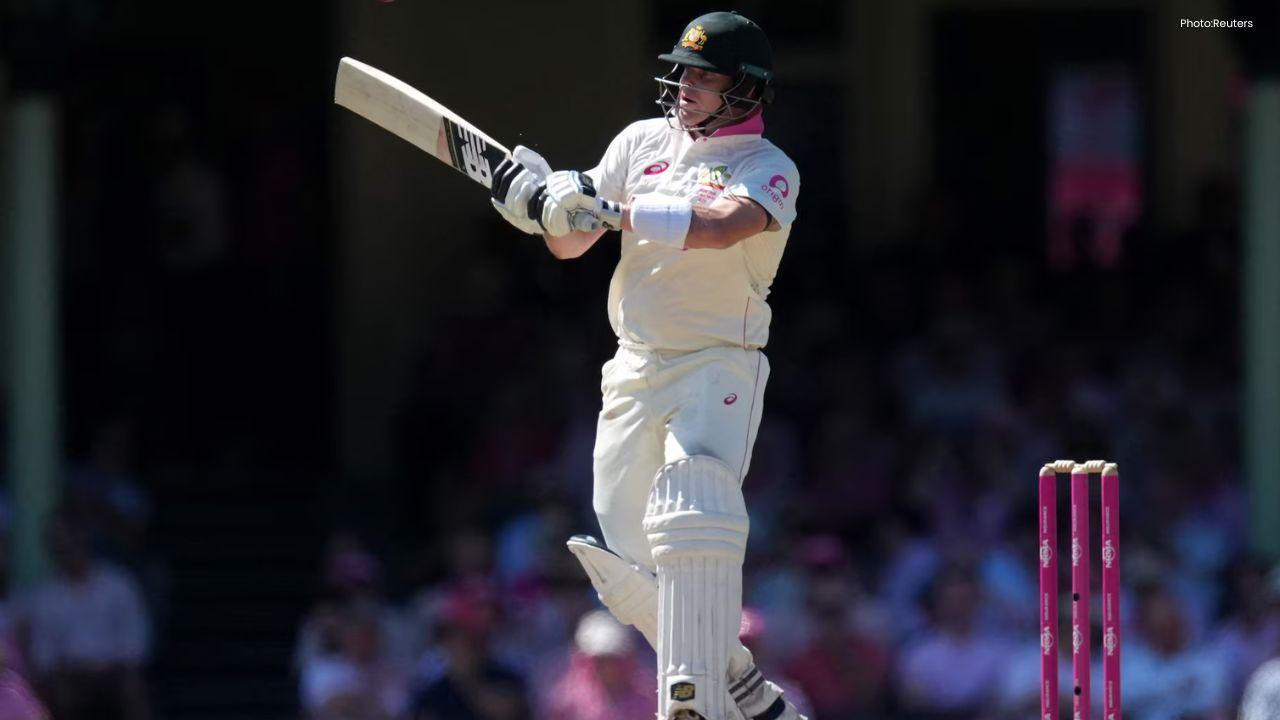
Australia 50/3 After Bangladesh Bowled Out for 64 in Second Test
Australia reached 50/3 after Bangladesh were bowled out for 64 in the second Test, with Mitchell Sta

Jordan Burroughs Returns to Wrestling with 2028 Olympic Dream
Jordan Burroughs returns to wrestling with Real American Freestyle as the Olympic champion eyes a po

Lamborghini Catches Fire on Singapore's ECP, Causing Heavy Traffic
A Lamborghini caught fire on Singapore's ECP, causing heavy traffic and bus delays. No injuries were