You have not yet added any article to your bookmarks!
Join 10k+ people to get notified about new posts, news and tips.
Do not worry we don't spam!
Post by : Saif Rahman
The International Court of Justice (ICJ), the pinnacle of the United Nations' judicial system, has launched crucial hearings to ascertain whether Myanmar perpetrated genocide against the Rohingya Muslim community. This event holds profound significance for the Rohingya, who have faced years of hardship, and for the broader struggle for global justice and human rights.
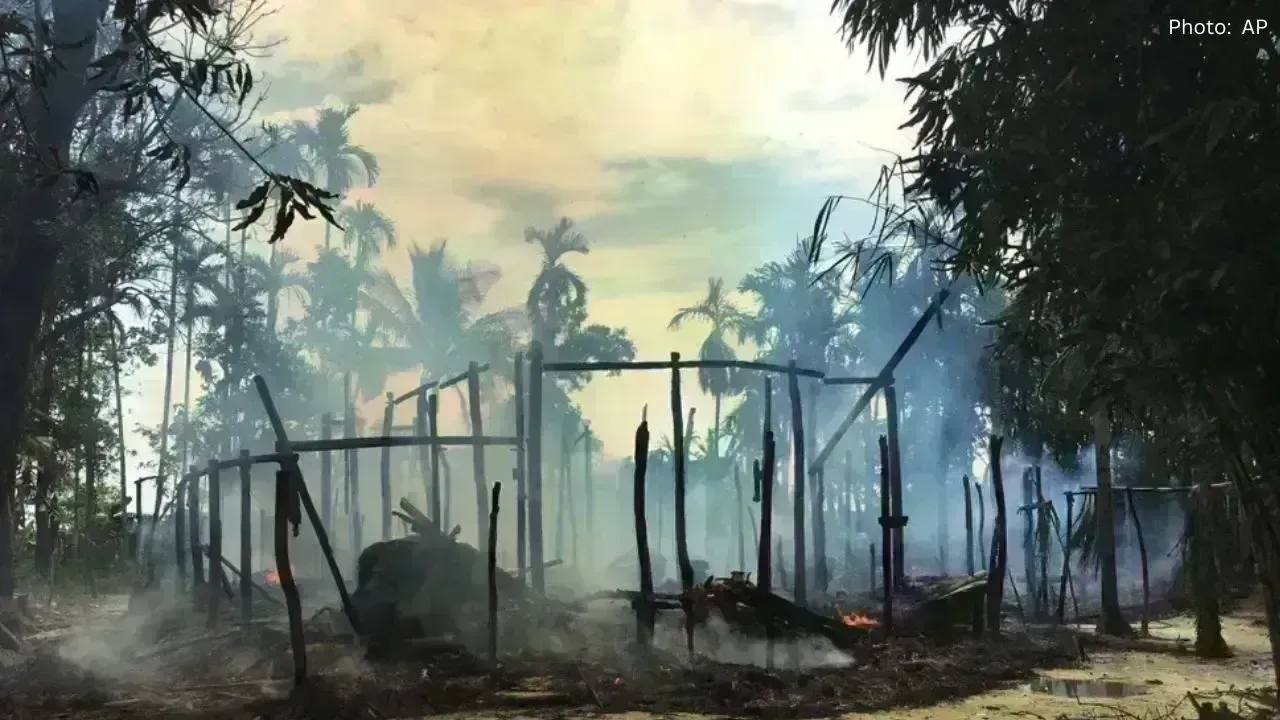
The case was initiated in 2019 by The Gambia, a small African nation, alleging that Myanmar breached the 1948 Genocide Convention during a military campaign in 2017. This brutal operation forced over 700,000 Rohingya individuals to abandon their homes in Rakhine state, seeking refuge in Bangladesh. Numerous families crossed the border empty-handed, leaving behind charred villages, missing loved ones, and lasting trauma.
For decades, the Rohingya have endured systemic discrimination in Myanmar, stripped of citizenship, fundamental rights, and protection. Following assaults by a Rohingya militant faction in 2017, Myanmar's military initiated what it labeled a security operation. However, survivors and human rights organizations reported extensive atrocities including mass executions, sexual violence, and the destruction of thousands of homes—triggering global outrage and demands for accountability.
Myanmar has persistently rejected allegations of genocide. During the initial hearing in 2019, Aung San Suu Kyi, then Myanmar’s civilian leader and a Nobel Peace Prize laureate, represented the nation, asserting that military actions were responses to conflict with militants, not aimed at annihilating an ethnic group. Since then, Myanmar has undergone significant transformations; in 2021, the military executed a coup, leading to Aung San Suu Kyi’s imprisonment on charges characterized by her supporters as spurious and politically motivated.
The nation also attempted to block the case, contesting the court's jurisdiction and claiming that The Gambia was not impacted by the conflict. However, in 2022, the judges dismissed this claim, affirming that all signatories of the Genocide Convention bear a responsibility to prevent genocide wherever it may occur.
As legal proceedings unfold in The Hague, the plight of Rohingya refugees remains dire. Approximately 1.2 million Rohingya reside in severely overcrowded camps in Bangladesh, where conditions are harsh and perilous. Many children lack access to quality education, food supplies are scarce, and crime rates are escalating. Recent aid reductions have exacerbated these issues, with reports indicating children suffering from malnutrition and illness.
For countless Rohingya, the ICJ proceedings represent a rare glimmer of hope. Advocates for refugee rights contend that the hearings indicate the world has not entirely overlooked their plight. Regardless of the timeline for justice, being acknowledged in the UN’s highest court offers victims a sense of dignity and validation.
The implications of this case could resonate globally. Establishing genocide in legal terms is notably complex, as the court must evaluate the intent to decimate a group. Experts suggest that the ruling could shape future genocide cases and impact international law profoundly. It may also influence ongoing inquiries at the International Criminal Court, which is deliberating an arrest warrant for Myanmar’s military leader concerning crimes against the Rohingya.
This case serves as a pivotal test of the international commitment to preventing genocide. For the Rohingya, it transcends legalities—encompassing the quest for truth, accountability, and the aspiration for a future where they can live without fear. As the hearings commence, global attention focuses on whether justice can inch closer for one of the world’s most persecuted groups.








George Russell Wins Dutch GP Sprint, Boosts Mercedes Morale
George Russell wins the Dutch GP Sprint from pole as Mercedes teammate Kimi Antonelli extends his F1

Australia 50/3 After Bangladesh Bowled Out for 64 in Second Test
Australia reached 50/3 after Bangladesh were bowled out for 64 in the second Test, with Mitchell Sta

Jordan Burroughs Returns to Wrestling with 2028 Olympic Dream
Jordan Burroughs returns to wrestling with Real American Freestyle as the Olympic champion eyes a po

Lamborghini Catches Fire on Singapore's ECP, Causing Heavy Traffic
A Lamborghini caught fire on Singapore's ECP, causing heavy traffic and bus delays. No injuries were

Bangkok Airport Duty-Free Area Flooded by Pipe Burst
A burst water pipe flooded the duty-free shopping area at Bangkok's Suvarnabhumi Airport on July 16,

Nine Monks Killed in Thailand Pickup Truck Tragedy
An 11-year-old boy driving a pickup truck crashed into monks during a pilgrimage in northeastern Tha