
You have not yet added any article to your bookmarks!
Join 10k+ people to get notified about new posts, news and tips.
Do not worry we don't spam!
Post by : Badri Ariffin
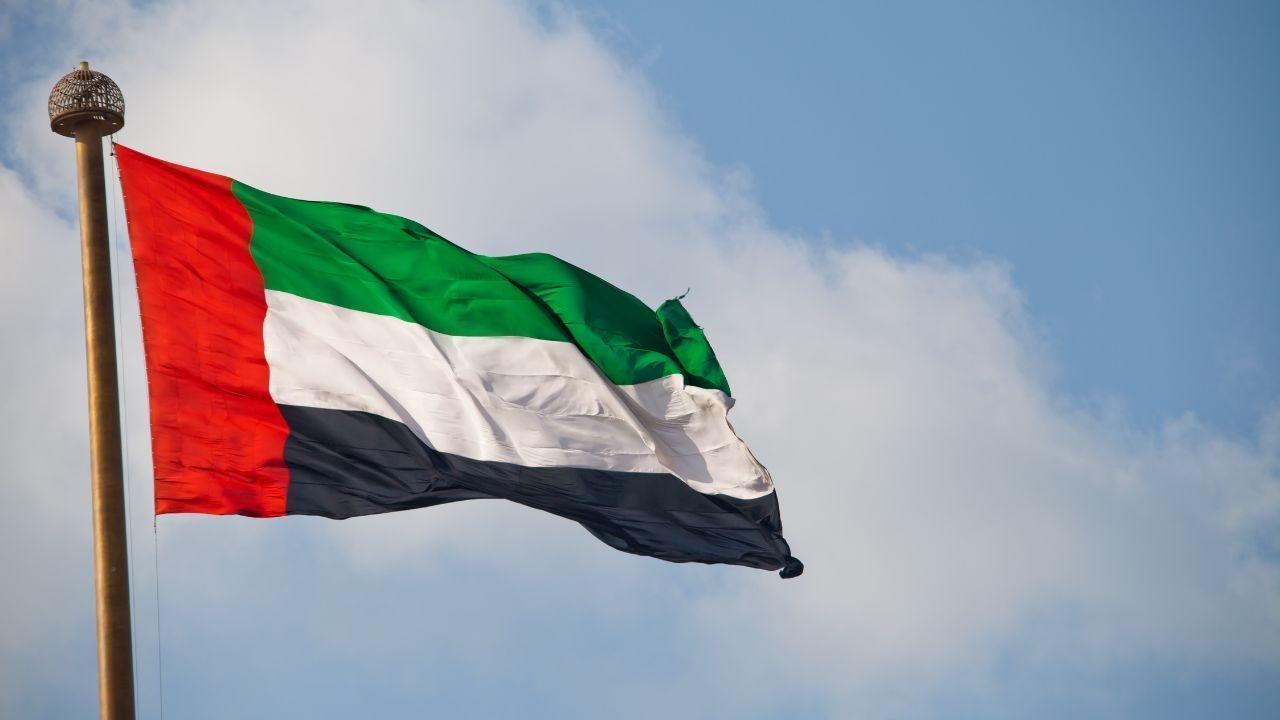
The United Arab Emirates has formally submitted its candidacy for re-election to the International Maritime Organisation (IMO) Council under Category B, signaling its ongoing commitment to shaping the future of global maritime navigation.
The move underscores the UAE’s position as a key player in international shipping, with a strong focus on safety, sustainability, and innovation. Since joining the IMO in 1980, the country has been actively engaged in global maritime initiatives, supporting emission reduction, safer seas, and multilateral cooperation.
A Hub of Global Trade and Advanced Infrastructure
The UAE’s maritime sector is a cornerstone of the national economy, contributing over AED 135 billion to GDP. The country hosts approximately 27,000 maritime companies, while its national operators manage 106 ports across 78 countries, cementing its role as a pivotal hub for global trade.
Domestic ports handle around 60 percent of cargo in the Arabian Gulf, moving over 21 million containers annually. Major ports like Jebel Ali, Khalifa, and Fujairah have become international supply chain hubs, integrating advanced digital solutions, artificial intelligence, and autonomous shipping technologies to enhance efficiency.
Sustainability at the Core
The UAE is investing heavily in green maritime initiatives. Its Green Recycling Yards Project is the first in the region to promote eco-friendly offshore ship recycling. National regulations now enforce safe ship dismantling and low-sulfur fuel usage, aligned with the MARPOL Convention. Maritime sustainability is also embedded in broader strategies, including the UAE Energy Strategy 2050 and the National Hydrogen Strategy 2050, which aim for carbon neutrality by mid-century.
Safety, Innovation, and Digital Transformation
Maritime safety remains a top priority. The UAE’s National Maritime Navigation Centre monitors vessel movements around the clock, while the National Single Window for Maritime Services streamlines procedures digitally. The country has implemented unified port state controls and adheres to international conventions such as SOLAS, STCW, and OPRC, enhancing security and operational reliability.
Innovation drives the UAE’s maritime strategy. Autonomous shipping, blockchain in port management, and AI-driven maritime analytics are already transforming operations, reducing emissions, and increasing global competitiveness.
Strategic Role at the IMO
Beyond national advancements, the UAE has actively contributed to the IMO’s work, proposing an expansion of Council membership from 40 to 52 countries and advocating for Arabic as an official language of the organisation. These efforts highlight the UAE’s commitment to inclusivity and global cooperation in maritime governance.
With this re-election bid, the UAE aims to continue its role as a leading maritime power—blending sustainable growth, cutting-edge technology, and strategic global influence to secure the future of international shipping.





Hyundai raises profit target, expands hybrid lineup in the US
Hyundai hybrid cars get a major boost as the automaker raises its profit margin target and plans new

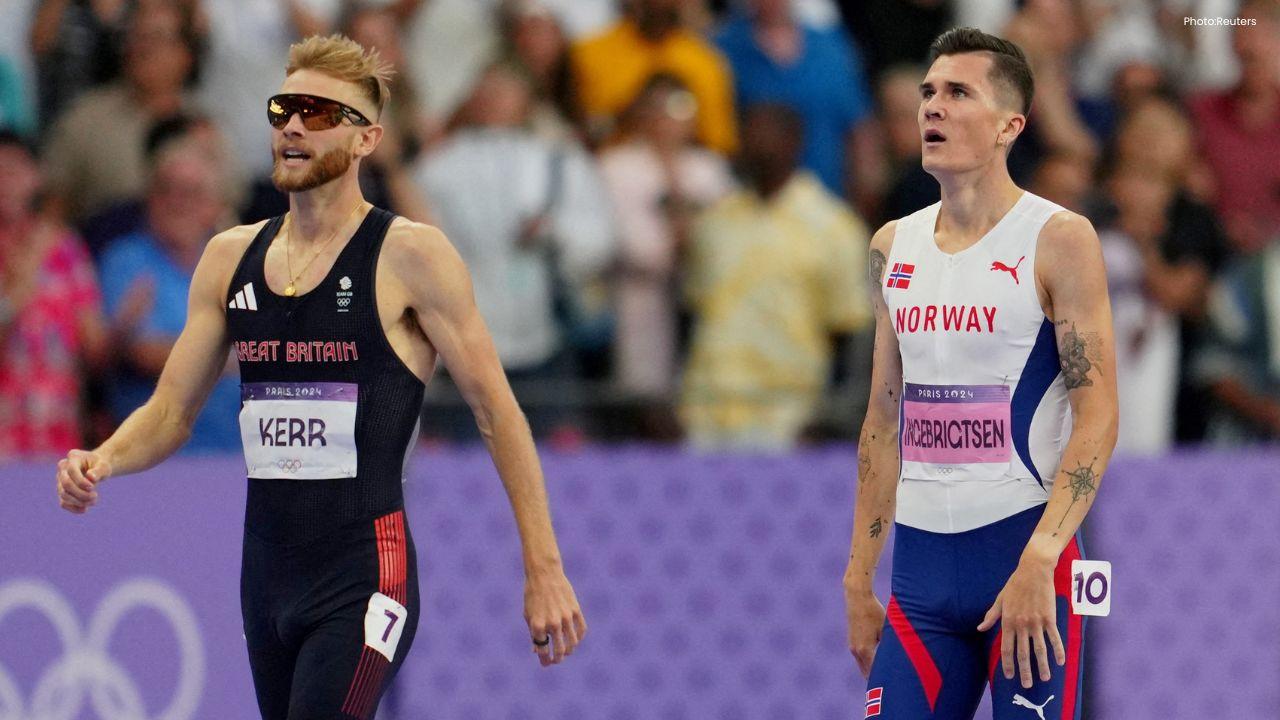
Josh Kerr and Jakob Ingebrigtsen Set for 1,500m Rivalry Rematch
Josh Kerr and Jakob Ingebrigtsen will renew their 1,500m rivalry at the Ultimate Championship in Bud
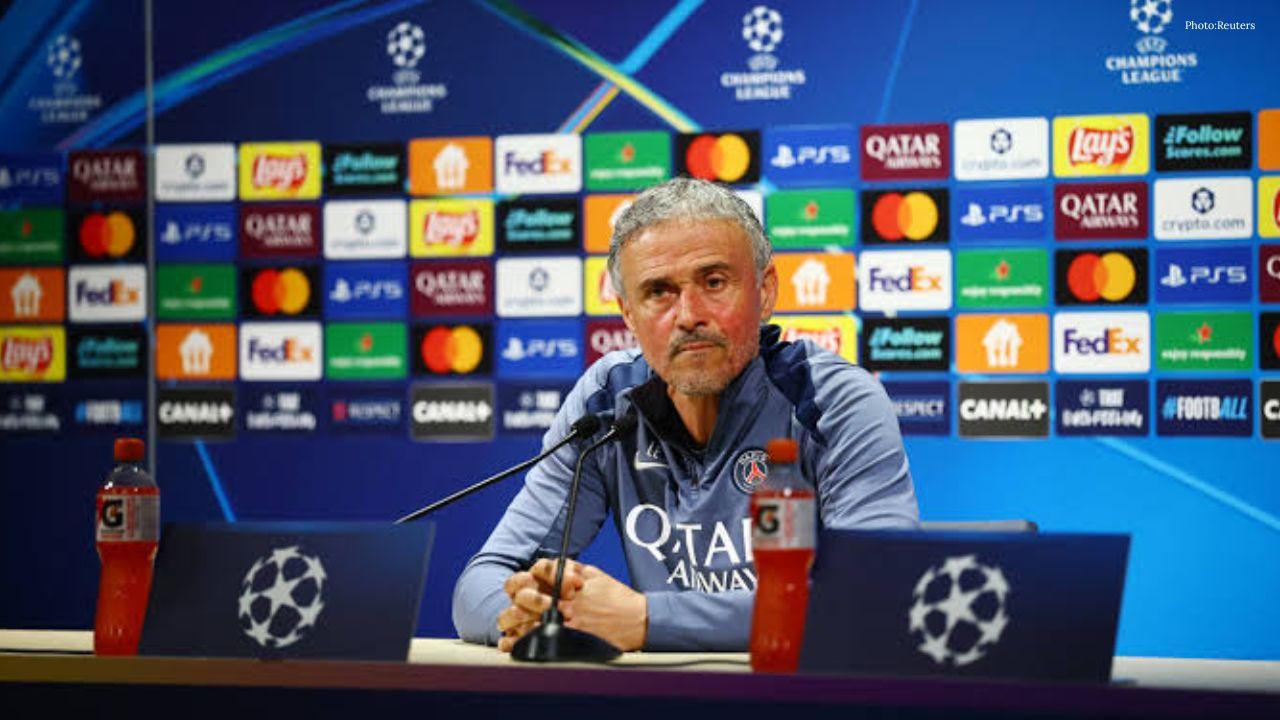
PSG Coach Luis Enrique Urges Players to Step Outside Comfort Zone
PSG coach Luis Enrique says players must leave their comfort zone and keep improving as the club tar

China’s Tiangong Sets New 400m Record at Robot Olympics
China’s Tiangong robot sets a new 400m record at the Robot Olympics, beating a South African robot i

George Russell Wins Dutch GP Sprint, Boosts Mercedes Morale
George Russell wins the Dutch GP Sprint from pole as Mercedes teammate Kimi Antonelli extends his F1

Australia 50/3 After Bangladesh Bowled Out for 64 in Second Test
Australia reached 50/3 after Bangladesh were bowled out for 64 in the second Test, with Mitchell Sta

