
You have not yet added any article to your bookmarks!
Join 10k+ people to get notified about new posts, news and tips.
Do not worry we don't spam!
Post by : Shweta
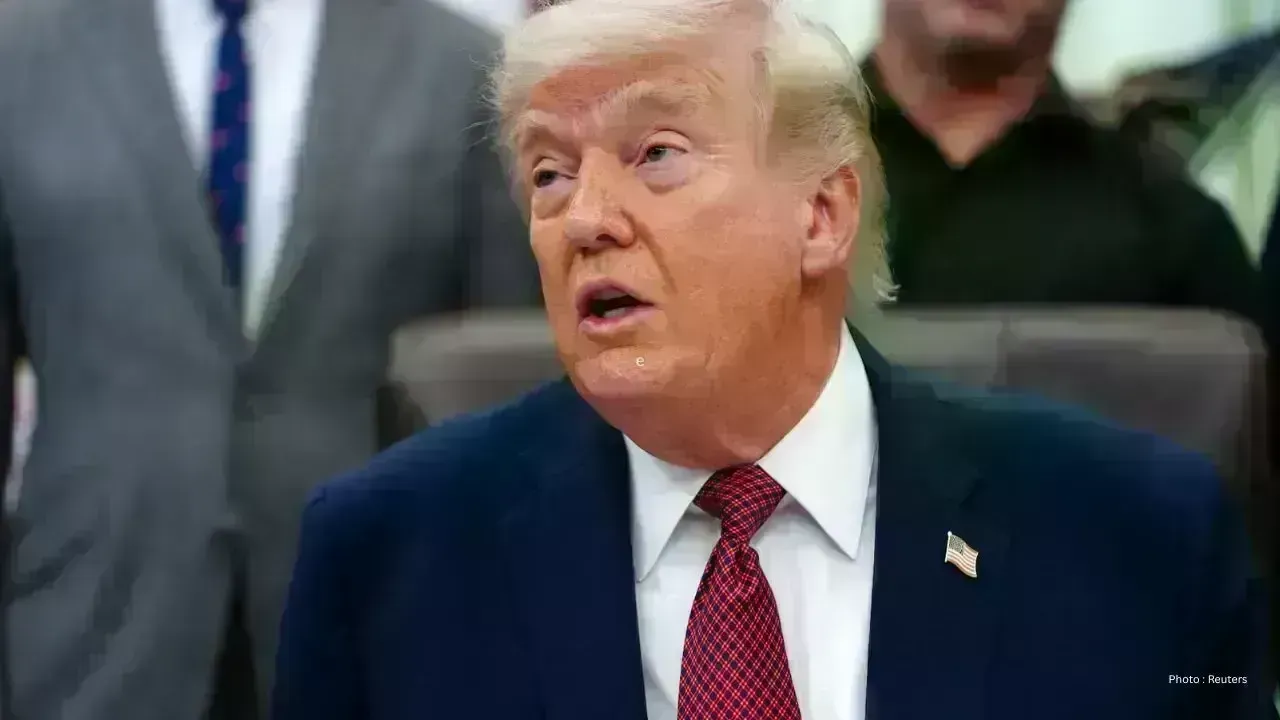
In a recent announcement, U.S. President Donald Trump indicated that military actions against Iran could resurface if Tehran chooses to “misbehave.” This statement was made while his team evaluates a new peace initiative aimed at easing ongoing tensions between the two nations. These remarks come at a precarious moment in the broader conflict involving the United States, Iran, and its regional allies in the Middle East.
While traveling from Florida to Miami, Trump informed reporters that U.S. officials are currently analyzing the latest Iranian proposal, which was conveyed through intermediaries. He acknowledged the administration's careful review but voiced skepticism regarding the likelihood of approval from Washington.
Additionally, Trump reiterated that military options remain plausible if Iran fails to engage cooperatively or heightens tensions. “If they misbehave, if they do something harmful, it’s a possibility,” he declared when inquired about the potential for future strikes.
The recent strain in relations follows reports of a 14-point proposal Iran submitted through Pakistani mediators aimed at rekindling diplomacy and averting further conflict. According to Iranian media, this proposal seeks concessions on sanctions relief, the reopening of trade and shipping routes, reducing military pressure, and regaining access to frozen assets.
However, the proposal reportedly does not immediately tackle concerns surrounding Iran's nuclear ambitions, which remain a critical issue for Washington. U.S. officials suggest that any substantive deal must first address Iran's nuclear program before other matters can be negotiated.
A ceasefire between Iran and the U.S. has been in effect since early April following significant military escalations throughout the Middle East. The ongoing conflict has elevated fears of a more extensive regional war, impacted oil markets, and heightened worries regarding the safety of maritime passages in the Strait of Hormuz, a pivotal route for global energy trade.
Iranian officials have recently issued potent warnings, with members of the Islamic Revolutionary Guard Corps stating that the U.S. faces a choice: either persist in what they characterize as an “impossible” military action or concede to a “bad deal.”
Meanwhile, Trump indicated that the U.S. is gearing up to safeguard commercial shipping within the Gulf region amidst escalating maritime security concerns. Reports suggest that numerous vessels are experiencing delays due to the rising tensions near the Strait of Hormuz.
Political analysts note that this exchange of warnings reflects the fragility of diplomacy between Washington and Tehran. Although channels for communication remain open via intermediaries, pronounced divisions over issues like sanctions, regional defense strategies, and Iran’s nuclear program continue to hinder any potential agreement.
Global leaders are closely tracking the developments as any major conflict in the Middle East could impact international oil prices, global commerce, and regional stability. Presently, diplomatic endeavors are ongoing, though significant uncertainty persists as both nations maintain military readiness.










PM Modi Pays Tribute to Mahatma Gandhi, Urges People to Support Khadi
PM Modi pays tribute to Mahatma Gandhi on Gandhi Jayanti and urges citizens to support Khadi and the

Amazon Seeks to Offload $8 Billion in Nvidia Chips to Investors
Amazon plans to move $8 billion in Nvidia chips to investors, using a new financing model to strengt

Samsung Raises Galaxy S26 Prices as Memory Chip Costs Rise
Samsung raises Galaxy S26 prices in South Korea as rising memory chip costs put pressure on smartpho

Lewis Hamilton Calls Singapore Grand Prix One of F1's Toughest Races
Lewis Hamilton discusses the demanding Singapore Grand Prix and brings Plus44 and Almave to Singapor

Denmark's Pandora Opens World's Largest Jewellery Factory in Vietnam
Pandora opens its largest jewellery factory in Vietnam, expanding global production, strengthening s

Gautam Gambhir Questions Batting-Friendly Pitches After India's Record ODI Chase
Gautam Gambhir questions batting-friendly ODI pitches after India’s record chase, calling for a bett

