
You have not yet added any article to your bookmarks!
Join 10k+ people to get notified about new posts, news and tips.
Do not worry we don't spam!
Post by : Shweta
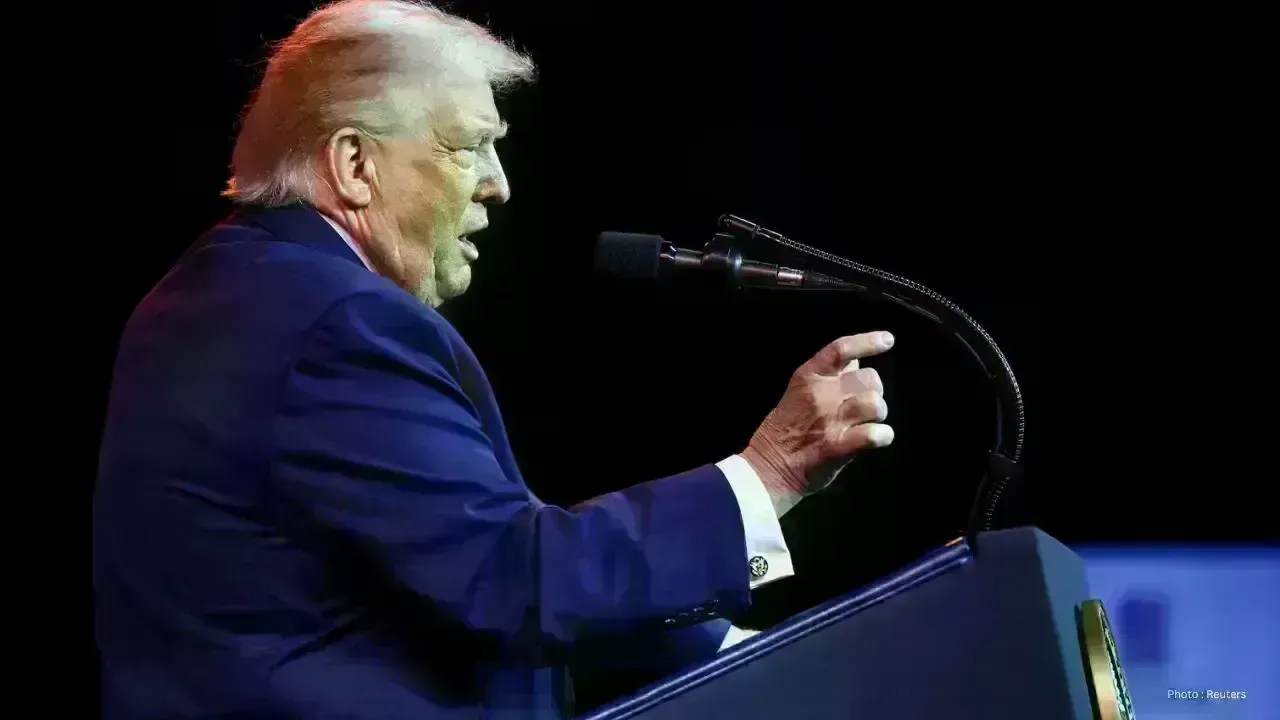
Following his recent trip to China, Donald Trump is considering new military options against Iran, as reported by various media outlets. Internal discussions within the White House and Pentagon have heated up amidst stalled diplomatic relations with Tehran and increasing tensions around Iran's nuclear ambitions and the Strait of Hormuz.
Reports indicate that Pentagon officials are preparing multiple military strategies dubbed “Epic Fury 2.0.” This refers to a potential escalation of U.S. military operations aimed at Iranian infrastructure. These plans reportedly include airstrikes, heightened naval presence, and specialized missions should negotiations with Iran completely break down.
This renewed military consideration follows Trump’s discussions with Xi Jinping in Beijing, where both nations agreed on preventing Iran's development of nuclear weapons and ensuring the Strait of Hormuz remains unobstructed for global shipping. However, China has refrained from supporting military pressure, urging instead for stability and dialogue.
The Strait of Hormuz poses a significant concern for Washington as a crucial oil shipping conduit. Following earlier military skirmishes, Iran has restricted certain maritime activities, prompting sensitivity in global energy markets, which could see a sharp rise in oil prices due to any major disruption.
According to the latest reports, Pentagon planners are evaluating various scenarios in case tensions escalate further. Options include enhanced bombing campaigns targeting military command centers, missile facilities, and nuclear infrastructure, as well as operations aimed at securing highly enriched uranium at key sites.
During an Air Force One conversation, Trump dismissed Iran’s recent diplomatic efforts, insisting that his “patience is running out” while reiterating demands for Iran to cease its nuclear endeavors. Iranian officials stated their forces are fully equipped to respond to potential military actions from the U.S. and its allies.
Military analysts describe the situation as precarious, with both sides intensifying pressure while diplomatic attempts falter. Currently, over 50,000 U.S. troops, along with several warships and aircraft, are stationed throughout the Middle East as a part of ongoing military readiness operations.
Despite a strong military presence, experts note that Trump is facing domestic political and economic challenges, including rising oil prices and concerns about prolonged military engagement in the Middle East. The administration may still favor a negotiated outcome if Iran is willing to reopen shipping lanes and ease nuclear tensions.
Security analysts caution that even limited strikes could provoke broader regional instability, involving Iranian-backed militias and jeopardizing shipping routes. Consequently, global governments and markets are closely monitoring developments to ascertain whether diplomacy can avert further military escalation in the region.










PM Modi Pays Tribute to Mahatma Gandhi, Urges People to Support Khadi
PM Modi pays tribute to Mahatma Gandhi on Gandhi Jayanti and urges citizens to support Khadi and the

Amazon Seeks to Offload $8 Billion in Nvidia Chips to Investors
Amazon plans to move $8 billion in Nvidia chips to investors, using a new financing model to strengt

Samsung Raises Galaxy S26 Prices as Memory Chip Costs Rise
Samsung raises Galaxy S26 prices in South Korea as rising memory chip costs put pressure on smartpho

Lewis Hamilton Calls Singapore Grand Prix One of F1's Toughest Races
Lewis Hamilton discusses the demanding Singapore Grand Prix and brings Plus44 and Almave to Singapor

Denmark's Pandora Opens World's Largest Jewellery Factory in Vietnam
Pandora opens its largest jewellery factory in Vietnam, expanding global production, strengthening s

Gautam Gambhir Questions Batting-Friendly Pitches After India's Record ODI Chase
Gautam Gambhir questions batting-friendly ODI pitches after India’s record chase, calling for a bett

