
You have not yet added any article to your bookmarks!
Join 10k+ people to get notified about new posts, news and tips.
Do not worry we don't spam!
Post by : Shweta
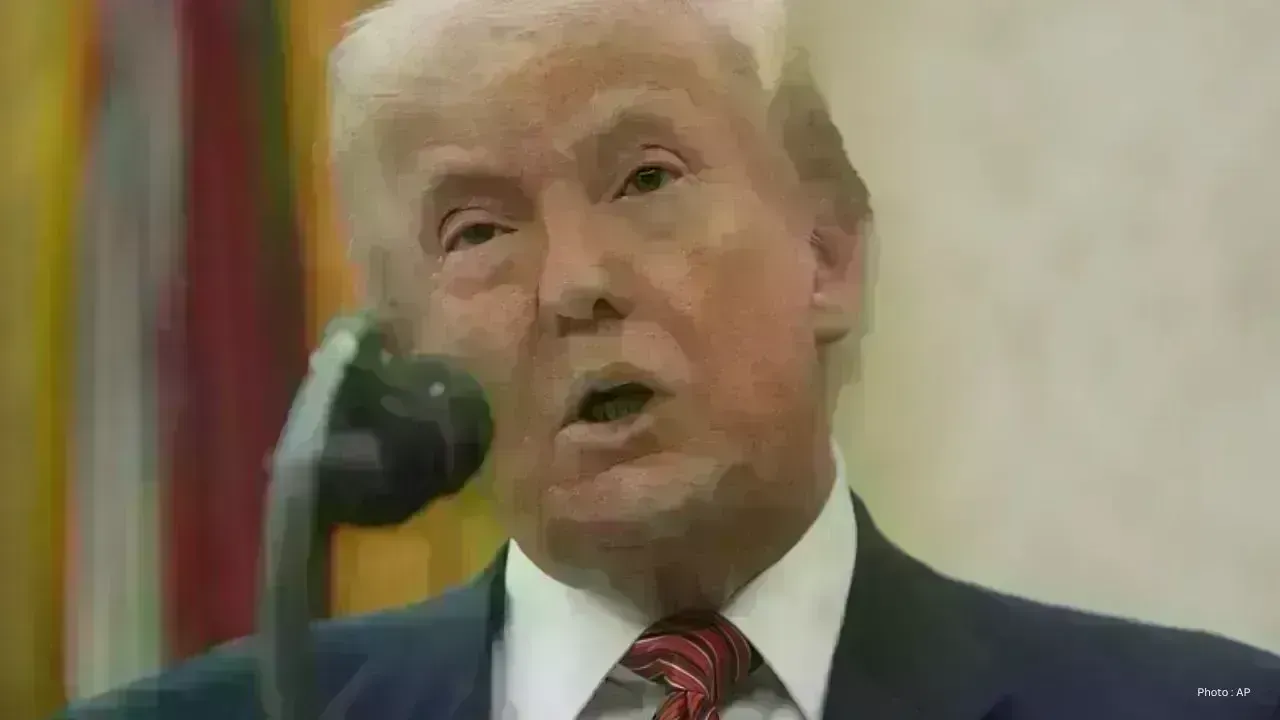
In a significant development, U.S. President Donald Trump announced a pause in military strikes against Iran, responding to appeals from leaders in Qatar, Saudi Arabia, and the UAE for extra negotiation time. Initially scheduled for action on Tuesday, Trump put the military campaign on hold to facilitate what he described as “serious negotiations” with Tehran.
Trump's remarks were shared on Truth Social, where he indicated discussions took place with notable leaders including Qatar’s Emir Sheikh Tamim bin Hamad Al Thani, Saudi Crown Prince Mohammed bin Salman, and UAE President Mohamed bin Zayed Al Nahyan. The consensus among these Gulf leaders was that a diplomatic solution satisfactory to both the U.S. and the broader Middle East could still be achievable.
He confirmed orders to U.S. Defense Secretary Pete Hegseth and Joint Chiefs Chairman General Daniel Caine to pause the planned offensive. Yet, Trump cautioned that the U.S. remains prepared for a “full, large scale assault” against Iran should negotiations falter or if Tehran rebuffs Washington’s conditions.
This announcement arrives against the backdrop of escalating tensions in the Middle East, where recent months have seen heightened military confrontations involving the U.S., Israel, and Iran. Key issues have revolved around drone operations, missile strikes, and threats related to Iran’s nuclear ambitions, particularly concerning the vital oil shipping passage through the Strait of Hormuz.
Reports indicate that Iran has proposed a revised peace plan to the U.S. via Pakistani intermediaries, with the details of which remain largely under wraps. Sources familiar with the ongoing discussions reveal that topics covered include sanctions relief, constraints on nuclear development, regional security assurances, and measures aimed at reducing military strains in the Gulf.
Emphasizing the necessity of preventing Iran from acquiring nuclear weapons, Trump expressed hope that a diplomatic route could avert further conflict. However, he warned that military options remain viable should Tehran fail to cooperate. “If we can do that without bombing the hell out of them, I would be very happy,” he remarked regarding the talks.
The involved Gulf states, particularly Saudi Arabia, Qatar, and the UAE, are reportedly apprehensive about the ramifications of a potential broader conflict, given their key role hosting U.S. military assets and energy infrastructure that could be at risk in the event of war. Analysts suggest these nations are striving to prevent further cycles of violence that could destabilize the region and disrupt global oil markets.
Following Trump’s speech, oil market responses emerged with a slight reduction in energy prices as investors speculated that diplomacy could mitigate military tensions. Nonetheless, uncertainty lingers as situations could swiftly alter pending the progression of negotiations or any fresh instances of aggression in the region.
Within the U.S., political responses have varied. While some Republicans and national security figures emphasize a firm military stance is essential to curtail Iran’s nuclear pursuits, others caution against another expansive Middle Eastern conflict, observing potential detrimental effects on the global economy, fuel prices, and escalating U.S. involvement in prolonged regional strife.
For the moment, dialogues between Washington and Tehran appear to be ongoing, with Gulf nations playing pivotal mediating roles. Trump remains optimistic about the possibility of achieving a deal, yet reiterates that the U.S. is prepared for military intervention should diplomatic efforts fail.










PM Modi Pays Tribute to Mahatma Gandhi, Urges People to Support Khadi
PM Modi pays tribute to Mahatma Gandhi on Gandhi Jayanti and urges citizens to support Khadi and the

Amazon Seeks to Offload $8 Billion in Nvidia Chips to Investors
Amazon plans to move $8 billion in Nvidia chips to investors, using a new financing model to strengt

Samsung Raises Galaxy S26 Prices as Memory Chip Costs Rise
Samsung raises Galaxy S26 prices in South Korea as rising memory chip costs put pressure on smartpho

Lewis Hamilton Calls Singapore Grand Prix One of F1's Toughest Races
Lewis Hamilton discusses the demanding Singapore Grand Prix and brings Plus44 and Almave to Singapor

Denmark's Pandora Opens World's Largest Jewellery Factory in Vietnam
Pandora opens its largest jewellery factory in Vietnam, expanding global production, strengthening s

Gautam Gambhir Questions Batting-Friendly Pitches After India's Record ODI Chase
Gautam Gambhir questions batting-friendly ODI pitches after India’s record chase, calling for a bett

