
You have not yet added any article to your bookmarks!
Join 10k+ people to get notified about new posts, news and tips.
Do not worry we don't spam!
Post by : Rameen Ariff
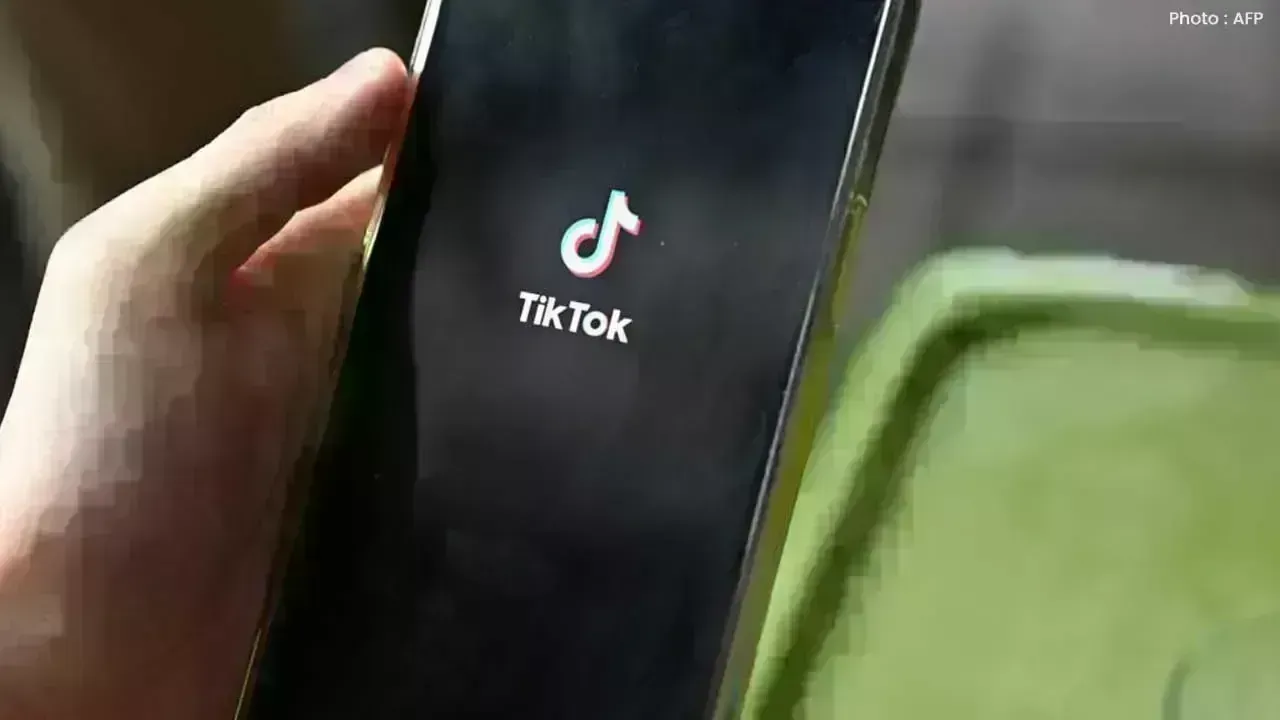
TikTok has announced it will block users under 16 in Australia starting December 16, following the country’s new social media legislation. The move means that teens under 16 will no longer be able to create new TikTok accounts, and existing accounts for this age group will be deactivated. The social media giant has urged parents to have open conversations with their children to ensure they provide accurate age information.
Australia is set to implement the world-first law on December 10, which restricts children under 16 from using major social media platforms, including TikTok, Instagram, and YouTube. Companies that fail to comply may face fines of up to AUD 49.5 million (approximately USD 32 million).
Under TikTok’s new measures, teenagers with existing accounts will receive a notification informing them that their accounts will be deactivated. Content previously posted by these users will no longer be publicly visible. However, affected teens will have options to appeal by verifying their age through methods such as official identification, facial recognition, or credit card authorization. Users will also have the choice to download their data, delete their accounts, or request a reminder to regain access when they turn 16.
TikTok acknowledged that these changes “may be upsetting” but emphasized that they are necessary for compliance with Australian law. The platform’s statement encouraged parents to guide their teens in sharing accurate information about their age to avoid disruptions.
Australia’s Communications Minister Anika Wells highlighted the importance of the law, noting that some teenagers have suffered severe emotional harm due to social media algorithms that negatively affected their self-esteem. She stated that while the law cannot solve all online issues, it provides young Australians with a safer environment to develop and explore their interests without harmful content.
The legislation has sparked global interest as countries monitor Australia’s approach to protecting children online. Malaysia has indicated plans to implement similar restrictions on under-16s next year, while New Zealand is also considering a comparable ban.
Despite the widespread support, the law faces legal challenges. The Digital Freedom Project has filed a case in Australia’s High Court, arguing that the restrictions unfairly limit freedom of speech. The court will consider whether the legislation strikes the right balance between protecting children and preserving online expression.
As social media continues to play a central role in young people’s lives, Australia’s initiative marks a significant step in regulating access for children, with TikTok and other platforms preparing to adapt to the new rules.








Josh Kerr and Jakob Ingebrigtsen Set for 1,500m Rivalry Rematch
Josh Kerr and Jakob Ingebrigtsen will renew their 1,500m rivalry at the Ultimate Championship in Bud

PSG Coach Luis Enrique Urges Players to Step Outside Comfort Zone
PSG coach Luis Enrique says players must leave their comfort zone and keep improving as the club tar

China’s Tiangong Sets New 400m Record at Robot Olympics
China’s Tiangong robot sets a new 400m record at the Robot Olympics, beating a South African robot i

George Russell Wins Dutch GP Sprint, Boosts Mercedes Morale
George Russell wins the Dutch GP Sprint from pole as Mercedes teammate Kimi Antonelli extends his F1

Australia 50/3 After Bangladesh Bowled Out for 64 in Second Test
Australia reached 50/3 after Bangladesh were bowled out for 64 in the second Test, with Mitchell Sta

Jordan Burroughs Returns to Wrestling with 2028 Olympic Dream
Jordan Burroughs returns to wrestling with Real American Freestyle as the Olympic champion eyes a po

