
You have not yet added any article to your bookmarks!
Join 10k+ people to get notified about new posts, news and tips.
Do not worry we don't spam!
Post by : Samjeet Ariff
Disclaimer: This article is for informational and educational purposes only. It does not constitute financial advice. Always consult a certified financial advisor before making major borrowing or investment decisions.
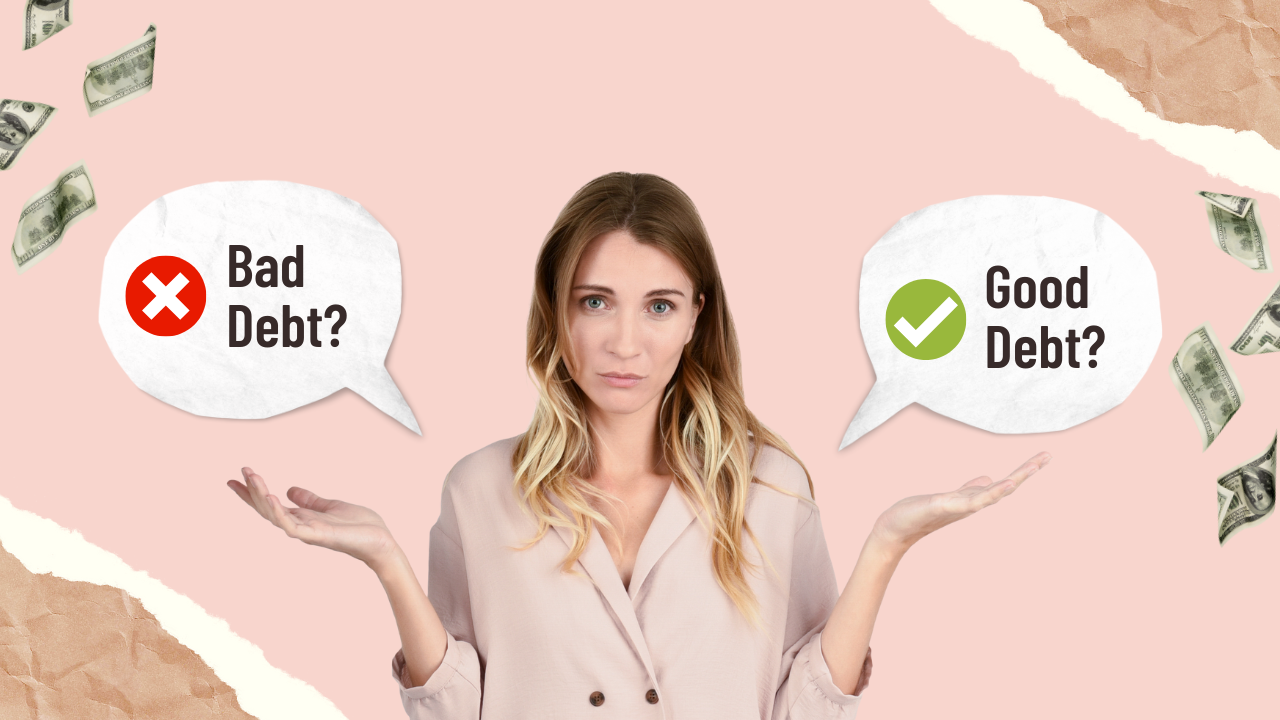
Debt is often seen as something negative — a burden to avoid. But in reality, not all debt is bad. When used wisely, certain types of debt can actually help you grow financially, improve your credit score, and build long-term wealth.
The key is knowing how to tell the difference between good debt and bad debt — and how each affects your financial future.
Good debt is any borrowed money that helps you generate income, increase your net worth, or improve your long-term financial position. It’s an investment in your future that has the potential to pay off over time.
Common examples include:
Student loans: Education can lead to better job opportunities and higher lifetime earnings.
Home loans (mortgages): Property often appreciates in value, helping you build equity.
Business loans: Borrowing to expand or start a business can yield long-term profits.
Good debt is usually tied to an asset — something that grows in value or produces income.
For example:
If you borrow money to buy a rental property that brings in monthly rent exceeding your loan payments, your debt is actually working for you.
Bad debt, on the other hand, is borrowing money to buy things that depreciate in value or don’t generate income. It often comes with high interest rates and no lasting benefit.
Common examples include:
Credit card debt: Buying unnecessary items on credit and paying high interest rates.
Personal loans for vacations or luxury items: Short-term enjoyment, long-term repayment.
Car loans (in most cases): Cars lose value the moment they leave the showroom.
Bad debt drains your cash flow, increases financial stress, and prevents you from saving or investing effectively.
| Factor | Good Debt | Bad Debt |
|---|---|---|
| Purpose | Helps you build wealth or increase income | Spent on non-essential, depreciating items |
| Returns | Provides future financial benefits | Offers short-term satisfaction |
| Interest Rate | Often lower or tax-deductible | Typically high and compounding |
| Impact on Credit | Can improve credit if managed well | Can damage credit if misused |
| Example | Home loan, student loan, business loan | Credit card debt, payday loan, luxury spending |
1. Borrow only for appreciating assets or income growth.
Before taking any loan, ask: Will this purchase make or save me money in the future? If not, it might be bad debt.
2. Keep your interest rates as low as possible.
Shop around for better rates or consider refinancing options if you already have existing loans.
3. Maintain a strong credit score.
Good credit history allows you to access lower-interest loans and better financial opportunities.
4. Avoid borrowing for lifestyle upgrades.
New phones, gadgets, or vacations should come from savings — not credit.
5. Pay off high-interest debt first.
Use the avalanche method (tackle highest interest rates first) or snowball method (clear smallest balances first) to reduce debt efficiently.
When used wisely, good debt can accelerate your financial growth. Here’s how:
Home equity grows as you pay off your mortgage and property value increases.
Education loans can lead to better-paying jobs, increasing your earning potential.
Business financing can help expand operations, resulting in higher long-term profits.
In essence, good debt is an investment — it should make you more money than it costs over time.
If you’re constantly using credit cards to cover basic expenses or if your debt payments take up more than 30% of your monthly income, that’s a red flag.
Other warning signs include:
Paying only minimum amounts on your credit cards.
Borrowing to repay another loan.
Ignoring monthly statements or feeling stressed about bills.
Bad debt doesn’t just impact your wallet — it can affect your mental well-being and limit future opportunities.
Create a debt management plan. List all debts, interest rates, and due dates to stay organized.
Build an emergency fund. Having at least three to six months of savings prevents unnecessary borrowing.
Invest while repaying good debt. Don’t stop saving or investing entirely — strike a balance.
Seek professional guidance. Financial advisors can help structure repayment plans or refinancing strategies.
Debt itself isn’t the enemy — how you use it determines your financial future. Good debt can open doors to wealth, education, and stability. Bad debt can trap you in a cycle of repayments and regret.
If you treat borrowing as a tool rather than a shortcut, you’ll be able to make smarter financial decisions, build assets, and maintain control over your money.
Remember: it’s not about avoiding debt completely — it’s about using it wisely.










PSG Coach Luis Enrique Urges Players to Step Outside Comfort Zone
PSG coach Luis Enrique says players must leave their comfort zone and keep improving as the club tar

China’s Tiangong Sets New 400m Record at Robot Olympics
China’s Tiangong robot sets a new 400m record at the Robot Olympics, beating a South African robot i

George Russell Wins Dutch GP Sprint, Boosts Mercedes Morale
George Russell wins the Dutch GP Sprint from pole as Mercedes teammate Kimi Antonelli extends his F1

Australia 50/3 After Bangladesh Bowled Out for 64 in Second Test
Australia reached 50/3 after Bangladesh were bowled out for 64 in the second Test, with Mitchell Sta

Jordan Burroughs Returns to Wrestling with 2028 Olympic Dream
Jordan Burroughs returns to wrestling with Real American Freestyle as the Olympic champion eyes a po

Lamborghini Catches Fire on Singapore's ECP, Causing Heavy Traffic
A Lamborghini caught fire on Singapore's ECP, causing heavy traffic and bus delays. No injuries were

