You have not yet added any article to your bookmarks!
Join 10k+ people to get notified about new posts, news and tips.
Do not worry we don't spam!
Post by : Sameer Farouq
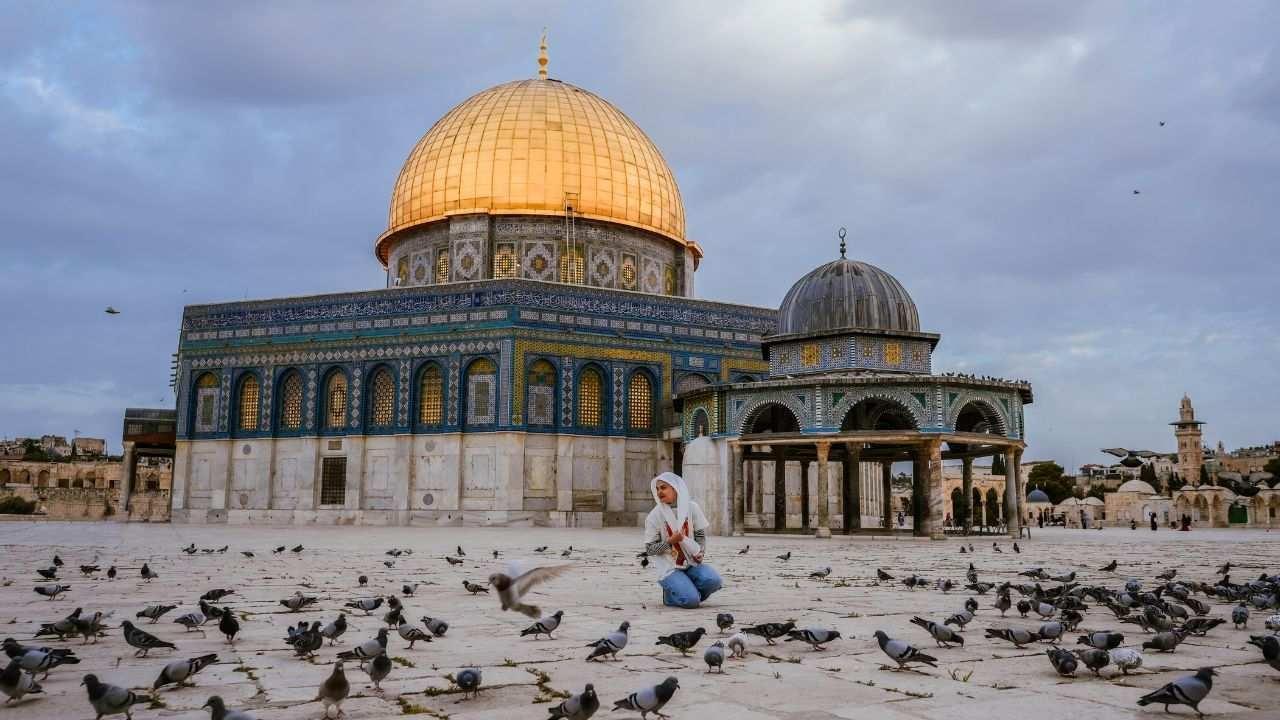
Located in Jerusalem, Masjid Al-Aqsa stands as one of Islam's most revered religious landmarks. For centuries, this mosque has served as a center of spiritual devotion, learning, and historical depth. Frequently referred to as the “Farthest Mosque” in the Quran, Al-Aqsa holds a special place not only due to its sanctity but also as a significant site in Islamic history. Muslims around the globe view it as a symbol of faith, heritage, and perseverance.
Masjid Al-Aqsa is a key part of Al-Haram Al-Sharif (Noble Sanctuary), alongside the Dome of the Rock. Historical evidence suggests the mosque's establishment occurred soon after the Prophet Muhammad’s (PBUH) Night Journey (Isra and Mi’raj), which took him from Masjid Al-Haram in Mecca to Masjid Al-Aqsa in Jerusalem.
The mosque has witnessed numerous empires' rise and decline, including the Umayyads, Abbasids, and Ottomans, each contributing to its architectural grandeur, scholarly relevance, and religious significance.
The Night Journey (Isra and Mi’raj)
Referenced in the Quran in Surah Al-Isra (17:1), Masjid Al-Aqsa is celebrated for its holiness: “Glory to Him who made His servant travel by night from the Sacred Mosque to the Farthest Mosque.” This journey, commemorated annually, is a momentous event that demonstrates the mosque’s profound spiritual significance, as it marks the Prophet Muhammad’s (PBUH) ascension to the heavens.
First Qibla in Islam
Before the Qibla was redirected to Masjid Al-Haram in Mecca, Muslims initially prayed toward Masjid Al-Aqsa. This highlights its pivotal role in the early Islamic faith and spiritual traditions.
Dome of the Rock and Surroundings
The Dome of the Rock, often confused with Al-Aqsa itself, is located within the same compound. The Al-Aqsa Mosque features unique silver-grey domes, graceful arches, and intricate mosaics, showcasing Islamic artistic heritage. Its design reflects centuries of cultural development and the commitment of Muslim rulers who have restored and maintained the mosque throughout history.
Center for Knowledge and Scholarship
Historically, Masjid Al-Aqsa served as a hub for education, attracting scholars worldwide who came to study theology, jurisprudence, and the Quran. This legacy of learning continues, reinforcing the mosque's status as a beacon of wisdom and religious guidance.
Significant Role in Early Islamic Periods
During the Rashidun and Umayyad eras, Masjid Al-Aqsa emerged as a crucial center for governance, education, and spirituality. Caliphs and leaders invested in its maintenance, solidifying its standing as a representation of Islamic authority and devotion.
Crusader Period and Restoration
Throughout the Crusades, Masjid Al-Aqsa faced substantial changes, transformed into a church before being restored as a mosque post-Muslim reconquest. This history illustrates the mosque's resilience and everlasting spiritual relevance.
While not part of the Hajj pilgrimage, visiting Masjid Al-Aqsa is regarded as highly commendable in Islam. Pilgrims often pray at the site, reciting Quranic verses and reflecting upon its sacred past. The mosque continues to inspire millions through its deep ties to Islamic spirituality.
In modern times, Masjid Al-Aqsa remains a beacon of unity and faith for Muslims globally. It continues to serve as a place for worship, education, and cultural preservation, transcending political and social challenges in Jerusalem, representing the resilience and commitment of the Muslim community.
Conservation Initiatives
Local communities and international organizations strive to maintain the structural integrity, historical artifacts, and cultural heritage of Masjid Al-Aqsa. Such conservation is vital for ensuring future generations can appreciate its spiritual and historical significance.
It is Islam’s third holiest site, endowed with extraordinary spiritual importance.
Originally served as the first Qibla in Islamic tradition before Mecca.
Connected to the miraculous Night Journey of Prophet Muhammad (PBUH).
A historically significant center of governance, scholarship, and culture.
Continues to represent faith, unity, and Islamic cultural heritage today.
This article is for educational and informational purposes only. The historical and religious details provided are based on Islamic texts and scholarly sources. Readers are encouraged to verify facts independently and respect local guidelines when visiting religious sites. The author and website are not accountable for any travel, legal, or religious matters regarding Masjid Al-Aqsa.








George Russell Wins Dutch GP Sprint, Boosts Mercedes Morale
George Russell wins the Dutch GP Sprint from pole as Mercedes teammate Kimi Antonelli extends his F1

Australia 50/3 After Bangladesh Bowled Out for 64 in Second Test
Australia reached 50/3 after Bangladesh were bowled out for 64 in the second Test, with Mitchell Sta

Jordan Burroughs Returns to Wrestling with 2028 Olympic Dream
Jordan Burroughs returns to wrestling with Real American Freestyle as the Olympic champion eyes a po

Lamborghini Catches Fire on Singapore's ECP, Causing Heavy Traffic
A Lamborghini caught fire on Singapore's ECP, causing heavy traffic and bus delays. No injuries were

Bangkok Airport Duty-Free Area Flooded by Pipe Burst
A burst water pipe flooded the duty-free shopping area at Bangkok's Suvarnabhumi Airport on July 16,
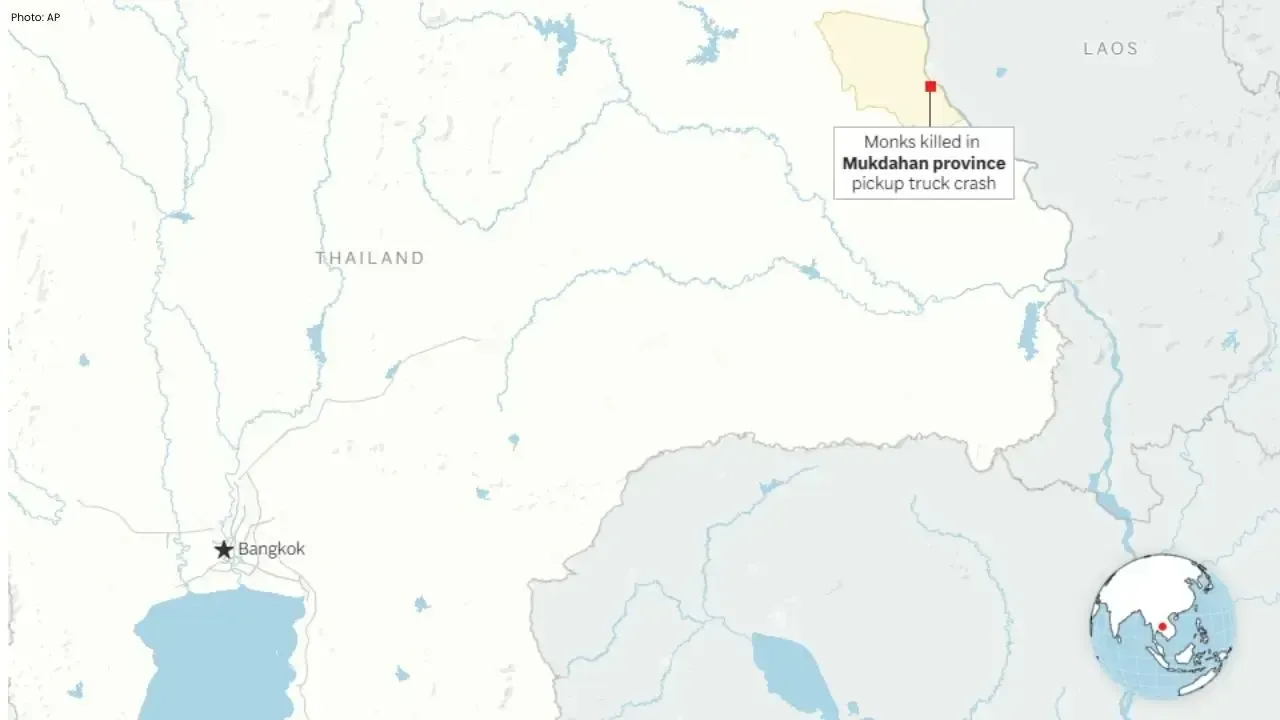
Nine Monks Killed in Thailand Pickup Truck Tragedy
An 11-year-old boy driving a pickup truck crashed into monks during a pilgrimage in northeastern Tha