You have not yet added any article to your bookmarks!
Join 10k+ people to get notified about new posts, news and tips.
Do not worry we don't spam!

Post by : Samjeet Ariff
In an era marked by interconnectivity, fuel and food prices are increasingly influenced by global events rather than just local market conditions. Factors such as wars, climate change, trade regulations, and economic fluctuations can swiftly alter consumer expenses at gas stations and supermarkets. A deeper understanding of these dynamics is essential for households, businesses, and governments to navigate the unpredictability of pricing.
This article provides a transparent analysis of how various global occurrences are affecting fuel and food prices, the reasons behind the escalating frequency of price surges, and the anticipated trends for the future.
The close relationship between fuel and food prices stems from energy being a fundamental input in the food supply chain. Any rise in fuel prices contributes to increases in costs associated with farming, processing, and transportation, often leading to food inflation.
Conversely, food shortages can alter demand for fuel, particularly in agricultural sectors, revealing the inherent link between these essential commodities.
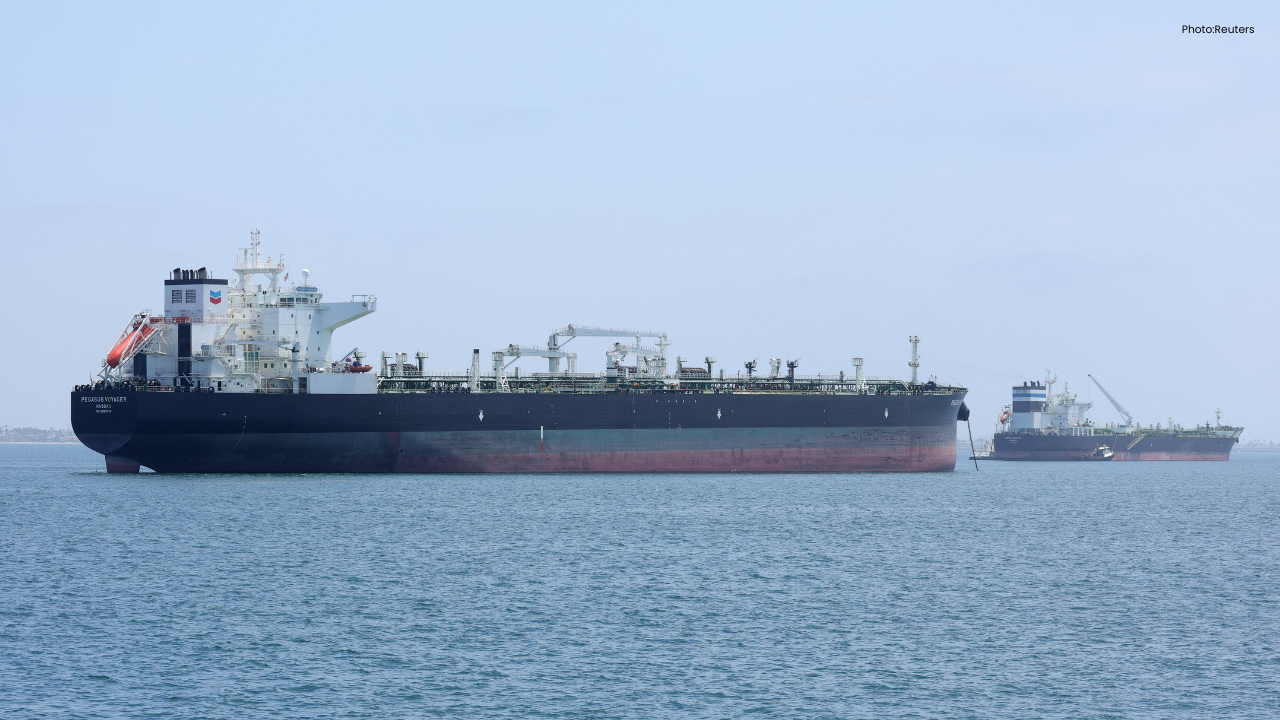
Geopolitical conflicts serve as a major catalyst for price fluctuations in fuel markets, often reacting before any physical supply disruptions take place.
Instability in oil-producing regions raises concerns about supply reliability, prompting traders to hike crude oil and gas prices in response to uncertainties.
Heightened fuel expenses amplify the costs of fertilizer production due to its reliance on natural gas, resulting in diminished crop yields and ultimately higher food prices globally.
During periods of instability, governments frequently resort to export bans, tariffs, and trade limitations. Although such actions aim to stabilize domestic markets, they often exacerbate international price tensions.
Sanctions and export restrictions shrink the supply available in the global arena, compelling reliant states to pay more in competition for scarce resources.
Restrictions from major food exporters can tighten global grain, rice, and oil supplies, leading to pricing surges in importing countries, even if local production remains unaffected.
The growing unpredictability of weather patterns has become a significant player in pricing volatility, particularly concerning food supplies.
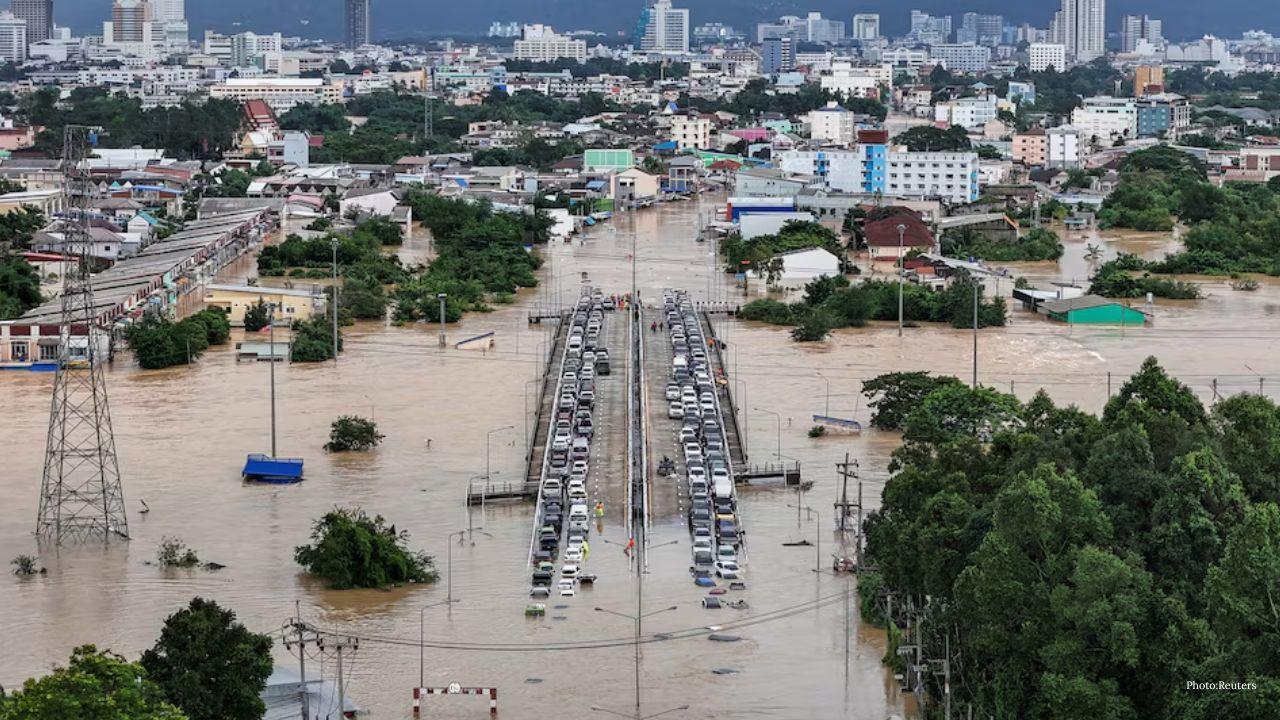
Unwanted weather conditions such as droughts and floods can devastate crop yields and cause logistical delays. When several regions face severe weather at once, it can lead to substantial reductions in global food availability.
Extreme weather events can hinder oil production and logistics, causing supply drops and subsequent price hikes.
Even with raw materials at hand, disruptions in supply chains can inflate costs.
Delays and higher shipping costs caused by congestion and shortages can escalate prices for both fuel and food. Increased transit duration for perishables can lead to greater spoilage, squeezing supply.
Global labor scarcities in essential industries like transport and agriculture raise operational costs, which are then passed onto consumers.
With fuel and food transactions often settled in US dollars, currency variations have a direct impact on import expenses.
When the dollar appreciates, nations using weaker currencies face heightened costs for imports, even if global prices do not shift.
Rising fuel and food costs can contribute to overall inflation, impacting purchasing power and possibly prompting governments to elevate interest rates, further complicating economic dynamics.
Shifts towards renewable energy are altering fuel markets, occasionally resulting in price pressures.
A slowdown in investment can result in a gap between supply and demand, which can trigger price surges.
Regulatory measures such as carbon taxes can increase operational costs, potentially elevating short-term prices.
Fertilizer prices are particularly volatile in response to global events.
As fertilizer expenses correlate closely with energy prices, rising costs may compel farmers to limit usage, leading to diminished yields and subsequently higher food costs.
Chronic high input costs can hinder smaller producers, limit agricultural diversity, and increase reliance on imports.
Growing global demand also plays a crucial role in maintaining elevated prices.
Expanding populations and urban development heighten the demand for energy and food, particularly as incomes in developing regions rise.
This elevated demand can further strain constrained supply chains, intensifying the effects of global events.
While subsidies can offer short-term relief during price spikes, they often accompany undesirable long-term repercussions.
Subsidies tend to shield consumers from immediate price elevations, stabilizing budgets.
Such measures can weaken public finances and hinder beneficial efficiencies. If reduced, subsidies can lead to sudden inflation spikes.
Global events exert varying influences based on energy resources, agricultural capacities, and governmental responses.
Countries within rich energy assets experience less fluctuation in fuel pricing but may still face food inflation from imports.
States that depend heavily on imports stand as the most susceptible to global shocks and price volatility.
The impacts of rising prices are evident for households, manifesting as:
Higher fuel bills and transport costs
Increased grocery bills with reduced package sizes
More price fluctuations with fewer discounts
A tilt towards more affordable local products.
These adjustments indicate that businesses are passing on higher expenses rather than absorbing costs themselves.
Companies are adapting strategies to cope with price fluctuations:
Broadening supplier networks to lessen reliance
Promoting energy efficiency measures and alternative sources
Modifying pricing structures and product sizes
Optimizing inventory and logistics.
Businesses that fail to evolve risk compromising their margins and market competitiveness.
Fuel and food pricing is expected to remain volatile, with key expectations including:
Increased frequency of price variability driven by geopolitical and environmental factors
Diverse regional price stability
Heightened emphasis on local production and food security
Gradual shifts in energy policies affecting long-term fuel prices.
It is prudent for consumers and businesses to brace for volatility rather than predict consistency.
While global scenarios are beyond individual influence, everyday actions can help lessen exposure:
Enhance home energy efficiency
Minimize food waste through planned purchases
Back local food initiatives
Pursue varied income sources where feasible.
Even minor adjustments can alleviate the strain of broader economic challenges.
This article serves as a general informational resource and is not intended as financial, economic, or investment guidance. Fluctuations in pricing, market conditions, and global events may occur without prior notice and exhibit region-specific impacts. Readers are encouraged to consult credible professionals or authoritative data sources before making any financial or business decisions related to fuel or food prices.








Jordan Burroughs Returns to Wrestling with 2028 Olympic Dream
Jordan Burroughs returns to wrestling with Real American Freestyle as the Olympic champion eyes a po

Lamborghini Catches Fire on Singapore's ECP, Causing Heavy Traffic
A Lamborghini caught fire on Singapore's ECP, causing heavy traffic and bus delays. No injuries were

Bangkok Airport Duty-Free Area Flooded by Pipe Burst
A burst water pipe flooded the duty-free shopping area at Bangkok's Suvarnabhumi Airport on July 16,
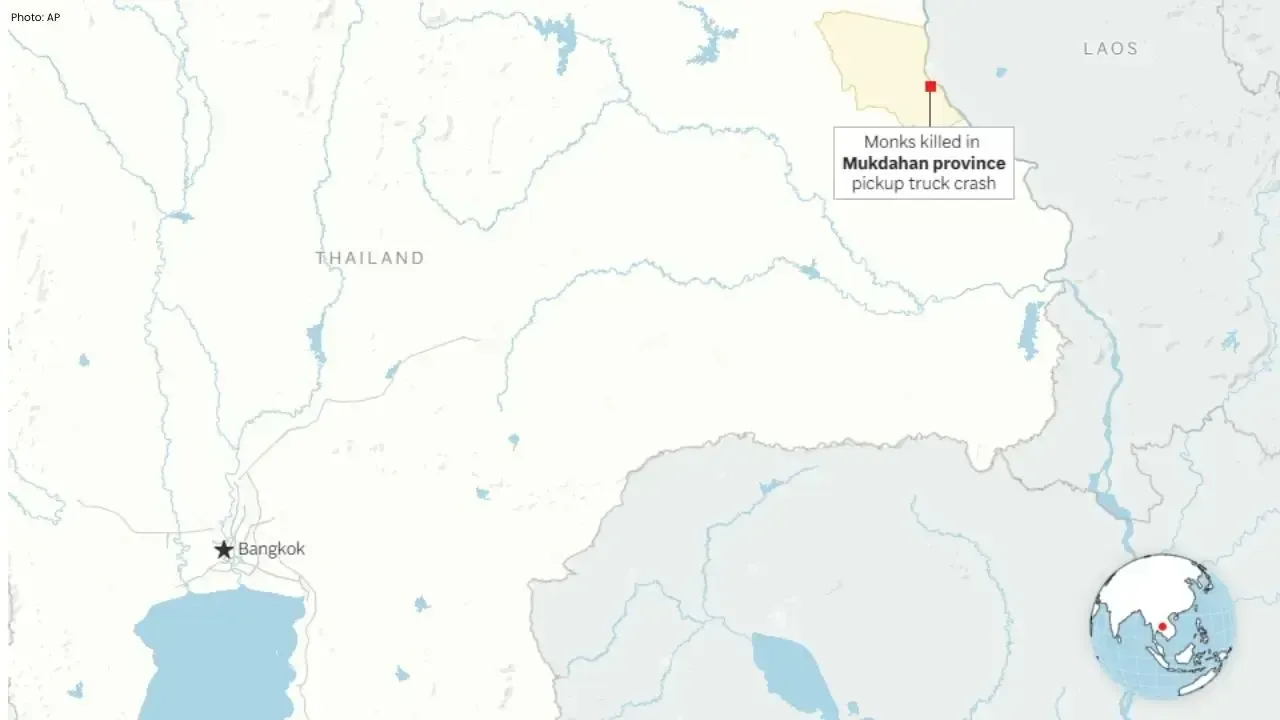
Nine Monks Killed in Thailand Pickup Truck Tragedy
An 11-year-old boy driving a pickup truck crashed into monks during a pilgrimage in northeastern Tha

Anwar Congratulates Xi on CPC's 105th Anniversary
Malaysia reaffirms strong ties with China as PM Anwar Ibrahim sends a congratulatory letter to Presi

Thai Agriculture Team Reviews 2026 Farm Development Plans
Agriculture Ministry officials inspected livestock and organic rice projects in Nakhon Sawan to moni