
You have not yet added any article to your bookmarks!
Join 10k+ people to get notified about new posts, news and tips.
Do not worry we don't spam!
Post by : Rameen Ariff
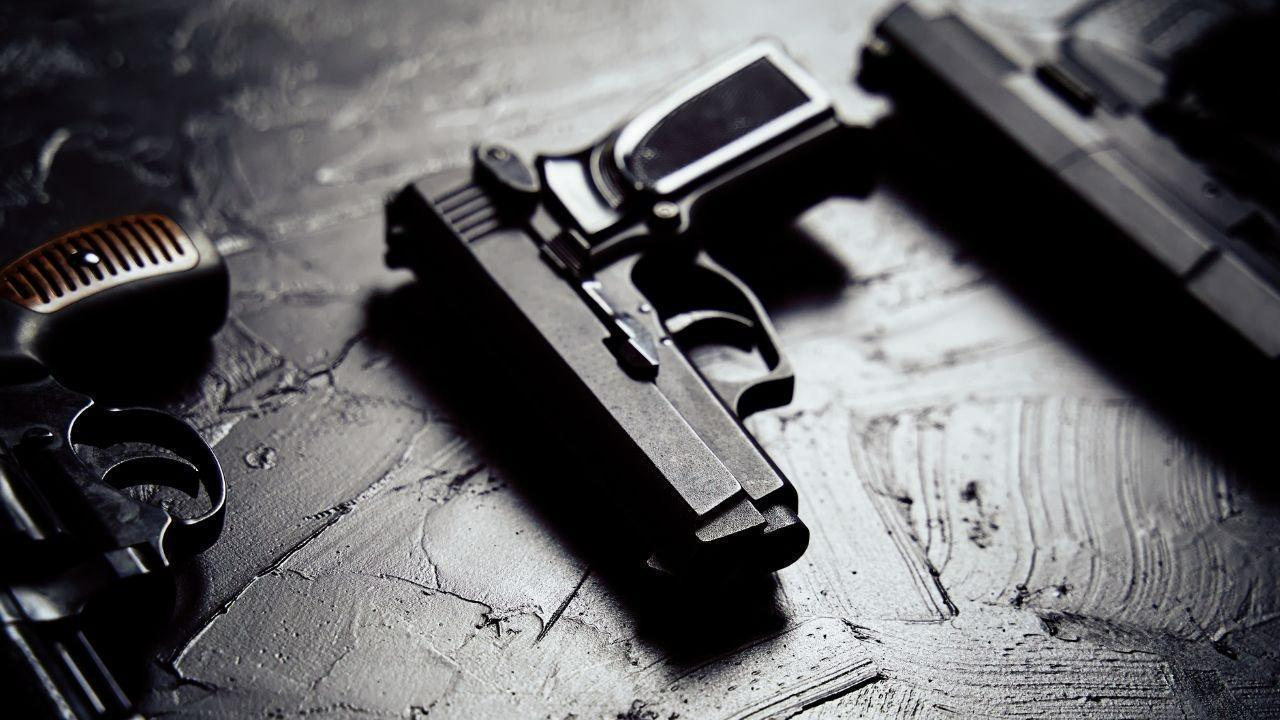
The US Supreme Court is poised to make a pivotal ruling concerning the gun ownership rights of regular marijuana users, a decision that could significantly influence firearms regulations across the country. This case revisits crucial issues surrounding the Second Amendment and federal drug statutes.
In a high-profile instance, the Trump administration is advocating for the Supreme Court to revive charges against Ali Danial Hemani, a Texas resident accused of keeping a firearm in his home while admitting to being a habitual marijuana user. A lower court previously dismissed the case, ruling that restricting gun ownership for marijuana users infringed on the Second Amendment.
The Justice Department is pushing for the Supreme Court to reinstate this case, citing regular drug users, including those who use marijuana, as a potential safety threat. They contend that although the government supports gun ownership, the Second Amendment should not shield individuals “under the influence” of illegal substances.
This debate spotlights a significant conflict: while recreational or medical marijuana is legal in approximately half of US states, it remains prohibited federally. The essential question for the Supreme Court is whether individuals who use marijuana can possess firearms, reflecting broader tensions between state autonomy and federal law.
Hemani's legal team argues that federal restrictions on gun ownership for marijuana consumers unfairly target law-abiding individuals who use marijuana legally per their state regulations. They maintain that the existing rules are overly broad, criminalizing citizens merely for disclosing their marijuana use, even if they don’t pose a threat to society.
According to federal health data, almost 20% of US adults have used marijuana, suggesting millions could face violations under strict enforcement of the law. The Supreme Court’s determination may decide if being a marijuana user inherently disqualifies an individual from exercising their constitutional right to bear arms.
This upcoming decision represents a crucial test following the Supreme Court's landmark decision in 2022, which broadened the interpretation of the Second Amendment. This ruling upheld the general right of Americans to carry firearms in public for self-defense, prompting numerous legal challenges to existing firearm regulations.
As this case unfolds, it will reveal how far the newly expanded view of gun rights can extend, particularly in the context of long-standing federal drug policies.
The appeal initiated by the Trump administration illustrates this conflict. While gun rights are often championed by Republican leaders, the administration argues that certain restrictions, like denying gun access to marijuana users, are vital for public safety. This case further highlights the deep societal divides in the US regarding issues of gun control, drug use, and individual liberties.
The case has ignited significant debate across the country. Advocates for gun rights claim that prohibiting firearms for marijuana users is inconsistent and unjust, especially since alcohol consumers face no similar limitations. Conversely, supporters of the ban argue that marijuana can impair decision-making, posing risks to safe gun ownership.
The Supreme Court's ruling, expected by summer 2026, could set an unprecedented legal standard. If the justices favor Hemani, it might compel Congress to reevaluate the intersection of marijuana legislation and gun rights. Conversely, a decision in favor of the Justice Department would reaffirm the federal government's authority to impose restrictions on firearm ownership under specific circumstances.
For countless marijuana users who lawfully possess guns, this ruling could redefine the balance between personal freedom and accountability in contemporary America.
The global community is closely monitoring the Supreme Court's deliberations. As numerous countries contemplate marijuana legalization, this case might influence international standards regarding drug use and firearm ownership.
In nations like Canada and several across Europe, marijuana users can own guns, provided they meet safety guidelines. However, in the politically charged US context, where both gun rights and marijuana use spark heated debates, this legal confrontation could mark a pivotal moment in constitutional jurisprudence.
The Supreme Court’s decision on marijuana users' gun ownership transcends mere legalities; it encapsulates America’s ongoing effort to balance liberty with legislative control. With discussions slated for early 2026, eyes remain fixed on Washington as the nation anticipates how issues of history, freedom, and safety will converge once more.







Michael Bracewell Chooses Casual Contract, Targets BBL Opportunity
Michael Bracewell moves to a casual contract as he eyes a BBL opportunity while remaining available

Tuchel Says Alex Scott Can Challenge Declan Rice for England Midfield Spot
Thomas Tuchel says Alex Scott can challenge Declan Rice for an England midfield place after his impr

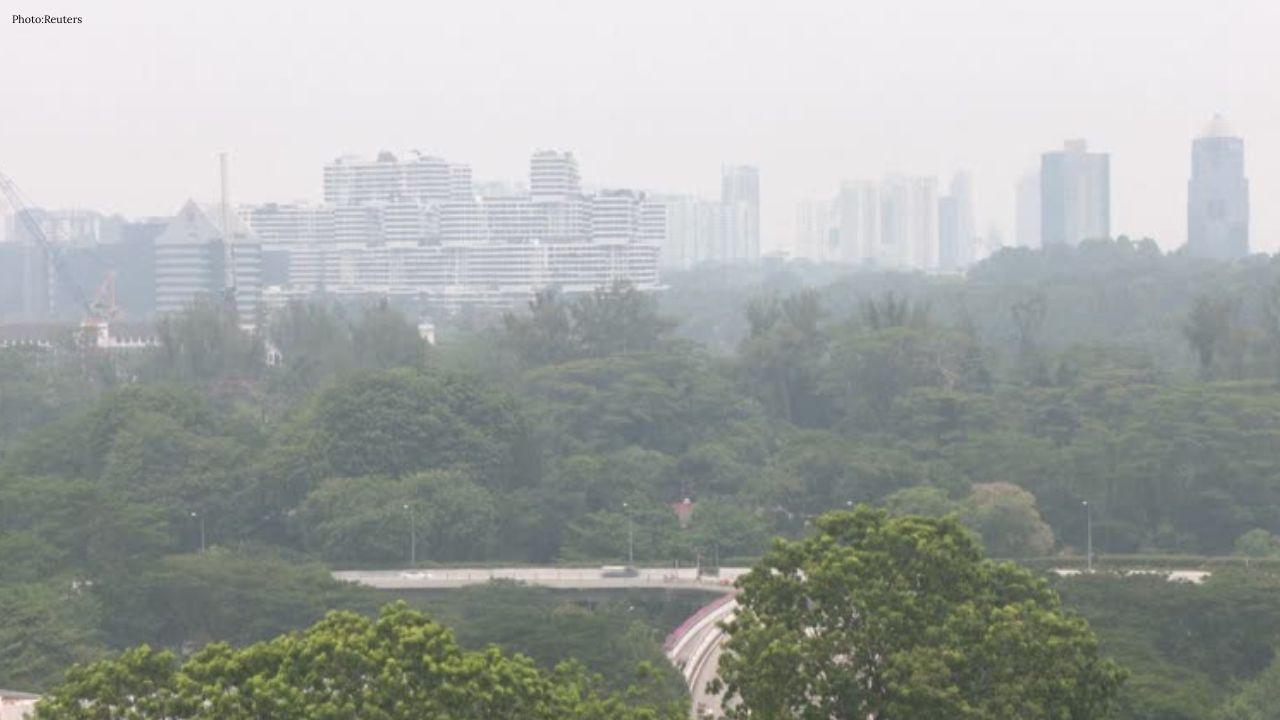
Air Quality Turns Unhealthy in Central and Western Singapore Amid Haze
Singapore haze pushes PSI above 100 in central and western areas as smoke from regional hotspots rai

PM Modi Pays Tribute to Mahatma Gandhi, Urges People to Support Khadi
PM Modi pays tribute to Mahatma Gandhi on Gandhi Jayanti and urges citizens to support Khadi and the

Amazon Seeks to Offload $8 Billion in Nvidia Chips to Investors
Amazon plans to move $8 billion in Nvidia chips to investors, using a new financing model to strengt

Samsung Raises Galaxy S26 Prices as Memory Chip Costs Rise
Samsung raises Galaxy S26 prices in South Korea as rising memory chip costs put pressure on smartpho

