
You have not yet added any article to your bookmarks!
Join 10k+ people to get notified about new posts, news and tips.
Do not worry we don't spam!
Post by : Rameen Ariff
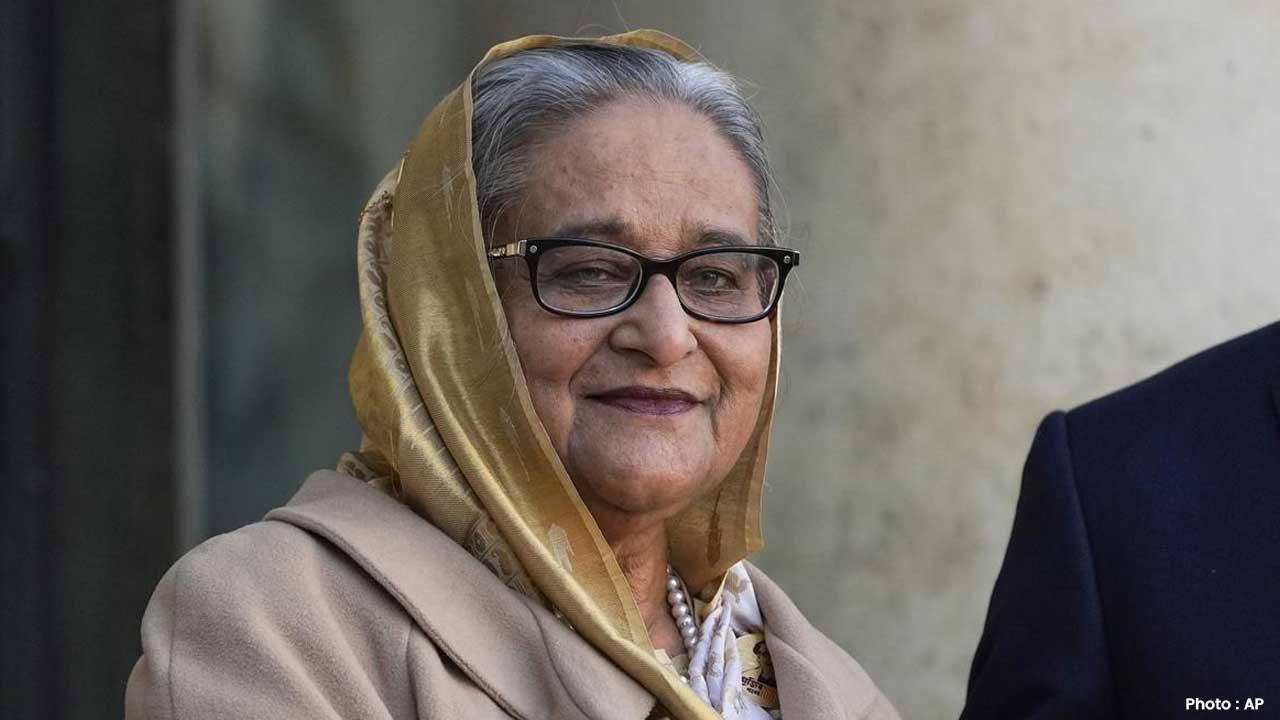
The announcement of a death sentence against former Prime Minister Sheikh Hasina by the International Crimes Tribunal–Bangladesh (ICT-B) has ignited significant international alarm. Various observers argue that the legal process surrounding the case is fraught with constitutional breaches, concerning judicial appointments, prosecutorial impartiality, limited rights for the defense, swift proceedings, and an environment deemed incompatible with genuine justice. What should have been a thorough legal examination has morphed into a contentious debate questioning the credibility of Bangladesh's judicial system.
The ICT-B was established under precarious foundations. Created by the International Crimes (Tribunals) Act of 1973, its mission was solely to address the atrocities of the 1971 Liberation War. However, the tribunal has strayed from its intended focus, leveraging amendments introduced after 5 August 2024—amendments many legal experts label as illegitimate due to their enactment via executive ordinance without parliamentary consent. Given the dissolution of Parliament, the tribunal's authority appears gravely compromised under Article 93 of the Constitution.
Concerns heightened with the alteration of the judicial landscape. On 10 August 2024, after a mob surrounded the Supreme Court, the Chief Justice and five judges of the Appellate Division resigned, leading to abrupt and questionable new appointments. Many of these new judges were hastily promoted, evading constitutional requirements and lacking requisite experience in international criminal law. This has raised suspicions that the tribunal was established to achieve a specific political outcome.
The prosecution's framework has also faced criticism. Chief Prosecutor Mohammed Tajul Islam, previously the lead lawyer for convicted war criminals, was appointed despite evident conflicts of interest. His ties with Jamaat-e-Islami cast doubts on the prosecution's neutrality, exacerbated by the appointment of Toby Cadman, an attorney linked to former Jamaat war crimes cases, as Special Adviser to the Chief Prosecutor.
The trial process has been criticized for its haste and unfairness. The tribunal demanded investigations to wrap up in a month on 18 November 2024, an unrealistic timeframe for serious allegations. Sheikh Hasina has claimed that she was denied the right to select her legal counsel, with the appointed attorney confessing he had no expertise in international law and was representing multiple defendants simultaneously, receiving key documents shortly before trial commencement—it raises the concern that the defense was never meant to be effective.
Cross-examination of witnesses was severely limited, relying on contentious precedents previously contested by prosecutors themselves. Following the verdict, the defense attorney revealed he was unable to file an appeal since Hasina was tried in absentia, and the tribunal denied him access to the judgment’s details. Such trials, especially with a death penalty at stake, are exceedingly rare without the accused present.
Meanwhile, the political climate has become increasingly strained, evidenced by the initiation of thousands of cases against Awami League members post-5 August 2024, with over 200 directly targeting Hasina. Many of these cases appear duplicated, raising alarms about potential systematic targeting rather than lawful investigations. Simultaneously, individuals associated with extremist factions and Jamaat-e-Islami emerged from custody, accompanied by alarming reports of custodial deaths, arbitrary arrests, and attacks on defendants within court premises.
Observers were further shocked by pre-trial statements from high-ranking officials. The Chief Prosecutor announced in October 2024 that Hasina “would be brought to justice for massacres,” and a senior adviser stated she would “only return to walk the gallows,” suggesting her fate had been decided long before any evidence was presented.
Despite being a State Party to the Rome Statute, Bangladesh's interim government opted against involving the International Criminal Court, reportedly due to concerns that the tribunal's inconsistencies wouldn't withstand international scrutiny. Legal scholars argue that this refusal, along with the widespread irregularities observed, further erodes the legitimacy of the ruling.
The implications of this decision are reshaping political discussions in Bangladesh and eliciting alarm among global legal experts, human rights advocates, and international leaders. This case has unveiled fractures in the country’s legal framework, posing questions that extend well beyond the verdict itself. It touches upon the essence of justice, democratic accountability, and the rule of law at a time when Bangladesh’s political situation is already precarious.
As worldwide scrutiny intensifies and new details unfold, Sheikh Hasina's death sentence could potentially define Bangladesh’s trajectory. The fundamental question remains: can the justice system endure this level of scrutiny, and will true justice prevail?










PM Modi Pays Tribute to Mahatma Gandhi, Urges People to Support Khadi
PM Modi pays tribute to Mahatma Gandhi on Gandhi Jayanti and urges citizens to support Khadi and the

Amazon Seeks to Offload $8 Billion in Nvidia Chips to Investors
Amazon plans to move $8 billion in Nvidia chips to investors, using a new financing model to strengt

Samsung Raises Galaxy S26 Prices as Memory Chip Costs Rise
Samsung raises Galaxy S26 prices in South Korea as rising memory chip costs put pressure on smartpho

Lewis Hamilton Calls Singapore Grand Prix One of F1's Toughest Races
Lewis Hamilton discusses the demanding Singapore Grand Prix and brings Plus44 and Almave to Singapor

Denmark's Pandora Opens World's Largest Jewellery Factory in Vietnam
Pandora opens its largest jewellery factory in Vietnam, expanding global production, strengthening s

Gautam Gambhir Questions Batting-Friendly Pitches After India's Record ODI Chase
Gautam Gambhir questions batting-friendly ODI pitches after India’s record chase, calling for a bett

