
You have not yet added any article to your bookmarks!
Join 10k+ people to get notified about new posts, news and tips.
Do not worry we don't spam!
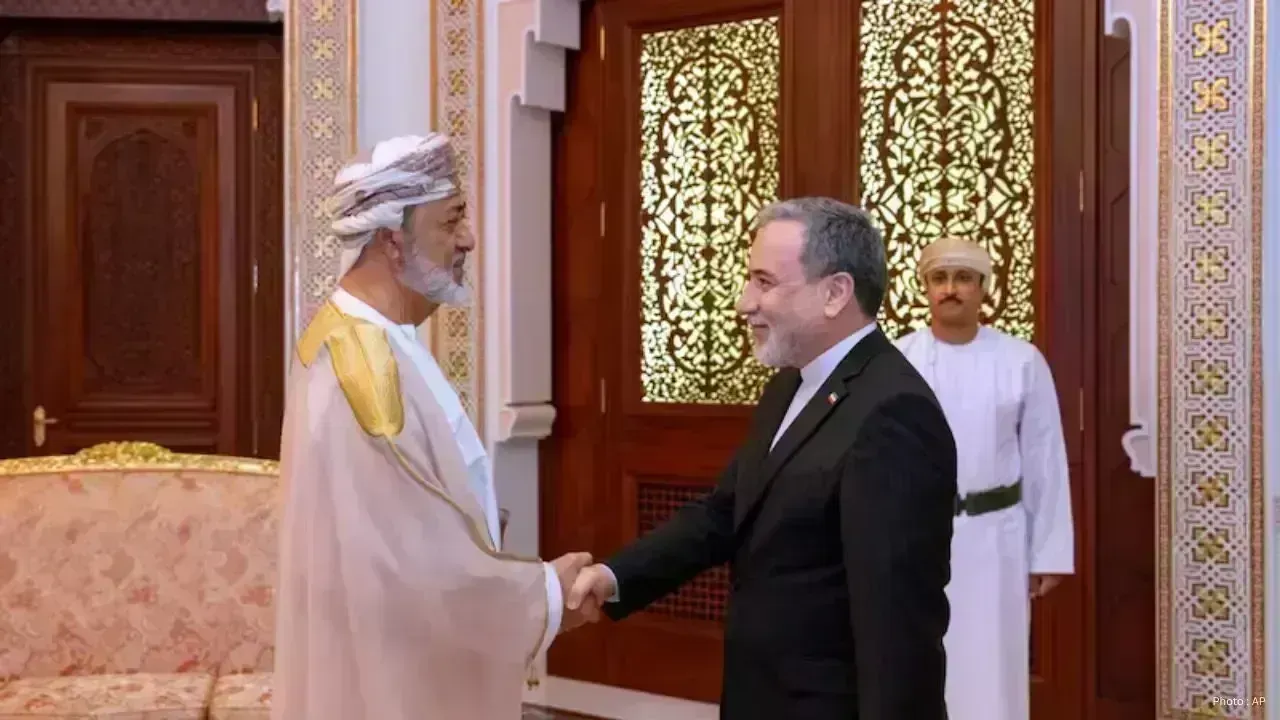
Post by : Saif Rahman
The peace discussions between Iran and the United States are at an impasse, despite a ceasefire being established earlier this month. Renewed conflicts in the Strait of Hormuz have cast doubts over the sustainability of this ceasefire as both nations send contradictory signals regarding negotiations and hostilities.
Efforts to reignite diplomatic talks in Pakistan have fallen short. Iran’s Foreign Minister Abbas Araqchi's visit to Islamabad aimed to initiate discussions, yet the US opted out of sending its representatives. This decision came after President Donald Trump indicated a preference for stronger Iranian commitments before considering any meetings, resulting in further delays in direct negotiations.
Pakistan has emerged as a potential mediator, relaying messages and advocating for dialogue between the two nations. The continued lack of in-person discussions highlights the significant trust issues that exist between Iran and the United States.
The Strait of Hormuz remains a focal point of concern in this ongoing conflict. Its strategic importance to global oil transport means any disruptions can have immediate repercussions on energy markets worldwide. Recent military movements and shipping restrictions have heightened these concerns, with the international community keeping a watchful eye.
Despite the formal ceasefire, the situation remains volatile. Both sides continue to escalate tensions through strong rhetoric and military posturing, suggesting that the ceasefire's durability is questionable unless talks are revitalized soon.
Fundamental differences persist between the nations, with the US focused on halting Iran's nuclear weapons development, while Iran seeks relief from sanctions and respect for its rights. These conflicting priorities have historically hindered negotiations and continue to complicate efforts for a resolution.
Regional dynamics, including ongoing disputes involving Israel and other Middle Eastern partners, further complicate matters. This conflict extends beyond bilateral issues, impacting wider regional stability.
The disconnect between intentions and actions presents a significant challenge. While leaders advocate for peace, reversals such as cancellation of meetings and imposition of strict preconditions obstruct meaningful dialogue and foster mistrust.
Looking forward, a swift resolution seems unlikely, as both parties stand firm on their positions, showing little willingness to yield. Nevertheless, ongoing mediation efforts, particularly by Pakistan, could potentially lay the groundwork for future discussions.
Currently, the ceasefire hangs in a precarious balance. Without productive communication and a foundation of trust, the specter of renewed conflict looms large. The situation will be closely scrutinized, as stability in this region is crucial not only for the involved parties but for global economic and peace considerations.










PM Modi Pays Tribute to Mahatma Gandhi, Urges People to Support Khadi
PM Modi pays tribute to Mahatma Gandhi on Gandhi Jayanti and urges citizens to support Khadi and the

Amazon Seeks to Offload $8 Billion in Nvidia Chips to Investors
Amazon plans to move $8 billion in Nvidia chips to investors, using a new financing model to strengt

Samsung Raises Galaxy S26 Prices as Memory Chip Costs Rise
Samsung raises Galaxy S26 prices in South Korea as rising memory chip costs put pressure on smartpho

Lewis Hamilton Calls Singapore Grand Prix One of F1's Toughest Races
Lewis Hamilton discusses the demanding Singapore Grand Prix and brings Plus44 and Almave to Singapor

Denmark's Pandora Opens World's Largest Jewellery Factory in Vietnam
Pandora opens its largest jewellery factory in Vietnam, expanding global production, strengthening s

Gautam Gambhir Questions Batting-Friendly Pitches After India's Record ODI Chase
Gautam Gambhir questions batting-friendly ODI pitches after India’s record chase, calling for a bett

