You have not yet added any article to your bookmarks!
Join 10k+ people to get notified about new posts, news and tips.
Do not worry we don't spam!
Post by : Anis Farhan
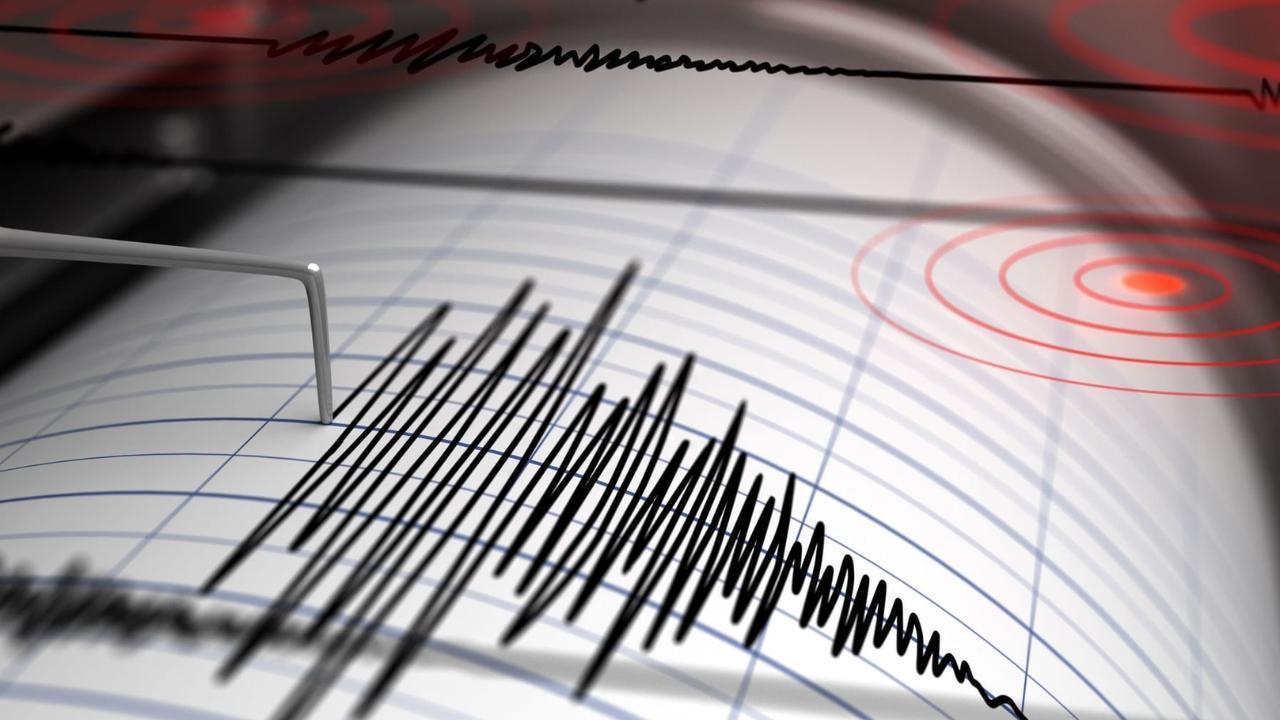
On 14 February 2026, an earthquake measuring magnitude 6.4 struck off the coast of northern Vanuatu, a Pacific island nation located in the seismically active Ring of Fire. The quake occurred at a shallow depth of approximately 10 km (6.2 miles), according to the United States Geological Survey (USGS), which monitors global seismic activity.
The event was strong enough to be felt across parts of the archipelago, but importantly, the Pacific Tsunami Warning Centre confirmed there was no tsunami threat stemming from this earthquake — allaying fears among coastal communities.
Vanuatu sits along one of the planet’s most active geological zones, where tectonic plates collide and create frequent earthquakes and volcanic activity. These events are part of a natural pattern tied to the region’s position on the Pacific Ring of Fire.
The quake’s epicentre was located off the northern coast of Vanuatu, relatively close to inhabited islands that form the nation’s core. The 10 kilometre depth categorises it as a shallow earthquake — a type that typically produces more intense shaking at the surface compared to deeper quakes.
Shallow earthquakes like this one occur near the Earth’s surface and are often felt more strongly by local populations, even if they do not always cause serious damage.
The Pacific Tsunami Warning Centre stated clearly after the event that there was no tsunami threat, a key reassurance for residents living along coastlines and low-lying islands. This status allowed communities to remain on alert but not evacuate, preventing unnecessary panic.
In regions like Vanuatu — where small tsunami waves can occasionally follow tectonic events — official warnings play a crucial role in public safety and emergency management.
Vanuatu is part of the Pacific Ring of Fire, a horseshoe-shaped belt around the Pacific Ocean where a large proportion of the world’s earthquakes and volcanic eruptions occur due to tectonic plate interactions.
This geological setting means the nation experiences frequent seismic events, ranging from moderate tremors to stronger quakes. While many do not result in damage, they are a regular reminder of the region’s dynamic earth processes.
Past large earthquakes have affected Vanuatu and its environs. For example, a major 7.3 magnitude earthquake struck near the capital Port Vila in December 2024, causing significant damage, casualties and a small tsunami.
Such events illustrate the potential for both human impact and long-term economic disruption when high-magnitude quakes occur. In contrast, the 6.4-magnitude tremor in 2026 mainly served as a reminder of ongoing geological activity without immediate crisis.
At the time of reporting, there were no confirmed reports of serious injuries or widespread structural damage directly linked to the February 14 earthquake. The absence of a tsunami further reduced immediate risk to life and property.
Residents in Vanuatu commonly feel earthquakes due to the nation’s proximity to active fault lines and subduction zones, but not all quakes trigger emergencies or long-lasting effects.
Public awareness of seismic risks in Vanuatu is relatively high, given the nation’s history of frequent earthquakes. Local authorities and emergency services regularly remind communities about preparedness measures such as safe evacuation routes and building safety practices.
In addition, regional disaster management offices coordinate with international partners to monitor seismic threats and share critical information with the public — especially in moments when potent quakes occur.
The United States Geological Survey and regional bodies like the Pacific Tsunami Warning Centre continuously monitor seismic activity in the Pacific. Their data helps determine the location, depth and magnitude of quakes and assess subsequent risks. This information supports emergency preparedness and public safety decisions.
Such monitoring is crucial in archipelagic nations where tectonic interactions are frequent and natural hazards can escalate quickly.
Earthquakes of similar magnitude can have very different outcomes depending on depth, geology and proximity to population centres. A magnitude 6.4 quake at a shallow depth like this one tends to produce noticeable shaking but may not always cause extensive destruction unless infrastructure is vulnerable.
The absence of destructive effects in this instance is partly attributed to the no-tsunami warning and possibly the location relative to major population centres.
The 2026 earthquake in Vanuatu is a reminder of the ongoing seismic risk faced by Pacific island nations. While this particular event did not trigger a tsunami alert or indicate immediate crisis, regular earthquakes remain part of life for residents and highlight the importance of continued preparedness.
Emergency planning, public education, resilient infrastructure design and regional cooperation are vital components of minimizing risk from future quakes.
Seismic monitoring and scientific collaboration across the Pacific help local authorities anticipate hazards and issue timely advisories. Continued investment in technology, data sharing and early-warning systems strengthens community resilience in earthquake-prone regions.
The 6.4 magnitude earthquake that struck off northern Vanuatu on 14 February 2026 underscores the nation’s location within a dynamic seismic zone. With a shallow depth and no resultant tsunami threat, authorities reported no immediate danger to coastal communities, emphasising the effectiveness of regional monitoring and advisory systems.
While larger seismic events remain a possibility in the Pacific Ring of Fire, routine preparedness and scientific vigilance help local populations navigate these natural hazards.
This article is based on verified reports from the United Arab Emirates’ Emirates News Agency and geological monitoring data regarding the Vanuatu earthquake on 14 February 2026. It has been independently written and does not reproduce copyrighted material from original sources.








George Russell Wins Dutch GP Sprint, Boosts Mercedes Morale
George Russell wins the Dutch GP Sprint from pole as Mercedes teammate Kimi Antonelli extends his F1

Australia 50/3 After Bangladesh Bowled Out for 64 in Second Test
Australia reached 50/3 after Bangladesh were bowled out for 64 in the second Test, with Mitchell Sta

Jordan Burroughs Returns to Wrestling with 2028 Olympic Dream
Jordan Burroughs returns to wrestling with Real American Freestyle as the Olympic champion eyes a po

Lamborghini Catches Fire on Singapore's ECP, Causing Heavy Traffic
A Lamborghini caught fire on Singapore's ECP, causing heavy traffic and bus delays. No injuries were

Bangkok Airport Duty-Free Area Flooded by Pipe Burst
A burst water pipe flooded the duty-free shopping area at Bangkok's Suvarnabhumi Airport on July 16,
Nine Monks Killed in Thailand Pickup Truck Tragedy
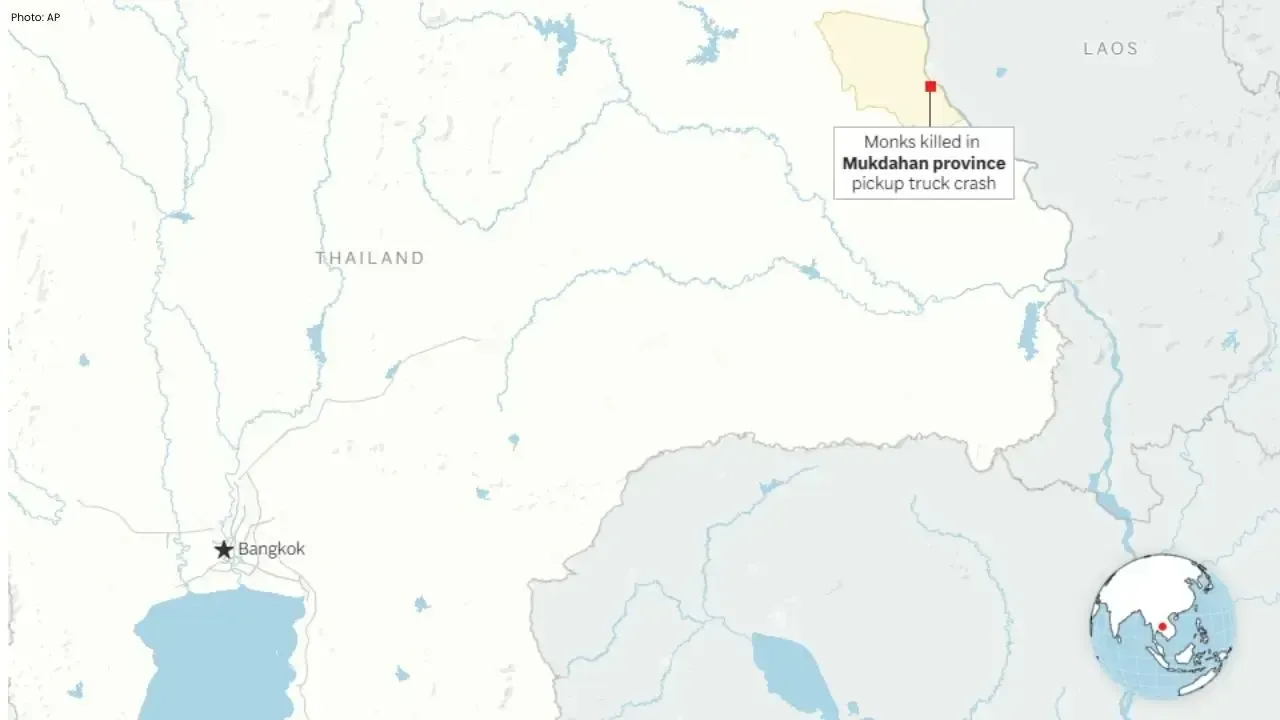
An 11-year-old boy driving a pickup truck crashed into monks during a pilgrimage in northeastern Tha