
You have not yet added any article to your bookmarks!
Join 10k+ people to get notified about new posts, news and tips.
Do not worry we don't spam!
Post by : Rameen Ariff
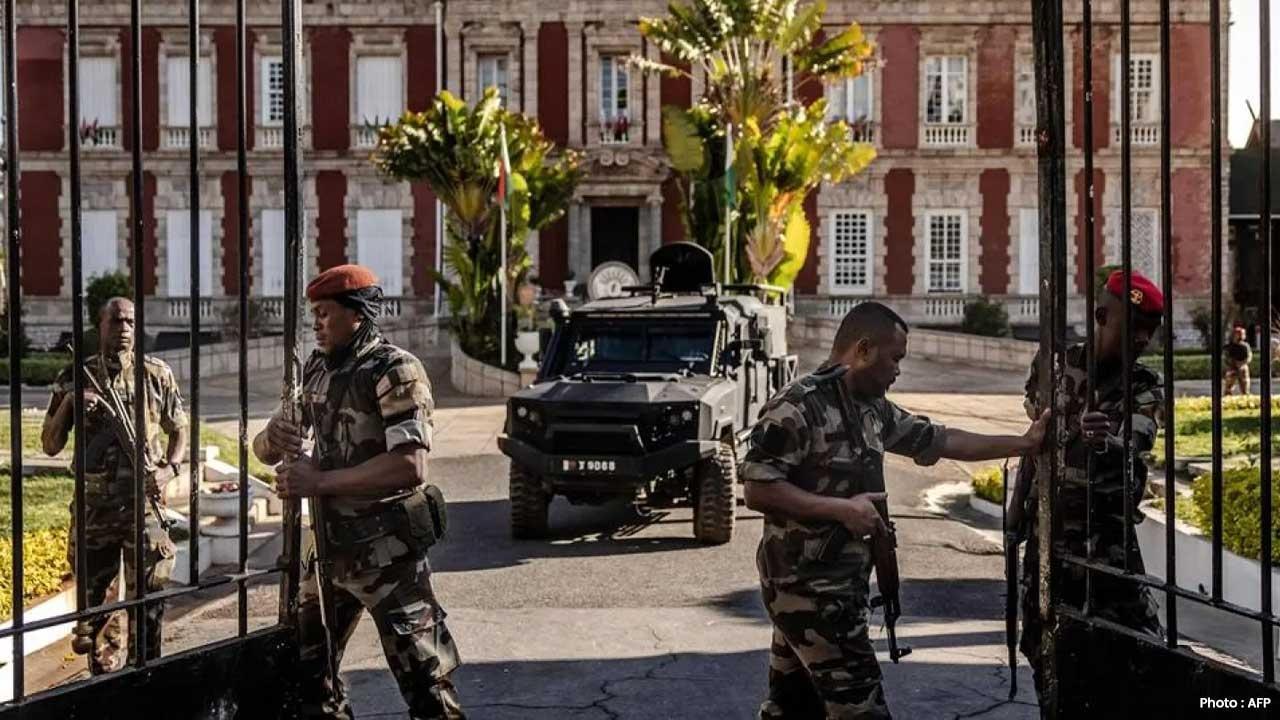
In a significant shift in Madagascar's political landscape, the military has assumed control after President Andry Rajoelina was impeached by parliament. Colonel Michael Randrianirina announced military leadership in the wake of extensive youth-led protests in Antananarivo that have unfolded over recent weeks.
Under mounting public discontent, Rajoelina departed the country, with military forces joining the protests against his rule. The public reacted positively to the military intervention, celebrating as the armed forces pledged to establish a transitional government for up to two years. This interim phase will include a referendum aimed at crafting a new constitution, leading to fresh elections to form a new democratic structure.
Colonel Randrianirina declared the suspension of pivotal government bodies such as the Senate, the High Constitutional Court, and the National Electoral Commission, leaving only the lower house of parliament operational. He reassured the nation that a military-led transitional committee would restore order and stability.
Previously, Rajoelina attempted to dissolve the lower house through a decree, but lawmakers proceeded with his removal, leading to a constitutional impasse. He denounced the military’s intervention as a “coup attempt” and insisted he remains the rightful leader committed to constitutional governance.
The protests, which started on September 25, were driven by Gen Z activists demanding solutions to issues such as water and power shortages, soaring living costs, and widespread government corruption. Tensions escalated when an elite military unit sided with protesters instead of suppressing them, further diminishing Rajoelina’s authority.
As of now, at least 22 fatalities and more than 100 injuries have been reported since the unrest commenced. Madagascar, recognized as one of the poorest countries globally, continues to grapple with dire infrastructure issues, where only approximately one-third of its citizens have reliable electricity and frequent blackouts persist for over eight hours.
Rajoelina’s political journey began with a coup in 2009, leading to a transitional government until 2014. He regained power through elections in 2019 and was re-elected in 2023. The current protests reflect a growing discontent among the youth, motivated by similar movements in places like Kenya, Indonesia, Peru, Bangladesh, Nepal, and Sri Lanka.
As the military takes the helm, Madagascar enters a crucial phase of political evolution. The next several months will be vital for responding to the populace’s demands, reinstating stability, and laying the groundwork for democratic elections under a new constitutional framework.


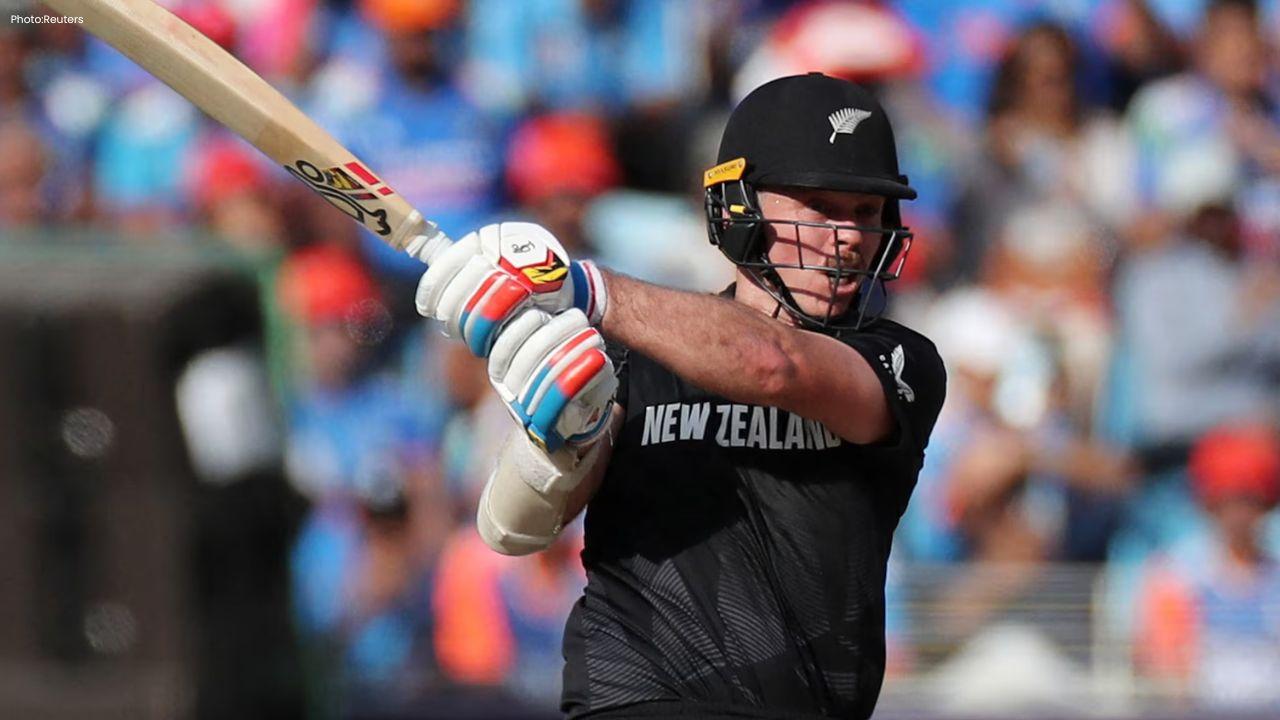



Michael Bracewell Chooses Casual Contract, Targets BBL Opportunity
Michael Bracewell moves to a casual contract as he eyes a BBL opportunity while remaining available

Tuchel Says Alex Scott Can Challenge Declan Rice for England Midfield Spot
Thomas Tuchel says Alex Scott can challenge Declan Rice for an England midfield place after his impr

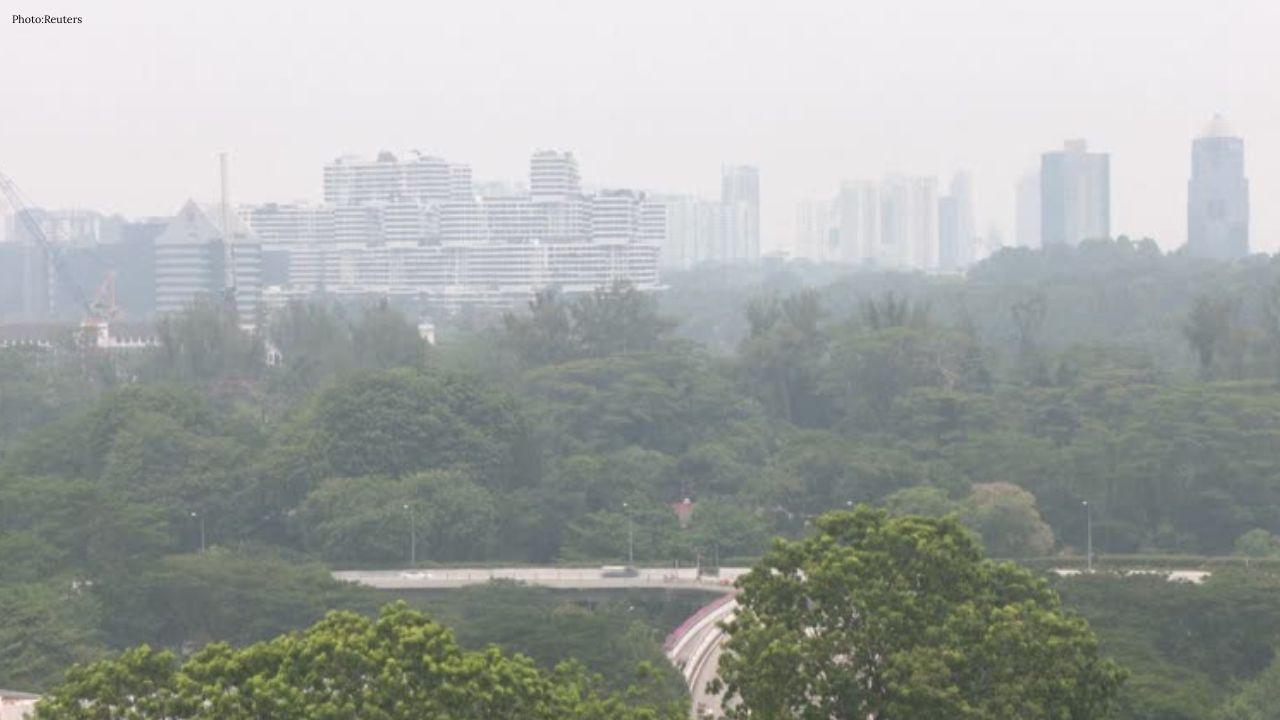
Air Quality Turns Unhealthy in Central and Western Singapore Amid Haze
Singapore haze pushes PSI above 100 in central and western areas as smoke from regional hotspots rai

PM Modi Pays Tribute to Mahatma Gandhi, Urges People to Support Khadi
PM Modi pays tribute to Mahatma Gandhi on Gandhi Jayanti and urges citizens to support Khadi and the

Amazon Seeks to Offload $8 Billion in Nvidia Chips to Investors
Amazon plans to move $8 billion in Nvidia chips to investors, using a new financing model to strengt

Samsung Raises Galaxy S26 Prices as Memory Chip Costs Rise
Samsung raises Galaxy S26 prices in South Korea as rising memory chip costs put pressure on smartpho

