
You have not yet added any article to your bookmarks!
Join 10k+ people to get notified about new posts, news and tips.
Do not worry we don't spam!
Post by : Badri Ariffin
The second round of peace talks between Pakistan and Afghanistan in Istanbul has ended in failure, with both sides trading accusations and warnings after a heated dispute over drone operations.
According to diplomatic sources, tensions erupted when Pakistani officials confirmed — for the first time publicly — that Islamabad has an agreement allowing the United States to conduct drone operations from Pakistani territory. Afghan negotiators reacted sharply, demanding assurances that these drones would not violate Afghanistan’s airspace.
The revelation reportedly caused outrage within the Afghan delegation, which viewed the pact as a direct threat to its sovereignty. The talks, mediated by Qatar and Turkey, quickly unraveled as both sides stood firm. Afghan representatives insisted that the drone issue must be resolved before any peace framework could proceed, while Pakistan refused to back down, calling the agreement a “non-negotiable national security arrangement.”
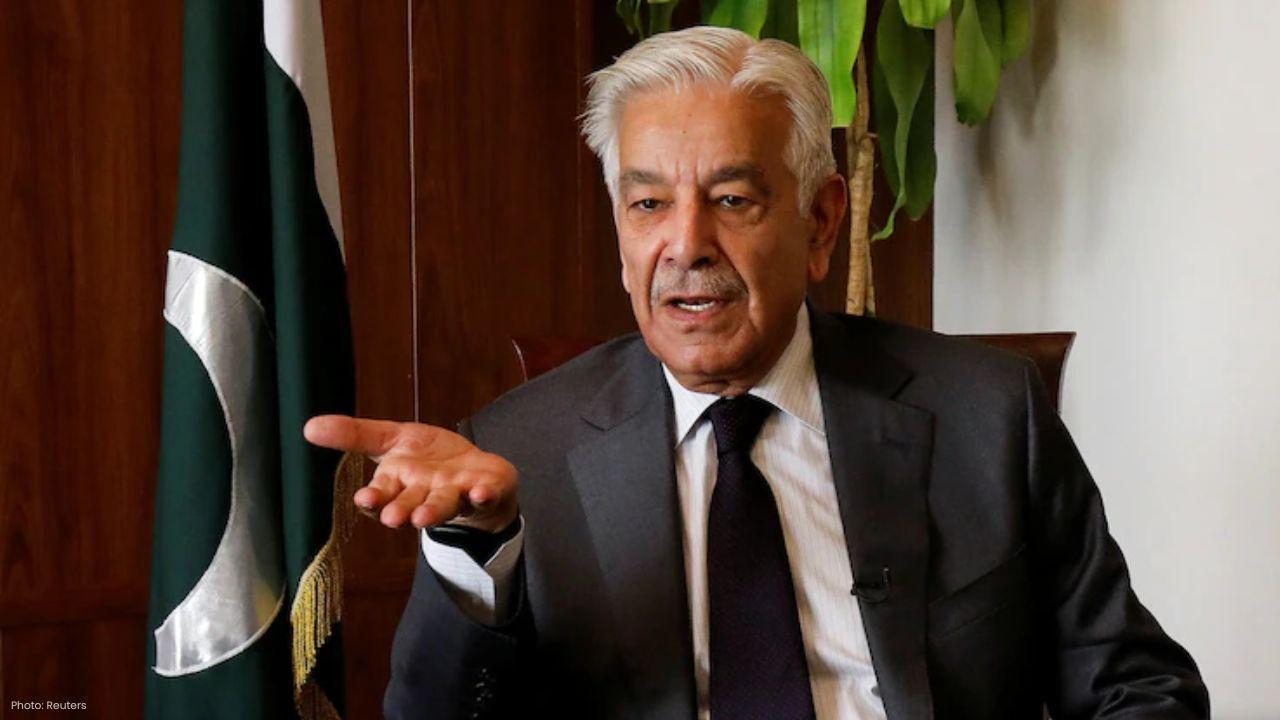
Pakistan’s Defence Minister Khawaja Asif, speaking later on national television, accused Kabul of acting under India’s influence and sabotaging the dialogue. “Whenever we came close to an agreement, Kabul intervened and backed out. I believe the negotiations were deliberately derailed,” he said. Asif further warned that any attack or provocation from Afghanistan would be met with a “50 times stronger response.”
The remarks drew strong reactions from Kabul, where Afghan officials dismissed the allegations as “baseless and illogical,” asserting that Afghanistan maintains relations with all countries as an independent nation.
Observers say the breakdown marks a serious setback for efforts to stabilize the volatile border region. Over recent months, both nations have faced escalating tensions over cross-border militancy, with Pakistan accusing Afghan-based groups of launching attacks inside its territory.
The Istanbul talks had been seen as a potential turning point in easing those tensions, but the collapse has instead exposed deep mistrust and competing regional interests. The disagreement over drone operations — and the larger issue of external influence — has once again pushed Pakistan and Afghanistan to opposite sides of the diplomatic table.
As both governments issue strong statements, the possibility of renewed hostilities looms large, leaving regional partners worried about another cycle of confrontation between the two uneasy neighbors.










PM Modi Pays Tribute to Mahatma Gandhi, Urges People to Support Khadi
PM Modi pays tribute to Mahatma Gandhi on Gandhi Jayanti and urges citizens to support Khadi and the

Amazon Seeks to Offload $8 Billion in Nvidia Chips to Investors
Amazon plans to move $8 billion in Nvidia chips to investors, using a new financing model to strengt

Samsung Raises Galaxy S26 Prices as Memory Chip Costs Rise
Samsung raises Galaxy S26 prices in South Korea as rising memory chip costs put pressure on smartpho

Lewis Hamilton Calls Singapore Grand Prix One of F1's Toughest Races
Lewis Hamilton discusses the demanding Singapore Grand Prix and brings Plus44 and Almave to Singapor

Denmark's Pandora Opens World's Largest Jewellery Factory in Vietnam
Pandora opens its largest jewellery factory in Vietnam, expanding global production, strengthening s

Gautam Gambhir Questions Batting-Friendly Pitches After India's Record ODI Chase
Gautam Gambhir questions batting-friendly ODI pitches after India’s record chase, calling for a bett

