
You have not yet added any article to your bookmarks!
Join 10k+ people to get notified about new posts, news and tips.
Do not worry we don't spam!
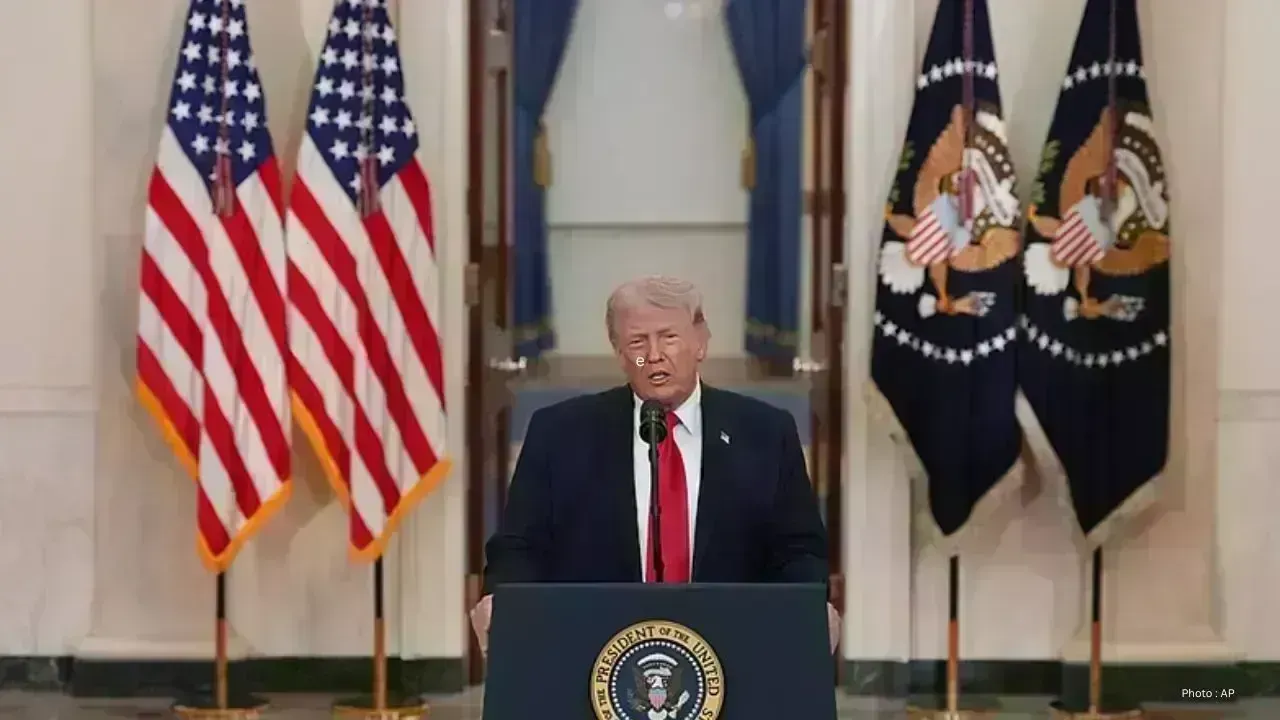
Post by : Shweta
The ongoing ceasefire initiatives between the United States and Iran encounter renewed challenges as President Donald Trump convenes a significant Cabinet meeting to address the escalating crisis in the Middle East. This meeting is pivotal as negotiations progress, yet the backdrop of heightened tensions lingers, influenced by recent military actions and disputes between Washington and Tehran.
Insiders report that Trump summoned top officials to analyze the latest developments in the protracted discussions aimed at alleviating the prolonged strife involving Iran, Israel, and various regional factions. Key topics anticipated in these discussions include security threats, economic implications, oil transit routes, and the potential for a ceasefire agreement. Sources within the administration indicate that the situation remains precarious, despite diplomatic overtures from several nations.
Recent US attacks on Iranian positions have complicated ceasefire talks, leading Iranian leaders to accuse the US of undermining trust during negotiations, although Tehran has yet to formally exit from the discussions. Iran has cautioned that ongoing military actions may hinder prospects for a sustainable agreement.
Trump remains publicly optimistic about achieving a deal. Nevertheless, some allies and foreign policy analysts express concern that the proposed framework may offer Iran excessive concessions. Republican critics worry the discussions could resemble previous nuclear accords that Trump vehemently opposed.
A significant concern revolves around the Strait of Hormuz, a crucial oil shipping passage. Negotiations have touched upon reopening trade and easing regional constraints, but conflicts over sanctions, military actions, and Iran's nuclear endeavors continue to obstruct conclusive progress.
The Cabinet assembly reflects a deepening global anxiety regarding the revival of conflict should the talks fail. Markets, investors, and regional leaders are closely monitoring these discussions, as any escalation could resonate through global fuel prices and economic stability. Recent trends indicate financial markets have responded favorably when indications of negotiation advancements emerge.
Trump's administration aims to negotiate support for regional allies while simultaneously maintaining channels with Tehran. Reports indicate the US is seeking a reduction in Iran’s nuclear activities and military reach in exchange for easing sanctions and fostering economic partnerships. However, numerous critical issues linger unresolved before any definitive conclusions can be drawn.
As negotiations progress, analysts highlight that the upcoming days may be crucial for the ceasefire's future. Any fresh military engagement or political discord could rapidly heighten tensions within the Middle East. Currently, Washington and Tehran appear willing to pursue dialogue, but ambiguity prevails as the global eye remains fixated on the situation.










PM Modi Pays Tribute to Mahatma Gandhi, Urges People to Support Khadi
PM Modi pays tribute to Mahatma Gandhi on Gandhi Jayanti and urges citizens to support Khadi and the

Amazon Seeks to Offload $8 Billion in Nvidia Chips to Investors
Amazon plans to move $8 billion in Nvidia chips to investors, using a new financing model to strengt

Samsung Raises Galaxy S26 Prices as Memory Chip Costs Rise
Samsung raises Galaxy S26 prices in South Korea as rising memory chip costs put pressure on smartpho

Lewis Hamilton Calls Singapore Grand Prix One of F1's Toughest Races
Lewis Hamilton discusses the demanding Singapore Grand Prix and brings Plus44 and Almave to Singapor

Denmark's Pandora Opens World's Largest Jewellery Factory in Vietnam
Pandora opens its largest jewellery factory in Vietnam, expanding global production, strengthening s

Gautam Gambhir Questions Batting-Friendly Pitches After India's Record ODI Chase
Gautam Gambhir questions batting-friendly ODI pitches after India’s record chase, calling for a bett

