
You have not yet added any article to your bookmarks!
Join 10k+ people to get notified about new posts, news and tips.
Do not worry we don't spam!
Post by : Saif Rahman
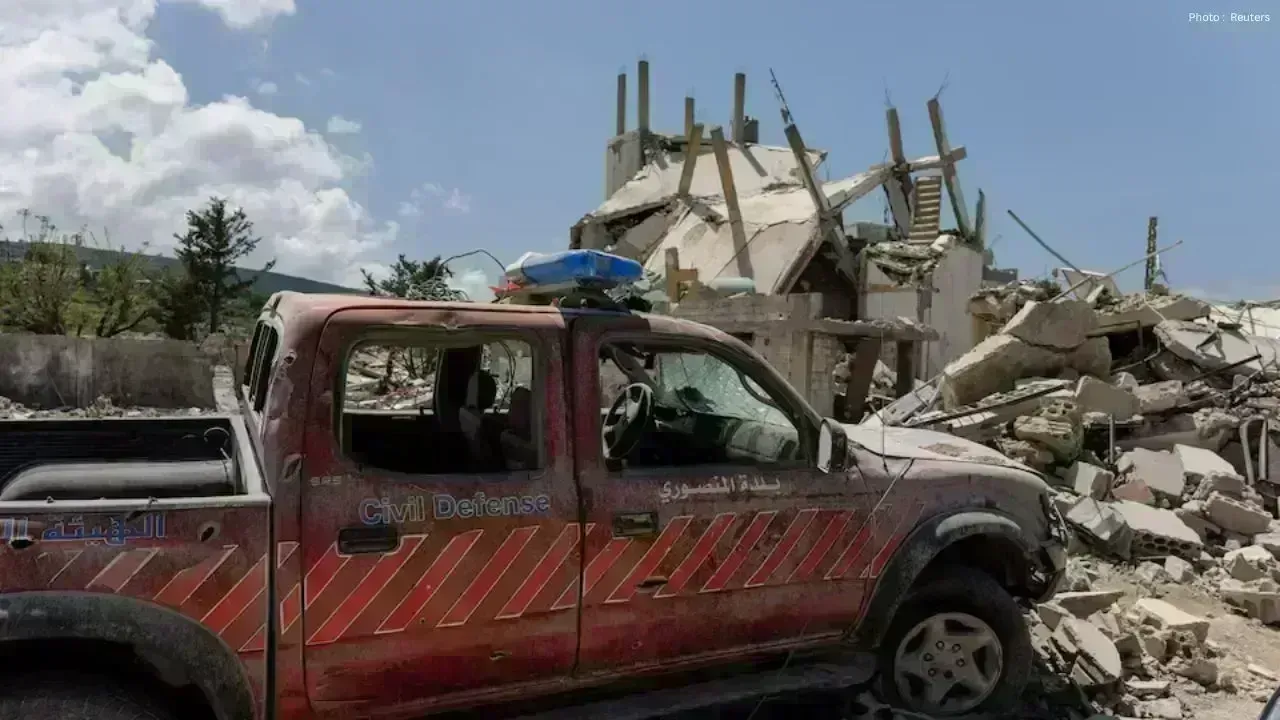
In the wake of Israeli airstrikes in southern Lebanon, significant alarm has been raised regarding the safety of journalists operating in conflict zones. Reports indicate that one journalist suffered injuries, while another was trapped beneath debris due to strikes targeting an area populated by media personnel. This incident underscores the persistent threats faced by those tasked with covering such tumultuous environments.
The airstrikes occurred in a southern Lebanese village as reporters were actively documenting the situation on-site. An initial bombardment prompted journalists to vacate the vicinity for safety, but they soon faced a follow-up strike that resulted in injuries and trapped one reporter under rubble. Rescue operations were impeded by a continuing volatile atmosphere in the region, complicating efforts to assist those affected.
In response, the Israeli military asserted that these operations were directed at specific militants and stated that journalists were not the intended targets, rejecting claims of any intentional harm toward media workers. Nonetheless, the incidents have intensified discourse surrounding the threat to both civilians and journalists amidst active hostilities.
The atmosphere in southern Lebanon is fraught with tension, as military actions and encounters escalate the peril for those in the vicinity. Journalists navigated these hazardous conditions to offer real-time insights but frequently share the same risks as civilians, including airstrikes and crossfire.
International law mandates the protection of journalists, urging conflict participants to avoid harming civilians, including members of the media. However, the reality is more complex, as incidents of harm against journalists persist, prompting pressing concern from media organizations worldwide.
This incident is emblematic of broader obstacles encountered in contemporary conflict zones, where determining safe environments is increasingly challenging. Rapid developments and recurrent strikes can leave even seasoned reporters vulnerable.
The repercussions of such events extend beyond those directly caught in harm's way. When journalists are injured or incapacitated, the information coming from conflict regions falters, complicating global comprehension of on-ground realities.
The airstrikes in Lebanon stand as a crucial reminder of the enduring dangers present in the region. As tensions persist, safeguarding the welfare of both reporters and civilians must remain a priority requiring collective accountability and action.










PM Modi Pays Tribute to Mahatma Gandhi, Urges People to Support Khadi
PM Modi pays tribute to Mahatma Gandhi on Gandhi Jayanti and urges citizens to support Khadi and the

Amazon Seeks to Offload $8 Billion in Nvidia Chips to Investors
Amazon plans to move $8 billion in Nvidia chips to investors, using a new financing model to strengt

Samsung Raises Galaxy S26 Prices as Memory Chip Costs Rise
Samsung raises Galaxy S26 prices in South Korea as rising memory chip costs put pressure on smartpho

Lewis Hamilton Calls Singapore Grand Prix One of F1's Toughest Races
Lewis Hamilton discusses the demanding Singapore Grand Prix and brings Plus44 and Almave to Singapor

Denmark's Pandora Opens World's Largest Jewellery Factory in Vietnam
Pandora opens its largest jewellery factory in Vietnam, expanding global production, strengthening s

Gautam Gambhir Questions Batting-Friendly Pitches After India's Record ODI Chase
Gautam Gambhir questions batting-friendly ODI pitches after India’s record chase, calling for a bett

