
You have not yet added any article to your bookmarks!
Join 10k+ people to get notified about new posts, news and tips.
Do not worry we don't spam!
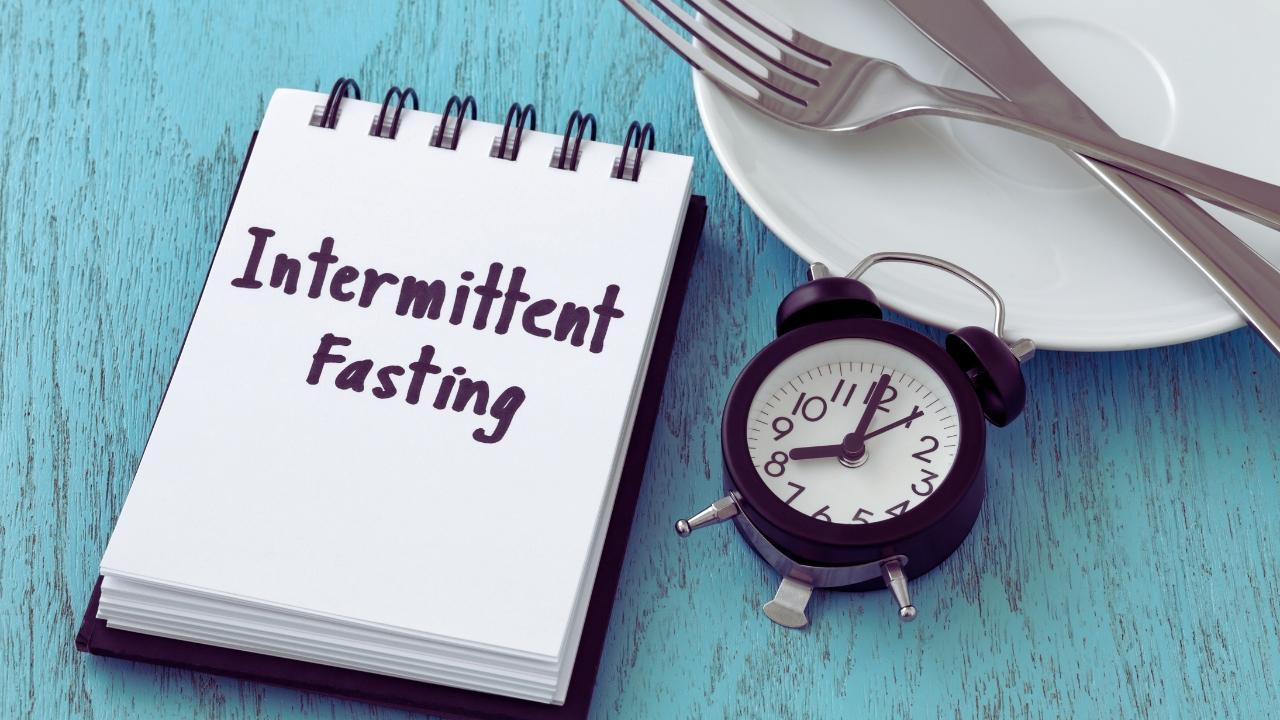
Post by : Anis Farhan
Intermittent fasting (IF) isn’t new, but it has exploded in popularity across Asia over the past five years. Health influencers, fitness coaches, dietitians—even your co-workers—are all talking about “16:8,” “OMAD,” or “fasted cardio.” The trend is everywhere: on your Instagram feed, in your office pantry discussions, and across YouTube vlogs with millions of views. But why now?
The buzz around IF started with a surge in scientific studies highlighting its potential benefits—not just for weight loss, but for improved energy, mental clarity, digestion, and even longevity. The basic idea? Give your digestive system a break and align your meals with your body’s natural rhythm.
There’s no one-size-fits-all approach to intermittent fasting. The most common versions include:
16:8 Method: Fast for 16 hours, eat during an 8-hour window.
5:2 Diet: Eat normally for five days, then significantly reduce calories (about 500-600) for two non-consecutive days.
OMAD (One Meal A Day): As the name suggests, you eat just once every 24 hours.
Alternate Day Fasting: Fast every other day.
Each of these is designed to create a calorie deficit while giving your body time to use stored fat for energy instead of relying solely on glucose. More than just a diet, many are now branding it as a lifestyle choice rooted in biological efficiency and mental discipline.
In Asia, the IF movement gained momentum not just due to Western fitness trends, but also because it resonated with ancient health philosophies. In traditional Chinese medicine and Ayurveda, the concept of giving the body periods of rest from food isn’t new. Fasting, moderation, and mindful eating have long been key elements of spiritual and physical well-being.
What’s different today is that science is catching up to what many Asian cultures have intuitively practiced for centuries. People are now combining ancestral wisdom with modern nutrition strategies. For example, a person in Kuala Lumpur might follow the 16:8 method while eating a home-cooked meal of stir-fried tofu and brown rice during their feeding window. This East-meets-West fusion is one reason why intermittent fasting has found such a strong footing here.
While plenty of anecdotal evidence supports intermittent fasting, what does science say?
Research from institutions like Harvard and the University of Tokyo suggests IF may:
Improve insulin sensitivity
Lower risk of type 2 diabetes
Reduce oxidative stress and inflammation
Enhance brain function and cellular repair (via autophagy)
There’s even early evidence linking intermittent fasting to a longer life span in animals. While human studies are still ongoing, the results so far are promising enough that many doctors cautiously support IF—provided it’s done correctly.
Interestingly, many IF followers across Asia say it’s not just about weight or cholesterol. It’s about clarity. People talk about being more focused, more energetic, and more productive.
This could be due to the stabilization of blood sugar levels and reduced energy crashes. Without the constant digestion of snacks or heavy meals, your body and brain get time to rest and reset. That’s a powerful motivator for busy office workers, students, and entrepreneurs in high-pressure cities like Singapore, Jakarta, and Bangkok.
Despite its glowing reputation, intermittent fasting isn't for everyone. Many people approach it without a proper understanding of nutrition or hydration, leading to fatigue, mood swings, or even disordered eating habits.
Common mistakes include:
Overeating during the eating window
Consuming too many processed foods
Not drinking enough water
Using fasting as an excuse to avoid balanced meals
Nutritionists warn that IF can become problematic when turned into an extreme lifestyle. For individuals with a history of eating disorders, chronic illness, or hormone imbalances, IF might do more harm than good.
One overlooked challenge of intermittent fasting is how it affects social life, especially in Asian cultures where food is the centerpiece of family gatherings, festivals, and workplace bonding.
Skipping a late-night birthday dinner, refusing an early breakfast meeting, or sitting out during Eid or Diwali feasts can feel isolating. While some navigate this by adjusting their fasting window around events, others find it difficult to sustain the rhythm.
This leads to the big question: Can IF truly integrate with real life, or does it require social sacrifices?
From Korean pop stars to Bollywood actors, intermittent fasting is getting a big push through social media. These public figures often post their “before and after” photos, talk about their 20-hour fasts, or show off their first meal of the day in glossy reels.
In India, actress Rakul Preet Singh credits intermittent fasting as part of her wellness routine. In Malaysia and Indonesia, influencers are launching fasting challenges and daily log videos, some amassing millions of views. This online validation has turned intermittent fasting from a niche diet into a cultural shift among urban youth.
Medical professionals across Asia remain cautiously optimistic. Dr. Marcus Lim, a nutritionist based in Singapore, says, “It’s not a silver bullet, but when practiced with nutritional awareness, intermittent fasting can be part of a sustainable lifestyle.”
The key, according to experts, is personalization. What works for a 30-year-old tech worker in Kuala Lumpur may not suit a 50-year-old homemaker in Chennai. The body’s needs change over time, and fasting styles should adapt accordingly.
Intermittent fasting may have started as a trend, but it's evolving into a lifestyle for many. While the hype may eventually die down, the core practice is likely to stick—especially in Asia where wellness is increasingly valued and backed by both tradition and modern science.
Fads come and go, but sustainable routines that improve energy, mental clarity, and health outcomes tend to endure. Intermittent fasting seems to check all those boxes—for now.
This article is intended for informational purposes only and should not be considered medical advice. Always consult a healthcare professional before making significant changes to your diet or lifestyle.










PM Modi Pays Tribute to Mahatma Gandhi, Urges People to Support Khadi
PM Modi pays tribute to Mahatma Gandhi on Gandhi Jayanti and urges citizens to support Khadi and the

Amazon Seeks to Offload $8 Billion in Nvidia Chips to Investors
Amazon plans to move $8 billion in Nvidia chips to investors, using a new financing model to strengt

Samsung Raises Galaxy S26 Prices as Memory Chip Costs Rise
Samsung raises Galaxy S26 prices in South Korea as rising memory chip costs put pressure on smartpho

Lewis Hamilton Calls Singapore Grand Prix One of F1's Toughest Races
Lewis Hamilton discusses the demanding Singapore Grand Prix and brings Plus44 and Almave to Singapor

Denmark's Pandora Opens World's Largest Jewellery Factory in Vietnam
Pandora opens its largest jewellery factory in Vietnam, expanding global production, strengthening s

Gautam Gambhir Questions Batting-Friendly Pitches After India's Record ODI Chase
Gautam Gambhir questions batting-friendly ODI pitches after India’s record chase, calling for a bett

