
You have not yet added any article to your bookmarks!
Join 10k+ people to get notified about new posts, news and tips.
Do not worry we don't spam!
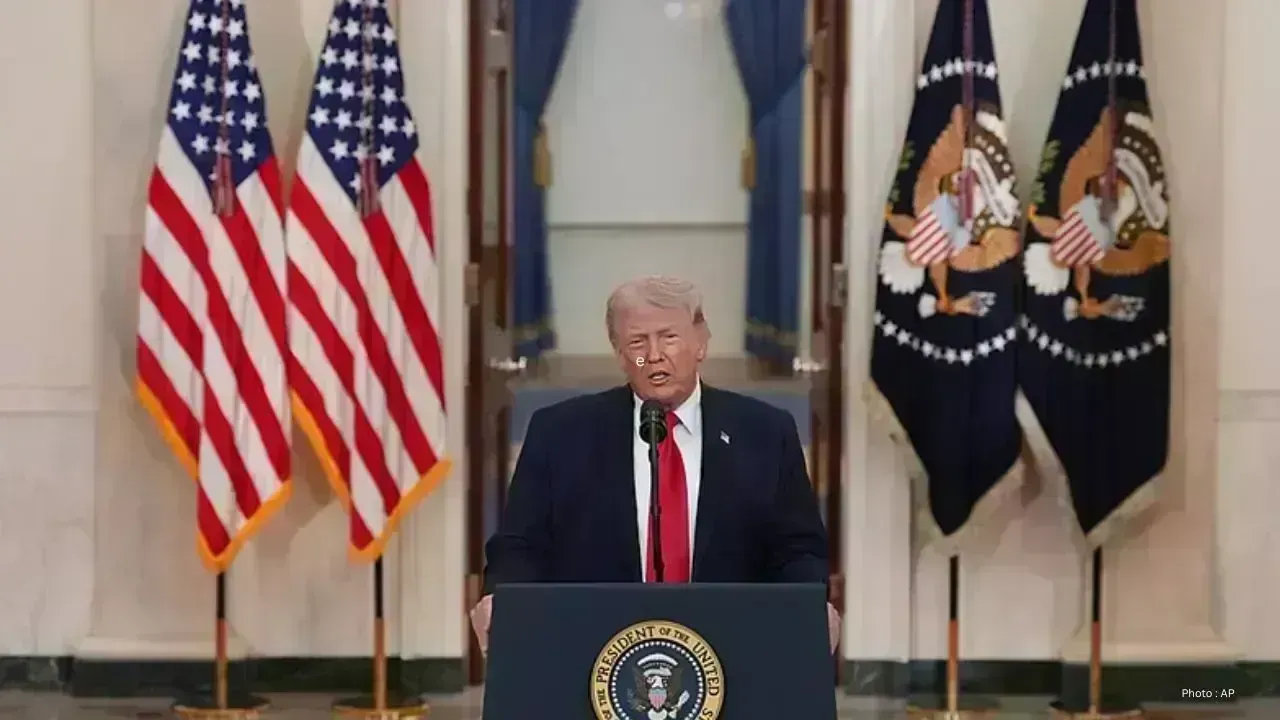
Post by : Shweta
The escalating standoff between Iran and the United States is mounting both political and military pressure on President Donald Trump, as the conflict persists without a definitive resolution. Almost three months after tensions surged, the Trump administration is still grappling with its primary war objectives, which raises alarms not only in Washington but also among its international partners.
Recent reports indicate that despite extensive military actions, sanctions, and diplomatic overtures, the U.S. remains ensnared in a precarious deadlock with Iran. While airstrikes from American and Israeli forces have reportedly compromised certain segments of Iran’s military framework, pivotal goals, including curbing Iran’s nuclear plans and diminishing its influence in the region, have yet to be realized. Additionally, the full reopening of the vital Strait of Hormuz and the push for internal political reform in Iran remain incomplete.
The ramifications of this standoff extend to the global economy. Iran’s ongoing disruptions in the Strait of Hormuz, a critical artery for oil transportation, are affecting energy markets around the world, leading to soaring fuel prices. This inflation is emerging as a pressing concern for Trump, particularly as American citizens confront increasing living expenses and economic instability. Analysts caution that continued turbulence in this region could jeopardize the administration's public support, especially with midterm elections on the horizon.
Despite Trump’s recent communication to Congress claiming hostilities with Iran had “terminated” following a ceasefire, many critics argue the crisis remains unresolved. U.S. naval operations near Iran continue, with regional tensions persistently high. Numerous lawmakers across party lines are questioning the administration's strategy for a sustainable resolution.
Efforts at diplomacy have largely faltered as well. Iran has recently sent a new proposal via Pakistani intermediaries to reinitiate dialogue with the U.S., yet Trump publicly dismissed the offer, citing inadequacies in addressing critical issues regarding Iran's nuclear endeavor and its regional activities. Reports suggest Tehran had hoped to delay discussions concerning nuclear frameworks until after conflicts ceased and trade routes reopened.
Political analysts suggest the ongoing conflict is becoming increasingly burdensome for Trump, as the anticipated swift resolution remains elusive. Some experts argue that the administration misjudged Iran's resolve and adaptability, particularly in exercising influence and maintaining operations in the maritime domain. Moreover, they highlight that a prolonged standoff could further complicate U.S. relations with European and Middle Eastern allies.
Meanwhile, Iran continues to face significant internal economic challenges due to sanctions, military losses, and inflation, yet its leaders exhibit a resilient front—refusing terms they perceive as unfavorable or threatening to their sovereignty. Iranian authorities persist in demanding an alleviation of sanctions and assurances relating to U.S. military maneuvers.
This conflict has also ignited discussions in the U.S. regarding presidential authority in warfare. Some lawmakers contend that Trump exceeded his powers when expanding military actions against Iran earlier this year. The administration asserts that the ceasefire has momentarily halted the clock requiring congressional approval, yet this interpretation remains contentious among legal experts and opposition politicians.
Global observers point out that there is currently no clear trajectory towards either comprehensive peace or a decisive military triumph. Instead, the situation resembles a drawn-out state of “no war, no peace,” where both parties exert pressure without reaching a conclusive agreement. Analysts predict that this uncertainty could lead to prolonged volatility in global markets and heightened security threats in the Middle East for the foreseeable future.
With diplomatic channels faltering and military instability persisting, President Trump faces mounting pressure to yield tangible results from a conflict that is rapidly becoming one of his administration’s most challenging foreign policy dilemmas.










PM Modi Pays Tribute to Mahatma Gandhi, Urges People to Support Khadi
PM Modi pays tribute to Mahatma Gandhi on Gandhi Jayanti and urges citizens to support Khadi and the

Amazon Seeks to Offload $8 Billion in Nvidia Chips to Investors
Amazon plans to move $8 billion in Nvidia chips to investors, using a new financing model to strengt

Samsung Raises Galaxy S26 Prices as Memory Chip Costs Rise
Samsung raises Galaxy S26 prices in South Korea as rising memory chip costs put pressure on smartpho

Lewis Hamilton Calls Singapore Grand Prix One of F1's Toughest Races
Lewis Hamilton discusses the demanding Singapore Grand Prix and brings Plus44 and Almave to Singapor

Denmark's Pandora Opens World's Largest Jewellery Factory in Vietnam
Pandora opens its largest jewellery factory in Vietnam, expanding global production, strengthening s

Gautam Gambhir Questions Batting-Friendly Pitches After India's Record ODI Chase
Gautam Gambhir questions batting-friendly ODI pitches after India’s record chase, calling for a bett

