
You have not yet added any article to your bookmarks!
Join 10k+ people to get notified about new posts, news and tips.
Do not worry we don't spam!
Post by : Saif Rahman
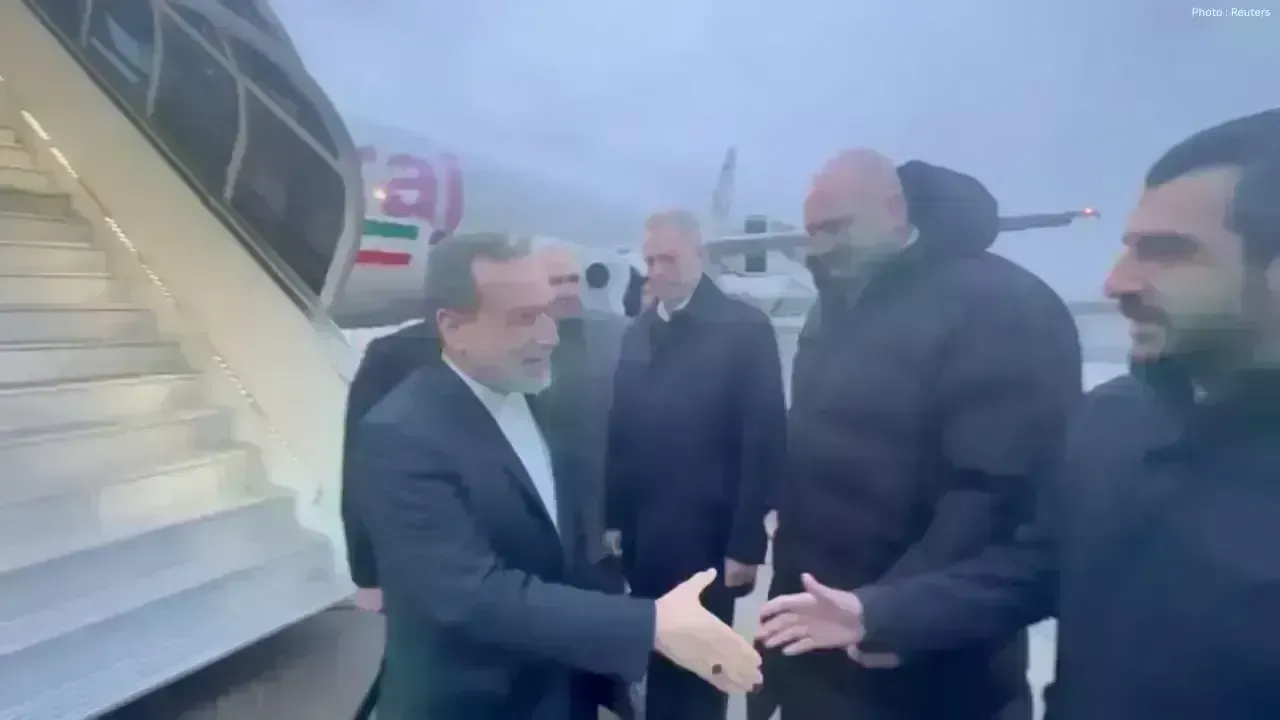
In a pursuit of support, Iran’s Foreign Minister Abbas Araqchi has headed to Russia amid escalating tensions with the United States. His trip coincides with U.S. President Donald Trump's comments suggesting Iran could initiate talks, provided they meet specific conditions. This development indicates ongoing discussions about diplomacy, yet the likelihood of a tangible agreement seems distant.
The prolonged conflict between Iran and the U.S. has raised global alarm, particularly following military actions earlier this year that heightened fears of a broader confrontation in the Middle East, a pivotal area for global oil supplies. Instability here has far-reaching implications for international markets and ignites concerns among nations worldwide.
Iran’s decision to engage with Russia is strategic, aiming to secure a powerful ally. Russia has historically supported Iran in international debates, and this meeting with President Vladimir Putin could fortify Iran’s stance. Prior to his arrival in Russia, Araqchi visited countries like Pakistan and Oman, which have acted as intermediaries attempting to ease tensions between Iran and the U.S.
Trump’s declarations signal an openness to negotiations, albeit under stringent conditions. He emphasizes that preventing Iran from acquiring nuclear weapons is a non-negotiable prerequisite. If Iran genuinely seeks dialogue, it should proactively communicate—though this approach underscores a persistent issue that has derailed past discussions.
Efforts to facilitate direct communication have faltered, with planned talks in Pakistan being scrapped after the U.S. decided not to participate, contributing to an atmosphere of uncertainty as both parties hesitate to engage fully.
The core obstacle is the divergent goals of each side. The United States aims to curtail Iran’s nuclear ambitions and its influence in the region, while Iran demands the lifting of economic sanctions and recognition of its rights, including the right to develop its nuclear energy for peaceful purposes. These competing priorities complicate any path toward progress.
The situation is being observed closely by other nations. Major players such as Russia and China advocate for peaceful resolutions, with regional countries anxious about the potential fallout from ongoing tensions. This highlights the global nature of the conflict, extending beyond merely bilateral issues.
Current events reflect a mix of promising dialogue and limiting actions, such as canceled meetings and strict negotiation terms, indicating a fragile atmosphere of trust. Predicting future developments remains challenging.
As Iran continues its diplomatic outreach while the U.S. maintains its firm stance, the route to resolution appears fraught with obstacles. Meaningful advancements will necessitate both parties transcending confrontational rhetoric to pursue genuine compromises. Until that realization occurs, tension and the specter of conflict loom large.










PM Modi Pays Tribute to Mahatma Gandhi, Urges People to Support Khadi
PM Modi pays tribute to Mahatma Gandhi on Gandhi Jayanti and urges citizens to support Khadi and the

Amazon Seeks to Offload $8 Billion in Nvidia Chips to Investors
Amazon plans to move $8 billion in Nvidia chips to investors, using a new financing model to strengt

Samsung Raises Galaxy S26 Prices as Memory Chip Costs Rise
Samsung raises Galaxy S26 prices in South Korea as rising memory chip costs put pressure on smartpho

Lewis Hamilton Calls Singapore Grand Prix One of F1's Toughest Races
Lewis Hamilton discusses the demanding Singapore Grand Prix and brings Plus44 and Almave to Singapor

Denmark's Pandora Opens World's Largest Jewellery Factory in Vietnam
Pandora opens its largest jewellery factory in Vietnam, expanding global production, strengthening s

Gautam Gambhir Questions Batting-Friendly Pitches After India's Record ODI Chase
Gautam Gambhir questions batting-friendly ODI pitches after India’s record chase, calling for a bett

