
You have not yet added any article to your bookmarks!
Join 10k+ people to get notified about new posts, news and tips.
Do not worry we don't spam!
Post by : Meena Ariff
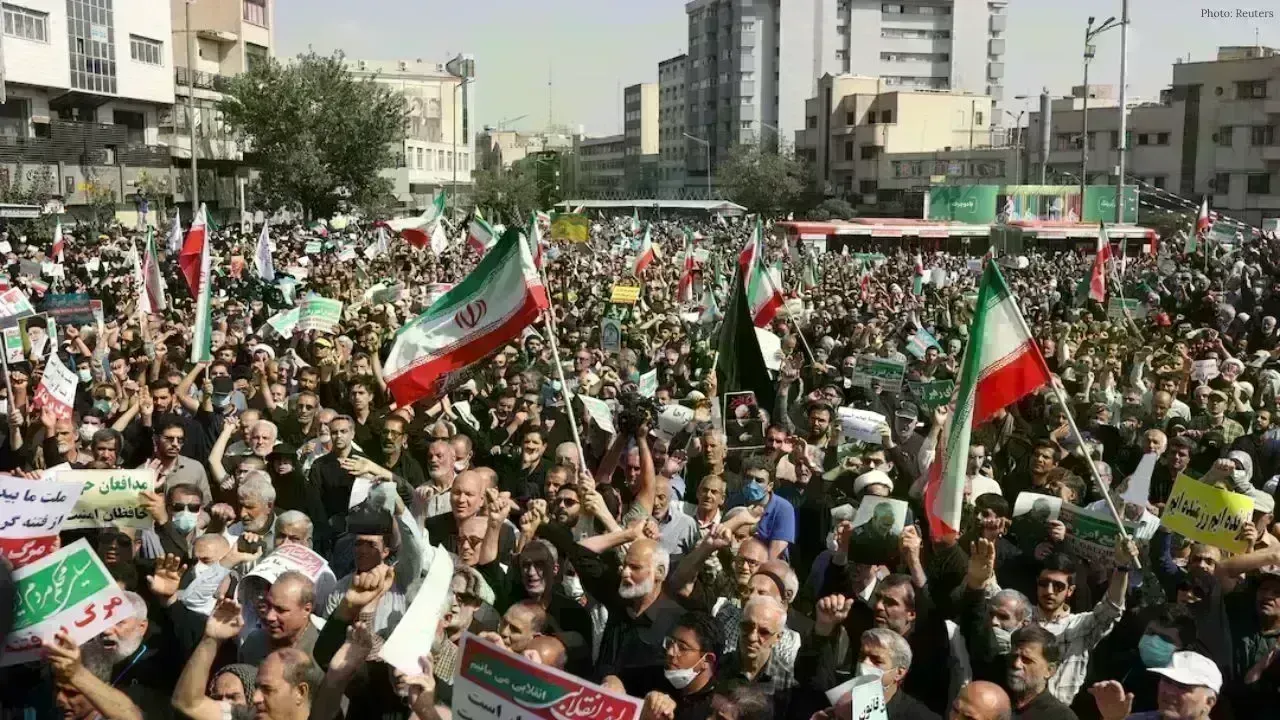
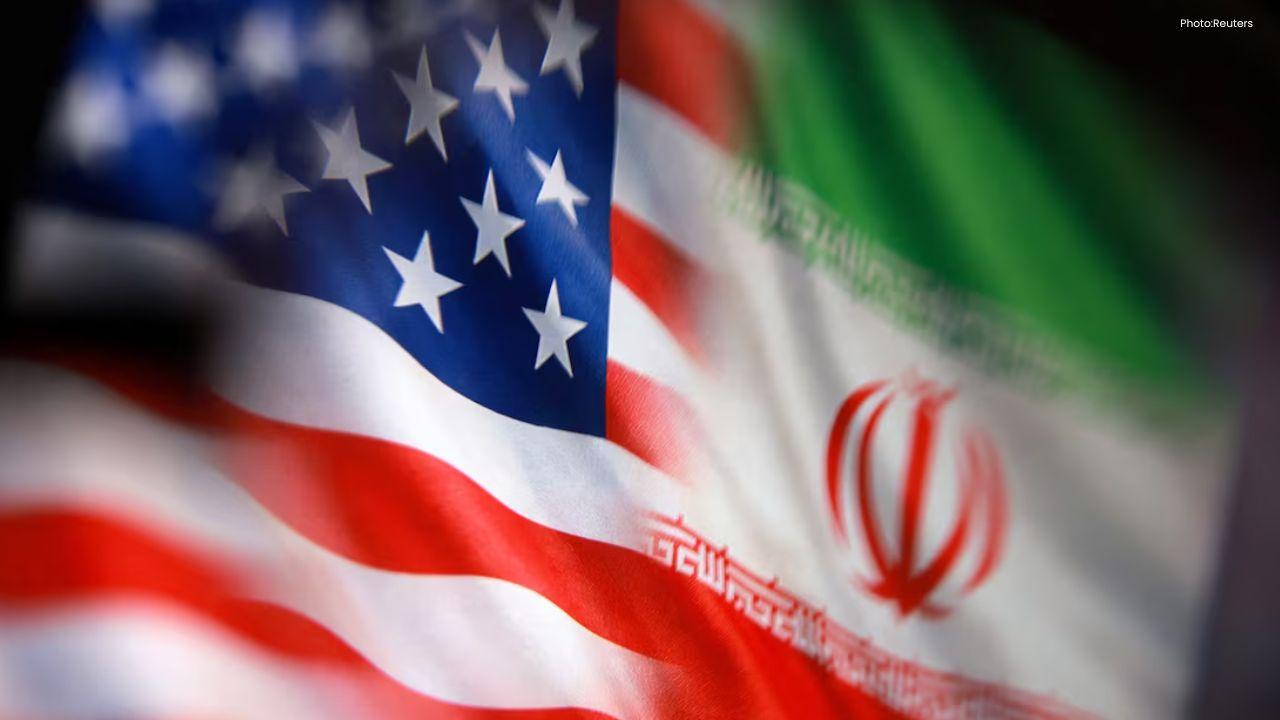
Protests against Iran’s Islamic leadership have sharply intensified in Tehran, as thousands of citizens poured onto the streets expressing deep frustration with a worsening economy, rising living costs, and continued repression by state authorities. The demonstrations, marked by loud anti-regime slogans, reflect growing public anger toward the ruling theocratic system led by Supreme Leader Ayatollah Seyyed Ali Hosseini Khamenei.
As night-time protests gained momentum, authorities responded by cutting off internet access and international telephone services across the country. The government, under President Masoud Pezeshkian, also issued strong warnings, with judicial and security officials threatening harsh action against demonstrators. Despite the clampdown, chants of “freedom, freedom” echoed through several neighborhoods in the capital.
Many protesters appeared to be responding to calls from exiled Crown Prince Reza Pahlavi, who urged Iranians to demonstrate at 8 pm local time over consecutive nights. As the designated hour arrived, multiple districts in Tehran erupted with coordinated chanting. Witnesses reported large crowds gathering, openly defying a system that has long punished dissent.
Among the slogans heard were “Death to the dictator” and “Death to the Islamic Republic.” In a striking shift, some protesters voiced support for Iran’s former monarchy, chanting phrases such as “This is the last battle” and “Pahlavi will return.” Such expressions, once unthinkable and potentially punishable by death, now underline the depth of public anger and desperation driven by economic collapse and social restrictions.
Reza Pahlavi said the government’s immediate response to the protests was to silence the population by severing all communication channels. He accused the authorities of attempting to isolate the country by shutting down the internet, landlines, and possibly interfering with satellite signals. He also appealed to Western leaders to take action, urging them to help restore communication so the Iranian people’s voices could be heard globally.
Demonstrations were not limited to Tehran. Protests spread to other cities and rural areas, with markets and bazaars closing in solidarity. Human rights groups report that the unrest has already turned deadly, with at least 42 people killed and more than 2,270 detained nationwide.
While chants supporting the former shah have grown louder, it remains unclear whether protesters seek a return to monarchy or simply long for life before the 1979 Islamic Revolution. What is clear is that widespread dissatisfaction has reached a boiling point, and many Iranians are openly demanding fundamental change.
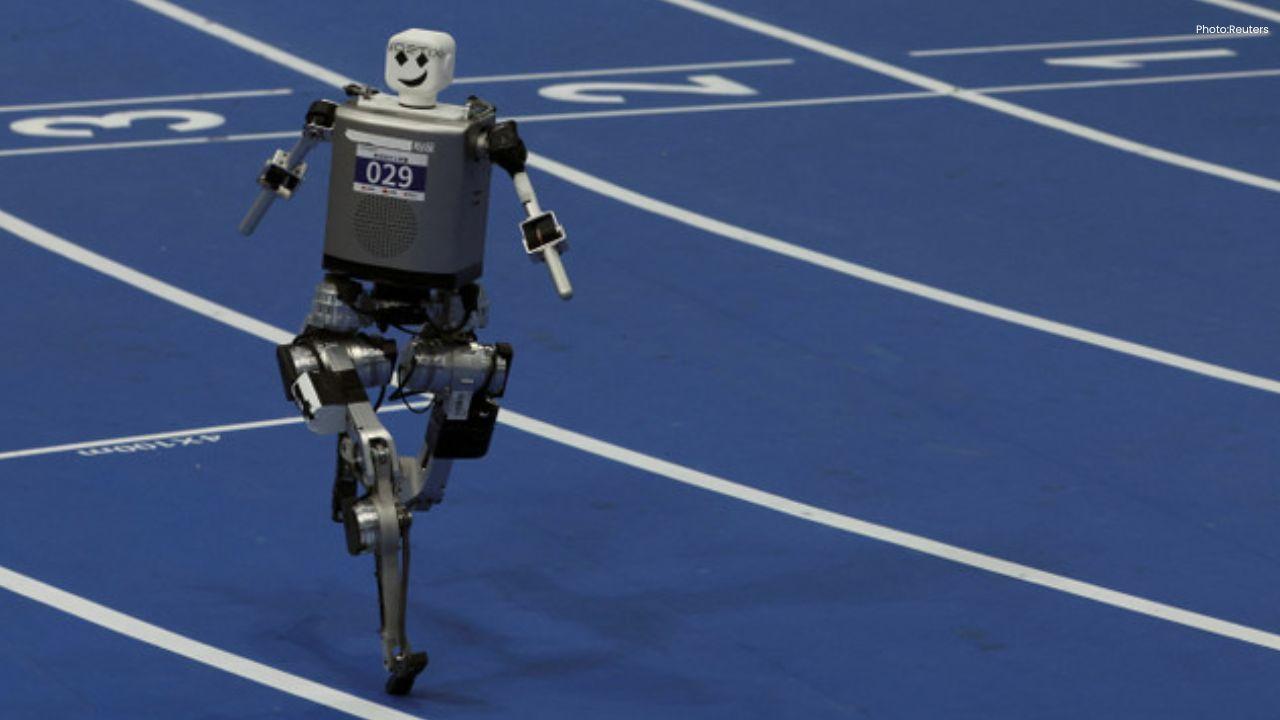




China’s Tiangong Sets New 400m Record at Robot Olympics
China’s Tiangong robot sets a new 400m record at the Robot Olympics, beating a South African robot i

George Russell Wins Dutch GP Sprint, Boosts Mercedes Morale
George Russell wins the Dutch GP Sprint from pole as Mercedes teammate Kimi Antonelli extends his F1

Australia 50/3 After Bangladesh Bowled Out for 64 in Second Test
Australia reached 50/3 after Bangladesh were bowled out for 64 in the second Test, with Mitchell Sta

Jordan Burroughs Returns to Wrestling with 2028 Olympic Dream
Jordan Burroughs returns to wrestling with Real American Freestyle as the Olympic champion eyes a po

Lamborghini Catches Fire on Singapore's ECP, Causing Heavy Traffic
A Lamborghini caught fire on Singapore's ECP, causing heavy traffic and bus delays. No injuries were

Bangkok Airport Duty-Free Area Flooded by Pipe Burst
A burst water pipe flooded the duty-free shopping area at Bangkok's Suvarnabhumi Airport on July 16,

