You have not yet added any article to your bookmarks!
Join 10k+ people to get notified about new posts, news and tips.
Do not worry we don't spam!
Post by : Saif Rahman
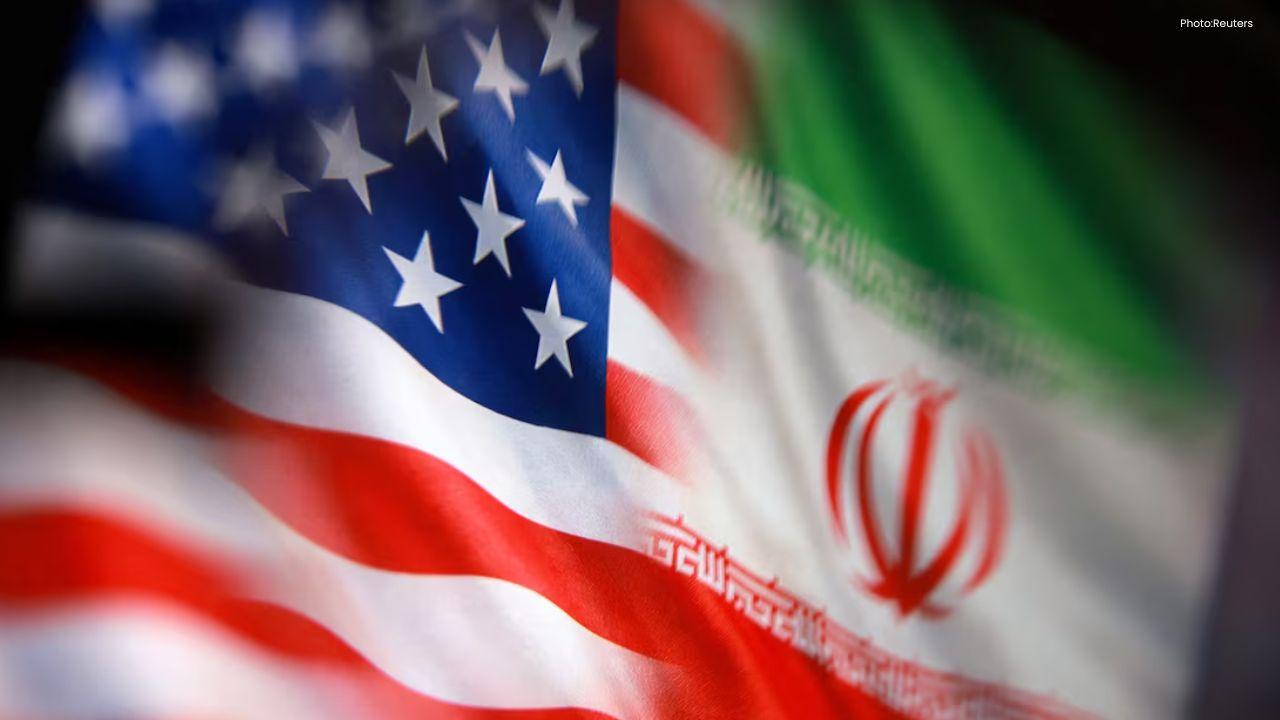
Escalating tensions are palpable in the Middle East as Iran warns it will retaliate should the United States launch strikes on its territory. In a preemptive move, the U.S. has begun withdrawing personnel from strategic bases in the region, prompted by the most significant unrest Iran has faced in decades.
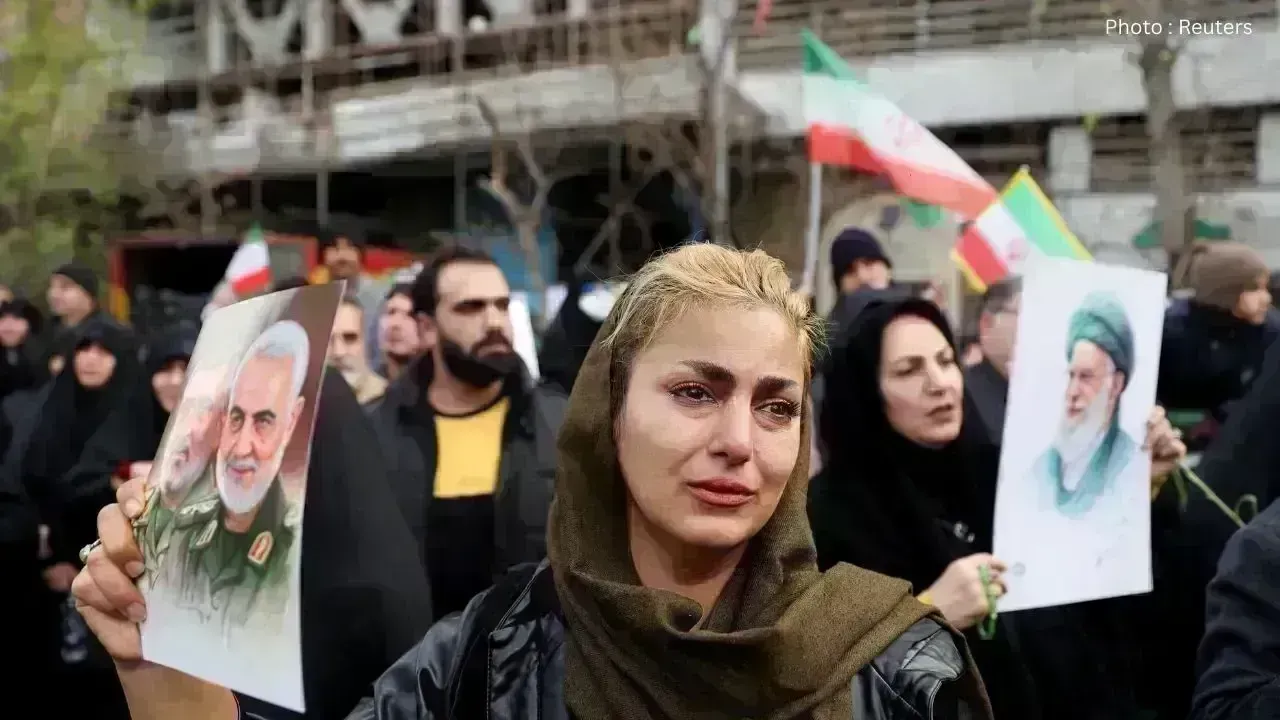
The Iranian leadership struggles to quell widespread protests fueled by growing economic turmoil and severe crackdowns by security forces. Thousands have reportedly died in demonstrations—the deadliest since the 1979 Islamic Revolution. Rights organizations cite over 2,600 fatalities, while Iranian officials put the figure at around 2,000.
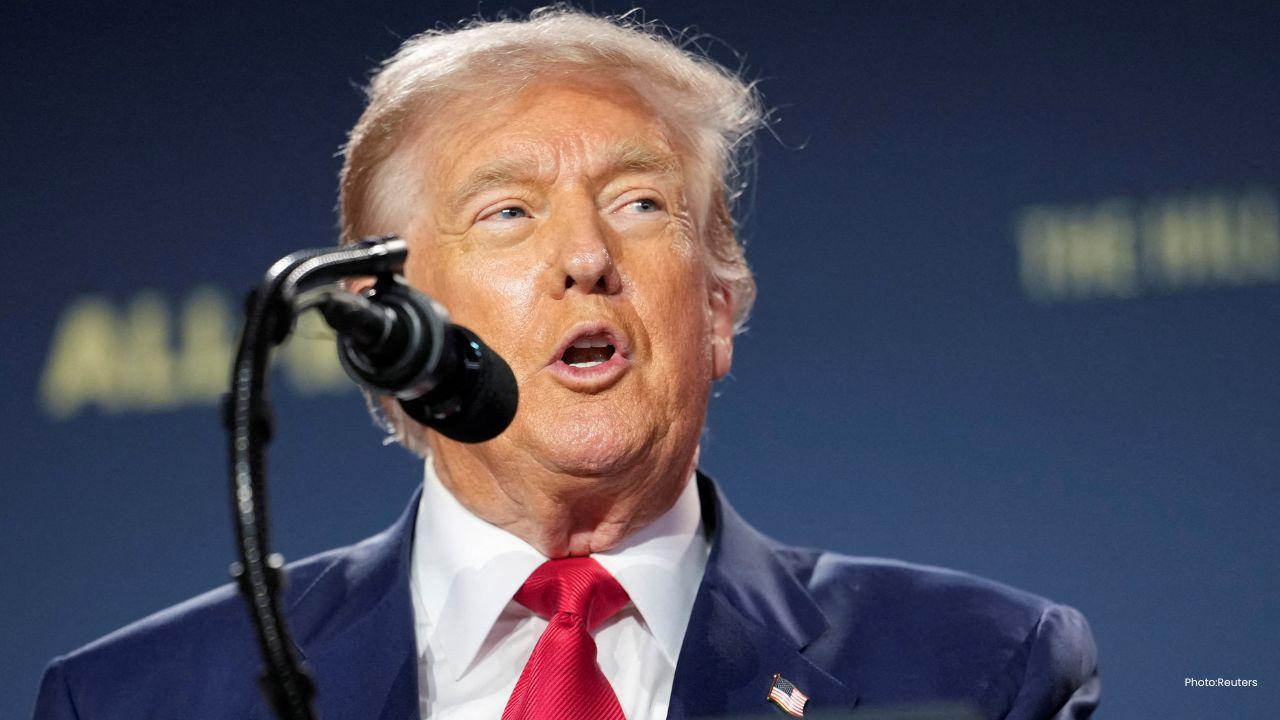
The rising unrest has led to U.S. preparations for possible intervention. A senior Western military official has informed Reuters that indications suggest a U.S. strike could be forthcoming, although details on timing and scale remain uncertain. President Donald Trump has expressed a cautious stance, noting a perceived decrease in killings and stating that the U.S. is monitoring the situation closely.
In an effort to de-escalate tensions, Iranian Foreign Minister Abbas Araqchi remarked that “hanging is out of the question” concerning anti-government demonstrators. Nevertheless, Iran has issued warnings to neighboring countries, stating that U.S. bases in the area would be targeted should Washington decide to intervene. This caution extends to allies like Saudi Arabia, the UAE, and Turkey.
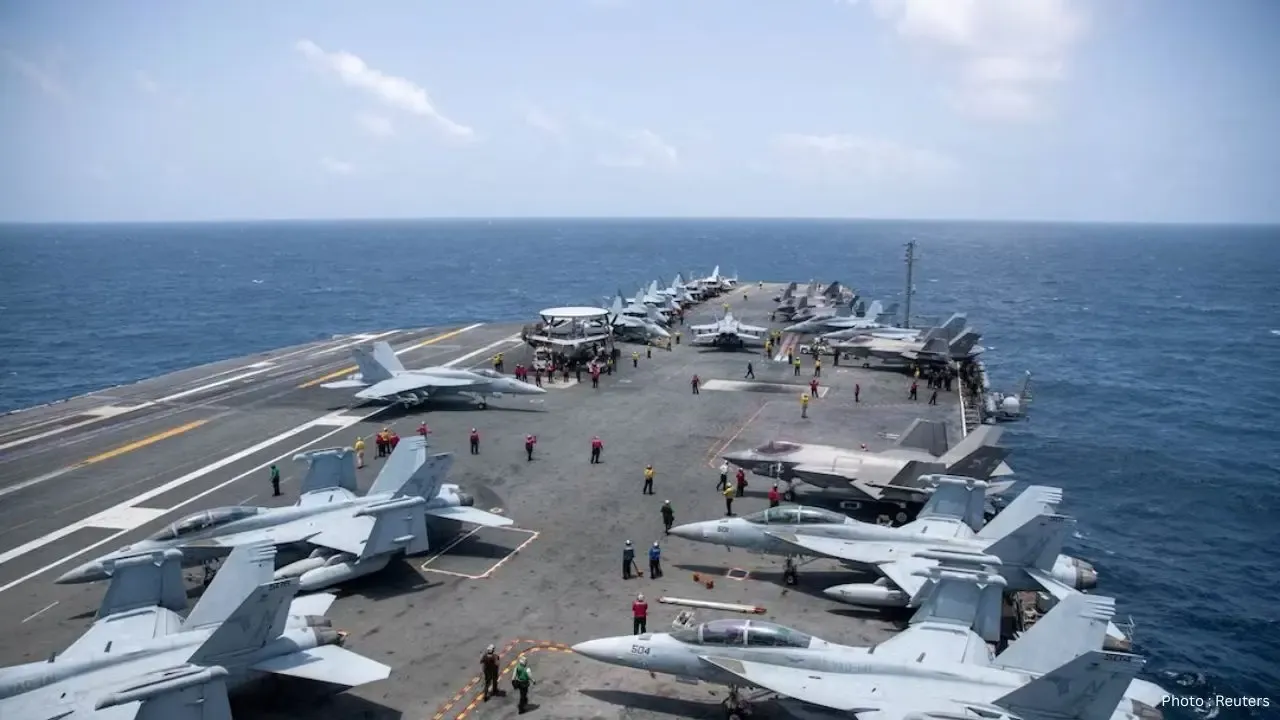
The U.S. has decommissioned some personnel at its Al Udeid air base in Qatar, the largest American installation in the region, and has also adjusted troop levels at British bases. These actions are framed as necessary precautions amidst elevated tensions.
The protests, ignited by discontent over the Iranian currency’s rapid plummet and dire economic circumstances, have morphed into violent confrontations as security forces clamp down on demonstrators. The Iranian government has attributed the unrest to foreign influence, particularly from the U.S. and Israel, with French Foreign Minister Jean-Noel Barrot labeling it “the most violent repression in Iran’s contemporary history.”
Despite the demonstrations and threats from the U.S., Iran’s internal security holds considerable control. To showcase public support, the government has organized large funeral processions and rallies endorsing Supreme Leader Ayatollah Ali Khamenei. Officials aim to convey stability while balancing domestic challenges and international scrutiny.
In the backdrop, the United Nations Security Council is preparing to convene to deliberate on the crisis affecting Iran. Concurrently, the U.S. is keeping a close eye on developments. This combination of domestic upheaval, regional warning signals, and U.S. military readiness generates a high potential for escalation.
Iran’s citizens grapple with significant uncertainty, as internet blackouts and an increased security presence restrict access to information. The subsequent actions of Washington and Tehran will ultimately shape whether tensions escalate further or inch towards a delicate calm.




George Russell Wins Dutch GP Sprint, Boosts Mercedes Morale
George Russell wins the Dutch GP Sprint from pole as Mercedes teammate Kimi Antonelli extends his F1

Australia 50/3 After Bangladesh Bowled Out for 64 in Second Test
Australia reached 50/3 after Bangladesh were bowled out for 64 in the second Test, with Mitchell Sta

Jordan Burroughs Returns to Wrestling with 2028 Olympic Dream
Jordan Burroughs returns to wrestling with Real American Freestyle as the Olympic champion eyes a po

Lamborghini Catches Fire on Singapore's ECP, Causing Heavy Traffic
A Lamborghini caught fire on Singapore's ECP, causing heavy traffic and bus delays. No injuries were

Bangkok Airport Duty-Free Area Flooded by Pipe Burst
A burst water pipe flooded the duty-free shopping area at Bangkok's Suvarnabhumi Airport on July 16,
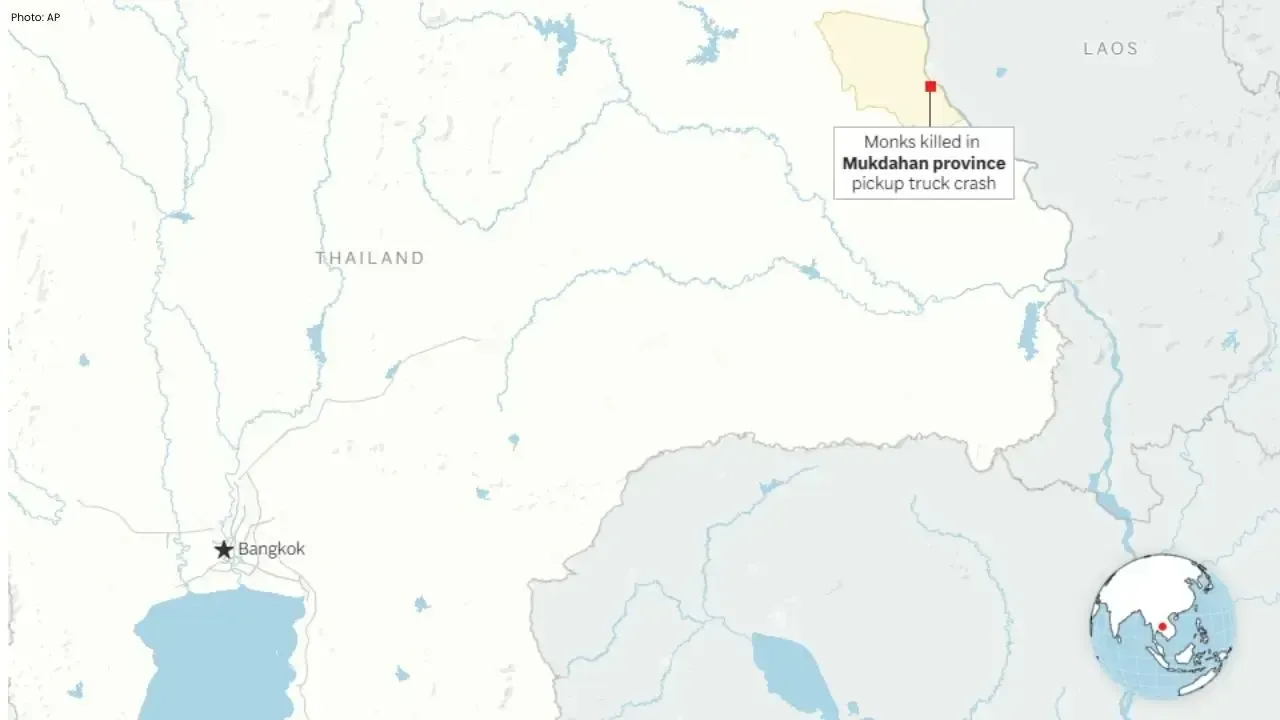
Nine Monks Killed in Thailand Pickup Truck Tragedy
An 11-year-old boy driving a pickup truck crashed into monks during a pilgrimage in northeastern Tha