
You have not yet added any article to your bookmarks!
Join 10k+ people to get notified about new posts, news and tips.
Do not worry we don't spam!
Post by : Saif Rahman
The ongoing conflict involving Iran is triggering substantial financial challenges for businesses worldwide. Recent estimates indicate that global companies have incurred losses exceeding $25 billion, fueled by soaring oil prices, disrupted shipping lanes, and volatile markets.
Industries are under increasing strain as a result of the turmoil. Airports, shipping lines, manufacturers, and retail operations are among those most heavily impacted. Companies are facing heightened expenses in fuel, transportation, insurance, and supply chain logistics as tensions escalate in the Middle East.
One of the prime concerns remains the effect on global oil supplies. The Middle East holds significant importance as a major energy-producing area. Any military action in this region tends to have immediate repercussions on international oil markets, given the heavy dependency of numerous countries on exports from the Gulf.
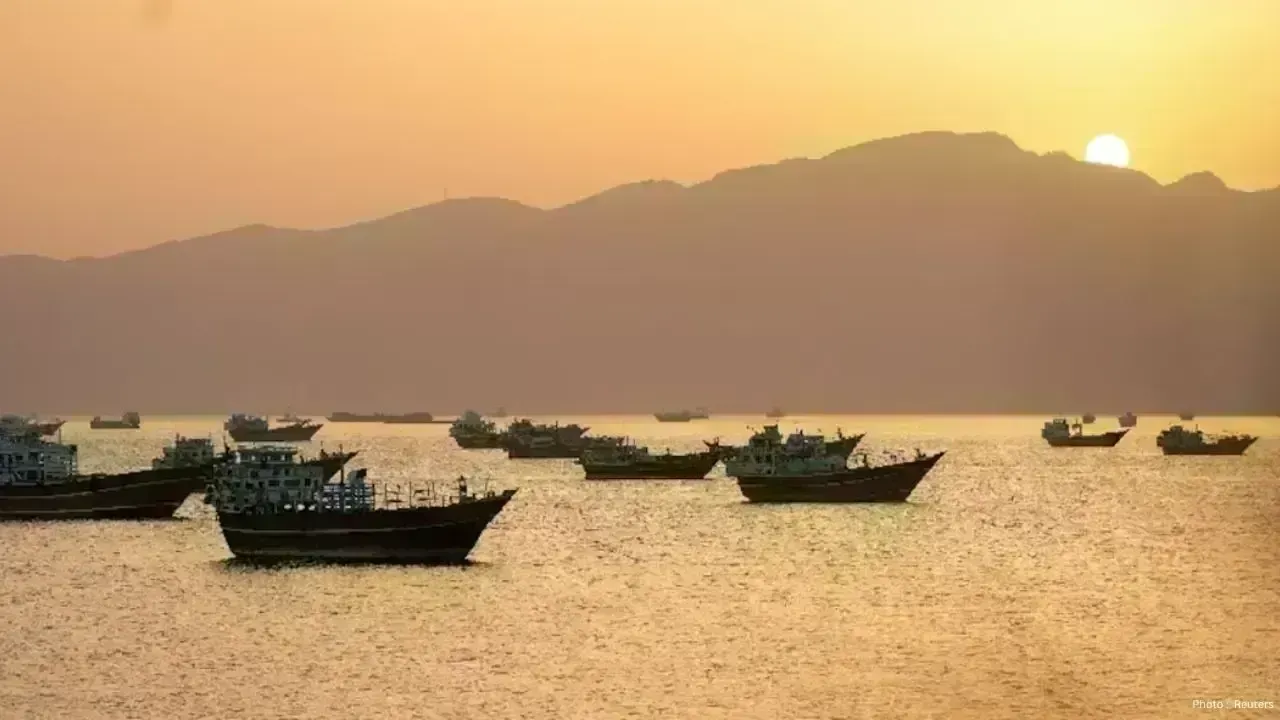
The Strait of Hormuz has become a focal point during the current crisis. This critical waterway is responsible for a significant portion of daily global oil shipments. Increased threats to security and military maneuvers in proximity to this area have heightened apprehensions regarding potential supply disruptions, which in turn has driven oil prices up.
As crude oil prices escalate, businesses are compelled to absorb higher costs related to transport and energy. Airlines are facing surging jet fuel expenses, while shipping companies grapple with inflated insurance rates and lengthened delivery routes. Several international firms have cautioned investors about anticipated financial setbacks due to the ongoing crisis.
Manufacturers are also experiencing hardship, especially as many rely on imported fuel and raw materials tied to Gulf markets. Shipment delays and escalating costs are now disrupting production schedules across various nations.
The financial strain isn't confined to large enterprises; everyday individuals are feeling the consequences in the form of rising fuel prices, costly transport, and inflated prices for basic goods. Concerns regarding inflation are mounting in numerous countries as businesses transfer added expenses to consumers.
Global stock markets have reacted with uncertainty to the circumstances. Investors are wary that an extended conflict may slow economic advancements and further destabilize international trade.
Experts caution that the economic fallout could deepen if tensions persist over an extended timeframe. Companies might find themselves needing to curtail spending, postpone growth initiatives, or elevate prices further to contend with soaring costs.
This situation underscores the interconnectedness of the global economy with developments in the Middle East. A crisis in one region can swiftly influence businesses, markets, and consumers around the globe.
In light of these events, global leaders are advocating for diplomacy and peaceful discussions to avert further turmoil. Businesses and investors are closely monitoring the situation, hopeful for a return to stability before the economic repercussions expand.
#Global News #Global Updates #Middle East #Middle East Crisis










PM Modi Pays Tribute to Mahatma Gandhi, Urges People to Support Khadi
PM Modi pays tribute to Mahatma Gandhi on Gandhi Jayanti and urges citizens to support Khadi and the

Amazon Seeks to Offload $8 Billion in Nvidia Chips to Investors
Amazon plans to move $8 billion in Nvidia chips to investors, using a new financing model to strengt

Samsung Raises Galaxy S26 Prices as Memory Chip Costs Rise
Samsung raises Galaxy S26 prices in South Korea as rising memory chip costs put pressure on smartpho

Lewis Hamilton Calls Singapore Grand Prix One of F1's Toughest Races
Lewis Hamilton discusses the demanding Singapore Grand Prix and brings Plus44 and Almave to Singapor

Denmark's Pandora Opens World's Largest Jewellery Factory in Vietnam
Pandora opens its largest jewellery factory in Vietnam, expanding global production, strengthening s

Gautam Gambhir Questions Batting-Friendly Pitches After India's Record ODI Chase
Gautam Gambhir questions batting-friendly ODI pitches after India’s record chase, calling for a bett

