You have not yet added any article to your bookmarks!
Join 10k+ people to get notified about new posts, news and tips.
Do not worry we don't spam!
Post by : Saif Rahman
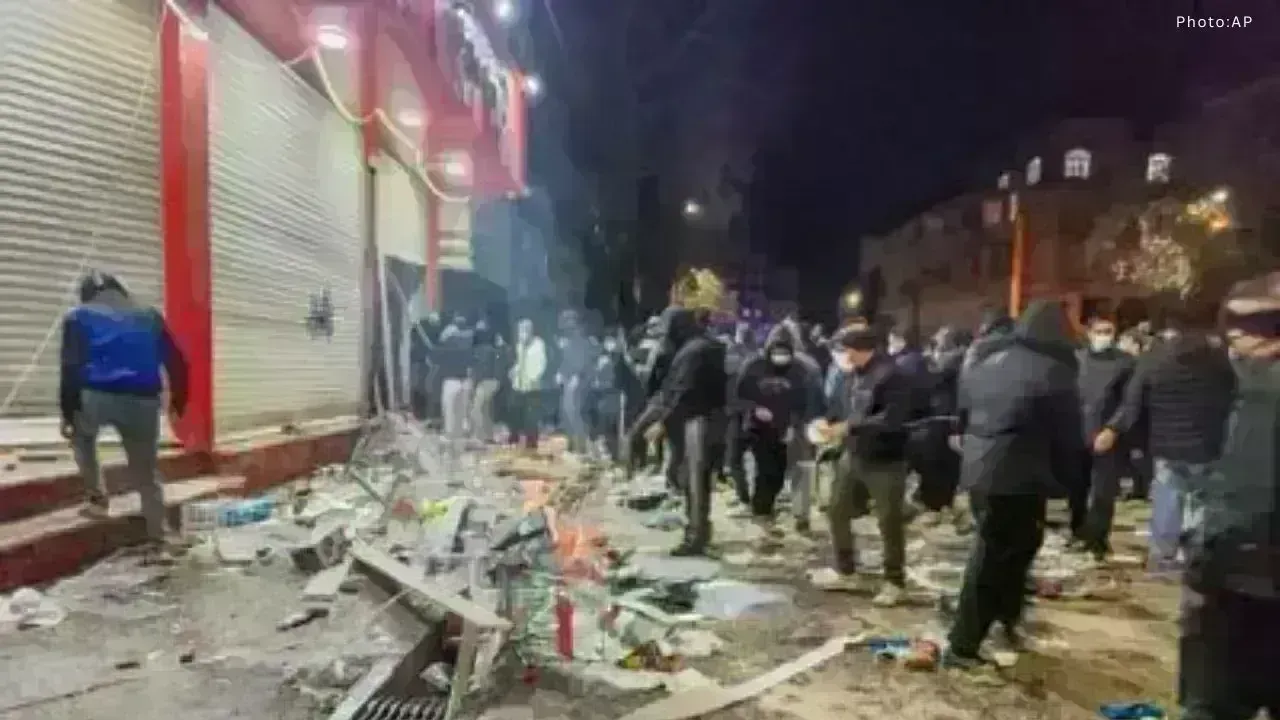
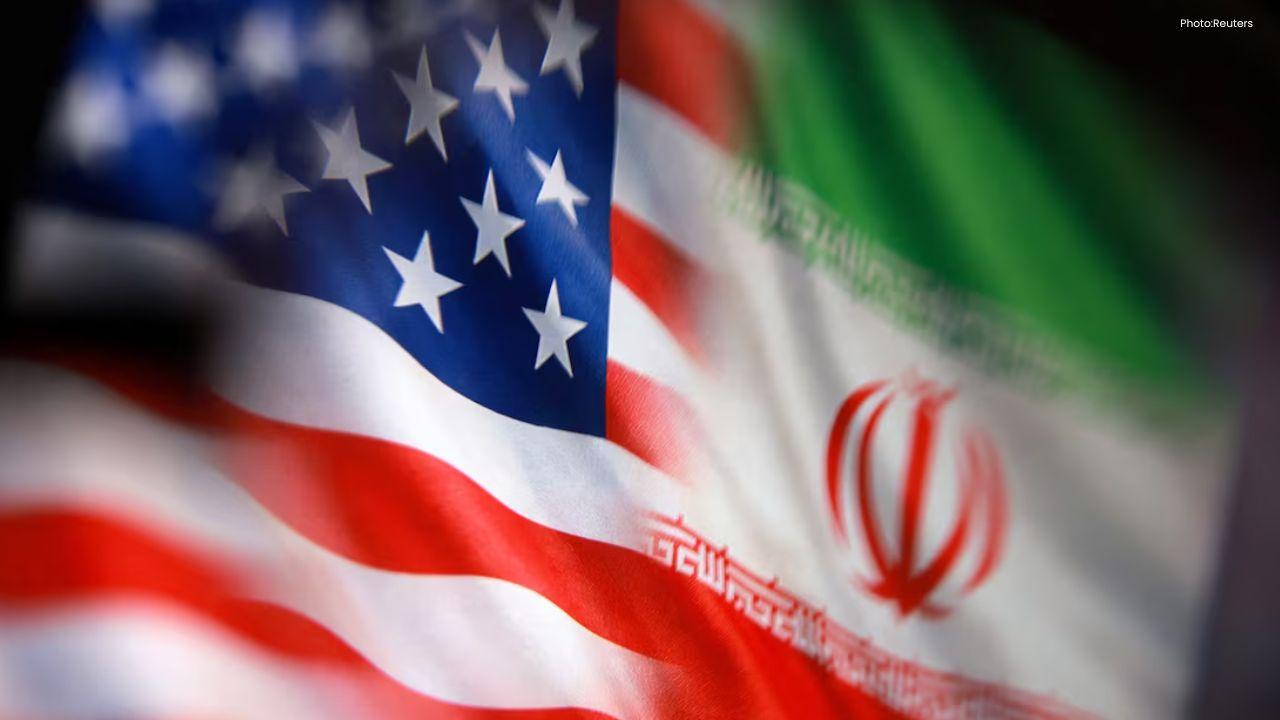
Iran is experiencing one of its most intense periods of turmoil in years, as widespread protests persist despite an enforced internet blackout and stern warnings from the government. Initially sparked by economic grievances, these demonstrations have morphed into widespread discontent against the ruling regime.
Video reports from activists depict significant gatherings across Tehran and other cities, where large crowds are seen chanting, setting fires, and obstructing major thoroughfares. Even with the government's efforts to limit communication, frustration among the populace remains palpable as they continue to rally.
Human rights organizations report at least 65 fatalities since the emergence of protests in late December, coupled with over 2,300 arrests. These figures have triggered concerns of a potential drastic crackdown reminiscent of earlier protest movements in the country.
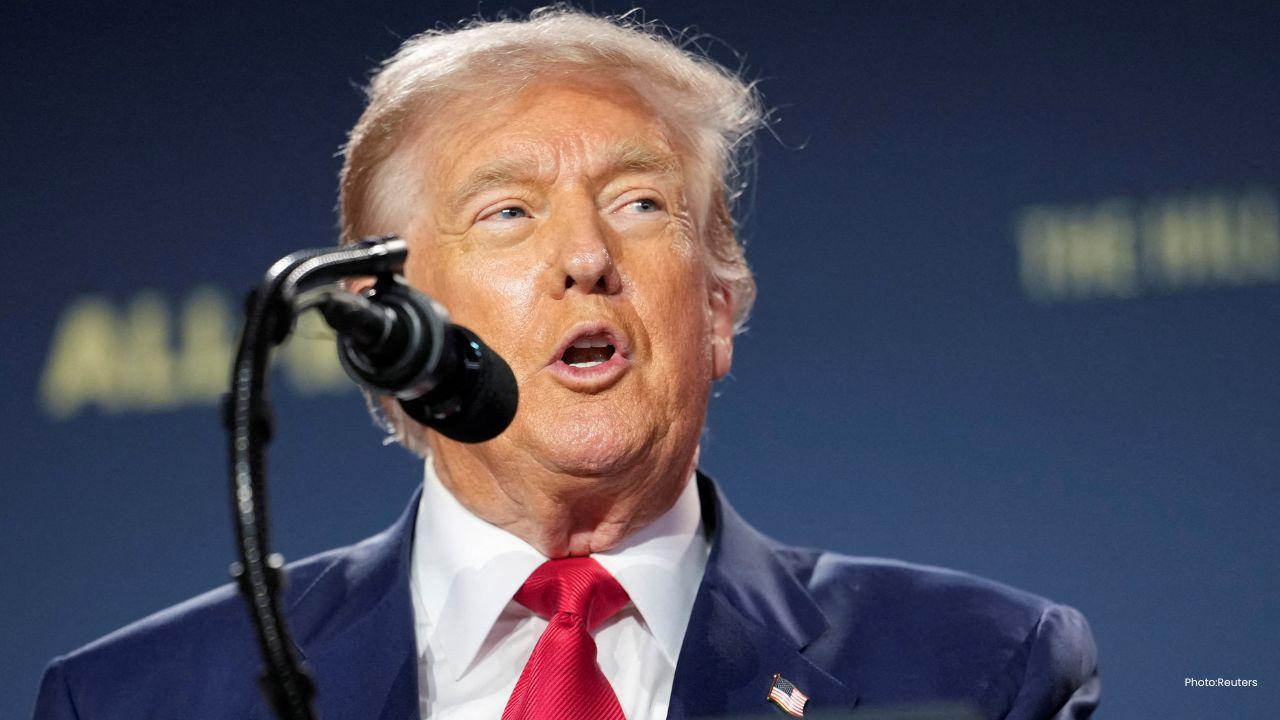
In a televised address, Supreme Leader Ayatollah Ali Khamenei criticized the demonstrators for supposedly vandalizing their neighborhoods to please U.S. President Donald Trump, labeling him as a figure with “blood on his hands.” Crowds of Khamenei supporters were heard chanting against the United States during his speech.
In a concerning development, state media described the protesters as “terrorists,” a term historically used to justify aggressive actions by security forces. Gholamhossein Mohseni-Ejei, the country’s judiciary head, also warned of strict and unyielding consequences for anyone involved.
Despite official cautions advising families to keep young individuals indoors, protests surged on, with videos showcasing burning cars, blocked streets, and chants calling for the downfall of Khamenei and the regime. Reports indicate that thousands converged in the northern regions of Tehran late into the night.
Protest activity has also spread to cities like Zahedan and Hamedan, while state television acknowledged overnight violence resulting in multiple casualties, including security personnel, though comprehensive national statistics were not disclosed.
A significant catalyst for the protests arose from calls by exiled Crown Prince Reza Pahlavi, son of Iran’s last monarch, who encouraged public gatherings at 8 p.m. on consecutive nights, a plea that received a booming response. Notably, for the first time in decades, chants praising the previous monarchy surfaced, exemplifying a deep-rooted desire for change among segments of the population.
Some protestors have even voiced support for the return of the shah, a sentiment that once warranted severe punishment. Analysts interpret this as not just a call for Pahlavi’s return but also a profound wish to escape economic strife.
Pahlavi subsequently reached out to President Trump, cautioning that the internet blackout could enable security forces to act without fear of international scrutiny. In return, Trump reiterated warnings to Iran's leaders that the U.S. would take formidable action should any protestor lose their life, clarifying that ground troops would not be involved but the response would still be significant.
Internationally, reactions have intensified, with leaders from Germany, the UK, and France jointly condemning the violence against demonstrators, urging Iran to respect the right to peaceful assembly. Nobel Laureate Shirin Ebadi also admonished the Iranian government, asserting that a regime that turns on its citizens holds no moral legitimacy.
The protests in Iran have transcended mere economic discontent, now challenging the very foundations of the political structure. As communication remains stifled, threats amplify, and casualty figures rise, the nation stands at a precarious juncture. The future of these protests—whether they will continue or be forcibly suppressed—remains uncertain, yet the underlying anger is profound and hard to suppress.




China’s Tiangong Sets New 400m Record at Robot Olympics
China’s Tiangong robot sets a new 400m record at the Robot Olympics, beating a South African robot i

George Russell Wins Dutch GP Sprint, Boosts Mercedes Morale
George Russell wins the Dutch GP Sprint from pole as Mercedes teammate Kimi Antonelli extends his F1

Australia 50/3 After Bangladesh Bowled Out for 64 in Second Test
Australia reached 50/3 after Bangladesh were bowled out for 64 in the second Test, with Mitchell Sta

Jordan Burroughs Returns to Wrestling with 2028 Olympic Dream
Jordan Burroughs returns to wrestling with Real American Freestyle as the Olympic champion eyes a po

Lamborghini Catches Fire on Singapore's ECP, Causing Heavy Traffic
A Lamborghini caught fire on Singapore's ECP, causing heavy traffic and bus delays. No injuries were

Bangkok Airport Duty-Free Area Flooded by Pipe Burst
A burst water pipe flooded the duty-free shopping area at Bangkok's Suvarnabhumi Airport on July 16,